

The Tigers gained 418 yards and won at UNLV, but 3-for-11 on third down and one costly turnover show Kevin Decker’s offense is not close to finished.
The Decker Meter: Memphis Won, But Kevin Decker Has a Problem
Memphis beat UNLV 27-21, scored the final 13 points, and walked out of Allegiant Stadium with the kind of road win that can change a season. Kevin Decker should enjoy it. Then he should turn on the film and get angry.
The Tigers gained 418 yards. They averaged 7.0 yards per play. They ran for 195 yards at 5.7 per carry. Marcus Stokes threw for 223 yards and two touchdowns, while Jaylin Carter erupted for 97 rushing yards and a score. Memphis showed balance, speed, and the ability to create big plays without needing everything to look perfect. But “not perfect” is being generous.
Memphis went 3-for-11 on third down. It lost the game’s only turnover. It was outgained 460-418. It ran just 60 offensive plays while UNLV ran 79. The Rebels held the ball for more than 42 minutes, meaning Memphis had possession for less than 18 minutes in a game it won by six points. That is not an offense controlling a game. That is an offense surviving one.
Big Plays Saved Memphis
The best part of Decker’s debut came when Memphis stopped trying to be cautious and started looking like the offense it is supposed to become.
UNLV took a 21-14 lead in the third quarter. Memphis had already wasted opportunities early, lost a fumble, and allowed UNLV to dictate the game’s pace. The Tigers could have folded.
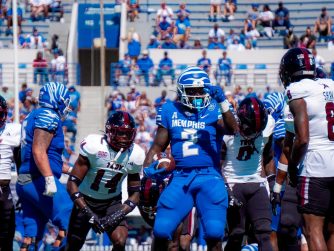
Instead, Stokes found Stonka Burnside for a 48-yard touchdown. Carter later ripped off a 36-yard touchdown run. Those two plays changed everything. Memphis did not need a long, methodical drive. It needed an answer, and Decker’s offense delivered one.
That is the promise of this scheme. Spread a defense out. Force defenders to choose between the quarterback, the running back, and receivers in space. Then attack the wrong choice. Stokes made enough good decisions to keep UNLV uncomfortable. Carter punished lighter boxes. Memphis found just enough room to flip the game with explosive plays. The Tigers were dangerous. That part is undeniable.
Third Down Is A Red Flag
But Memphis cannot make a habit of needing one 48-yard pass or a 36-yard run to rescue itself. The 3-for-11 third-down mark is alarming because it tells the story of an offense that could move the ball but could not stay on the field. Memphis averaged 7.0 yards per play and still managed only 60 snaps. That should not happen.
When an offense is successful on early downs, third down becomes easier. When it fails to convert third down, the defense gets trapped on the field. That is exactly what happened. UNLV possessed the football for 42:18, which is the kind of imbalance that will get Memphis beaten against better teams.
The fumble did not help. Neither did the inability to create a consistent rhythm early. Memphis scored only seven first-half points and trailed 14-7 at halftime despite having enough offensive talent to make UNLV sweat.
Still, the Tigers deserve credit for finishing drives when they reached scoring territory. Philippe Laforge hit fourth-quarter field goals from 32 and 36 yards, helping Memphis capitalize on its late opportunities and close the game.
Decker Meter Grade: B-.
The offense is explosive. Stokes looks comfortable enough to run it. Carter gives Memphis a legitimate run-game threat.
But the Tigers have a third-down problem, a ball-security problem and a possession problem until they prove otherwise. Memphis won the opener. Now Decker has to make sure the next win does not require another late rescue.