
Week Zero did not crown a champion, eliminate a contender, or settle a conference race.
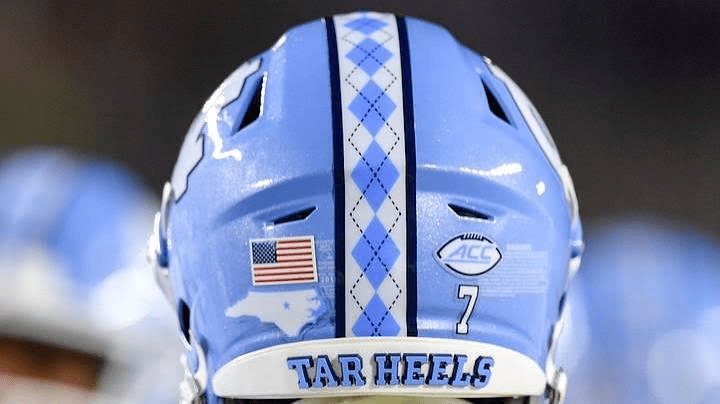
The Sunday Reset: Week Zero Did Not Settle College Football. It Drew the First Pressure Map.
It did something more useful.
It showed which programs arrived with an identity, which ones arrived with a problem, and which ones discovered that the offseason storyline does not survive four quarters of football.
That is the value of Week Zero. The schedule is small enough that every result gets examined. There is nowhere to hide a bad third quarter, a broken protection plan, a penalty problem, or an offense that cannot produce when the opening script ends.
The first Saturday of 2026 gave college football a new pressure map.
Virginia made the loudest statement. Memphis created the best early Group of Six receipt. North Dakota State announced that its move into FBS football will not be timid. North Carolina found a defensive identity in Dublin. And a handful of teams—NC State, TCU, UNLV, Stanford, and even USC—left the field with questions that will follow them into September.
Week Zero did not decide the season. It decided who begins the season explaining themselves.
Virginia Did More Than Win
Virginia did not merely beat NC State 34–8. The Cavaliers took the game away. They outgained NC State 413–168. They rushed for 258 yards. They controlled possession for 38 minutes and four seconds. They scored the first 24 points and made an ACC opponent look like it had arrived without an answer for physical football.
Beau Pribula gave Virginia the kind of quarterback performance that changes how a team is discussed. He threw for 155 yards and two touchdowns, then added 110 rushing yards. The numbers matter, but the larger point is the way Virginia played. It had direction. It had control. It had a plan that worked long after the opening possession.
The defining possession was not a highlight-reel touchdown. It was the long drive: 23 plays, 75 yards, more than 12 minutes off the clock. That is a statement drive because it tells an opponent, a conference, and your own sideline that the game can be played on your terms. Virginia begins September with an identity. NC State begins September with a receipt.
Memphis Owns the First G6 Moment
Memphis went to Las Vegas, trailed UNLV 21–14 in the second half, and left with a 27–21 win. This is not just a road victory. That is an early Group of Six résumé result.
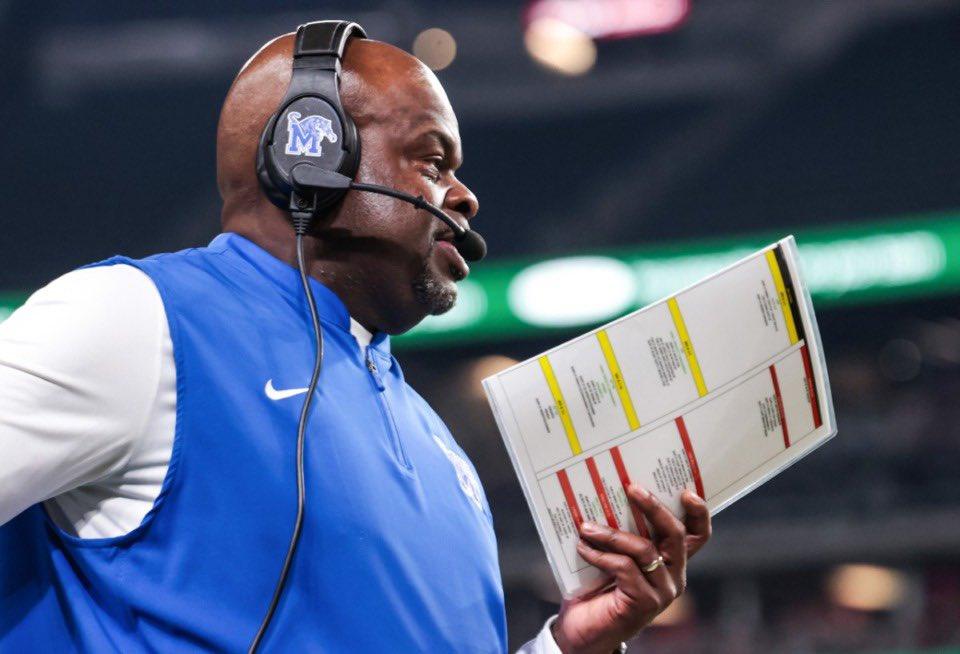
UNLV finished with more total yards, more first downs, and more time of possession. Memphis still won because the Tigers finished. They ran for 195 yards, scored the game’s final 13 points, and found a way to own the moments that decide a close road game.
This is where early-season conversation can get lazy. People will see the score and say Memphis got a nice win. The more useful reading is that Memphis showed a travel-ready, fourth-quarter identity before most Group of Six programs played a snap.
There will be larger games. There will be louder games. But when playoff access, conference pride, and national attention are all limited, a road win over a respected opponent becomes a real receipt. Memphis has one.
North Dakota State Was Ready for the Step
North Dakota State’s first FBS game ended with a 33–7 win over Jacksonville State. The Bison did not look like a program overwhelmed by the label change. They looked like a program that had spent years building the habits needed for a bigger stage.
North Dakota State gained 373 yards, ran with control, and held Jacksonville State to 170 total yards. The Gamecocks had only 85 rushing yards and 85 passing yards. After the first quarter, Jacksonville State did not score again. The broader lesson is about infrastructure.
Programs do not become ready for a new level because they change a conference line in a media guide. They become ready because they have a repeatable standard: depth, line play, physicality, coaching continuity, and players who know what a close game is supposed to feel like.
North Dakota State brought that standard into Week Zero. Jacksonville State left with a reminder that the line of scrimmage is still the sport’s most honest test.
North Carolina Found a Way to Win
North Carolina’s 15–10 win over TCU in Dublin was not a fireworks show. It was a survival test.
The Tar Heels got 232 passing yards from Billy Edwards Jr., produced 322 total yards, and played the kind of defense that can stabilize a program during an uneasy start. North Carolina finished with three sacks and six tackles for loss. After TCU scored 10 early points, the Tar Heels did not allow another one. That is the story.
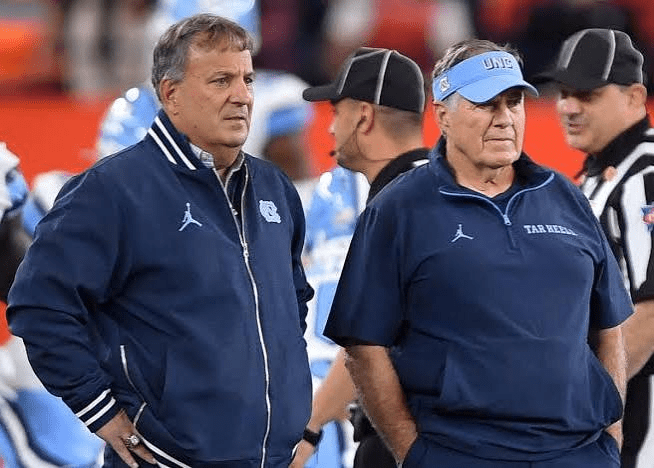
North Carolina did not solve every offensive question. A 15-point game is not a final answer. But teams with uncertain narratives need a reliable way to win before they need a perfect one. The Tar Heels showed they can lean on defense, get enough quarterback play, and survive a strange, wet international opener.
That is not a championship claim. It is a foundation receipt.
The Winners Who Still Have Work
USC beat San José State 42–26. Stanford beat Hawai‘i 37–27. Both teams won. Both teams also gave the tape something to say.
USC led 35–3 entering the fourth quarter, then allowed San José State to score 23 points in the final period. Jayden Maiava was excellent—286 passing yards and two passing touchdowns—and the Trojans created 505 yards of offense. But a ranked team cannot treat a fourth-quarter defensive fadeout as irrelevant simply because the margin stayed comfortable.
Stanford had a different version of the same problem. The Cardinal led 23–7, then allowed Hawai‘i to score 20 unanswered points and take a 27–23 lead late in the fourth quarter. Stanford escaped because Micah Ford scored the go-ahead touchdown and Tevarua Tafiti returned a strip-sack for a touchdown.
That finish counts. So does the fact that Hawai‘i outgained Stanford 468–325. The early-season lesson is simple: a win can settle the record without settling the concern.
The First Bottom of the Barrel Movement
Week Zero should not create reckless overreaction. One game does not erase a preseason board. One loss to a superior opponent does not automatically place a program in the Barrel.
But the first receipts matter. New Mexico State lost 34–17 at Florida State. The Aggies did not win, but they converted 10 of 17 third downs and kept the game competitive into the third quarter. Their rushing output and protection remain concerns, but the result did not deepen the case as much as the score might suggest.
Hawai‘i lost at Stanford but outgained the Cardinal and created a fourth-quarter lead. That is not a Barrel performance. It is evidence of an Escape Route.
Sacramento State lost 28–17 at Eastern Michigan in its FBS debut. The Hornets ran for only 49 yards, committed 10 penalties, and threw an interception. Those are real concerns. But a competitive score in a first FBS test means the program should be monitored, not buried.
The teams with the strongest new warning signs are NC State, TCU, UNLV, Stanford, and Jacksonville State. The next Bottom of the Barrel board will decide whether those are one-week problems or the start of a pattern.