
Oklahoma didn’t just win a championship in Omaha; the Sooners crashed the party and rewrote the bracket. They came into June as an SEC middle‑of‑the‑pack club, not a presumed national power, more “dangerous regional team” than clear title threat.
Oklahoma Just Proved the SEC Runs College Baseball
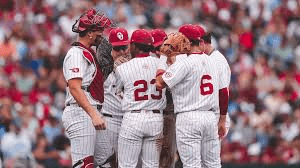
By Monday night, they were stacking helmets near the mound after a 13–2 demolition of North Carolina in Game 3 of the Men’s College World Series Finals, turning a winner‑take‑all showdown into a coronation.
From 11th in the SEC to Dogpiling in Omaha
This entire run started from an 11th‑place finish in the league standings, a placement that seldom foreshadows a dogpile at season’s end. Instead of bowing out quietly, Oklahoma turned the postseason into its own revenge tour. The Sooners ripped through regionals and super regionals, knocking off higher‑seeded brands and leaning into an extra-base-hit-heavy, SEC‑style brand of baseball that played perfectly under the Omaha lights. Each step reinforced the same message: this wasn’t a fluke hot weekend, it was a full‑on transformation.
In the Finals, Oklahoma set the tone early. Game 1 belonged to the Sooners as they jumped on North Carolina’s ace and rode a power surge to a 1–0 series lead, immediately putting pressure on a Tar Heel program still chasing its first title. North Carolina answered with a composed Game 2, cooling off OU’s lineup and forcing the winner‑take‑all showdown the sport lives for. But once Game 3 settled in, it stopped feeling like a coin flip and started looking like an Oklahoma statement.
The Sooners’ bats came out hunting from the first inning. They hunted early counts, punished mistakes in the zone, and stacked crooked numbers until the pressure shifted entirely onto North Carolina. On the other side, OU’s pitching staff did exactly what a champion needs to do: throw strikes, avoid freebies, and make every Tar Heel rally feel like an uphill climb. By the late innings, the tactics and matchups faded into the background, and all that remained was the inevitability of a dogpile in crimson.
Sooners Add a Third Ring to the SEC Dynasty Run
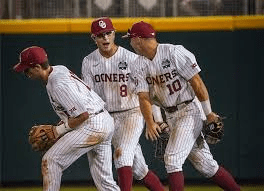
For Oklahoma, this moment now lives alongside 1951 and 1994 in program lore. Those first two titles had started to feel like distant photographs on a wall, reminders of eras gone by rather than living parts of the modern conversation. Now there’s a fresh image to pin next to them: crimson jerseys under the Omaha lights, a new generation at the bottom of the pile. Three national championships in baseball changes how Oklahoma is mentioned in any discussion of true College World Series programs; they’re no longer living on history alone, but on something they just proved in real time.
It also deepens a larger truth that has defined the sport over the last decade: right now, the road to a national title either comes from the SEC or runs through it. Year after year, the conference sends different faces to Omaha and still keeps the trophy in the same neighborhood, stacking titles with a variety of programs rather than riding one dynasty. Oklahoma’s move into that ecosystem was always billed as an upgrade for both sides, and this run is the on‑field proof. The Sooners took an SEC grind, survived it, and then used it as the launch pad for a June breakout.
That’s the bigger story here for a national audience. A team that looked ordinary in March and April became nearly unbeatable in late June. A tradition‑rich program walked into its new league and immediately grabbed a piece of the sport’s most dominant era. And on one loud night in Omaha, Oklahoma didn’t just win a title — it planted a flag in the middle of the SEC’s baseball empire and reminded everyone that, in this sport, that’s where the power lives now.