
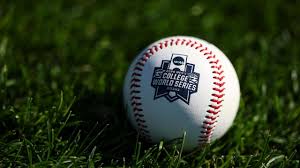
The 2026 Men’s College World Series final has delivered exactly what college baseball fans hoped for: two heavyweights trading blows in Omaha, heading into a winner‑take‑all Monday night. North Carolina and Oklahoma have split the first two games of the best‑of‑three at Charles Schwab Field, with the Sooners taking Game 1, 9–3, and the Tar Heels answering in Game 2 with a 6–2 win to force a decisive Game 3.
A Best-of-Three Epic in Omaha: Inside the UNC–Oklahoma MCWS Final
The series opened with Oklahoma looking every bit like the more comfortable team on championship Saturday. The Sooners jumped out early and never really flinched, turning Game 1 into a statement about their offensive ceiling. They piled up nine runs on North Carolina, riding a four‑run fourth inning to break the game open and take a 1–0 lead in the series. Deiten LaChance was the headliner, belting two home runs and finishing a monster day in the heart of the OU order, while Dasan Harris and multiple Sooners chipped in multi‑hit efforts that kept pressure on UNC pitching from the first pitch to the last.
For North Carolina, that 9–3 loss was a gut‑check. The fifth‑seeded Tar Heels came to Omaha as one of the most complete teams in the field, fresh off a 12–7 rout of West Virginia in the bracket final, where they once led 12–1, but Oklahoma’s power and ability to string together quality at‑bats exposed the thin margin for error in the finals. UNC’s staff struggled to avoid the big inning, their defense bent under sustained stress, and their offense never could answer the Sooners’ middle‑inning haymaker with a crooked number of its own.
Sunday, though, flipped the script and reminded everyone why this felt like a toss‑up series from the jump. Game 2 belonged to North Carolina’s pitching and timely power. Oklahoma again punched first, scoring two runs in the opening frame to grab a 2–0 lead and threaten to turn the afternoon into an early Father’s Day coronation. Instead, the Tar Heels’ arms slammed the door over the final eight innings. Starter Ryan Lynch settled in after the shaky first and then handed the ball to Caden Glauber, who authored one of the defining relief outings of the tournament with five scoreless innings and eight strikeouts.
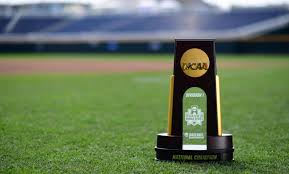
That pitching platform gave UNC time to find its offense, and when the Tar Heels broke through, they did it with authority. Jake Schaffner changed the entire feel of the game with a two‑run triple, then scored on a wild pitch to swing the lead in UNC’s favor. Owen Hull followed with a leadoff homer, and Cooper Nicholson delivered a two‑run blast in the seventh, turning a tense, low‑scoring grind into a 6–2 Tar Heel win. North Carolina’s ability to convert base‑runners into extra‑base damage—something they lacked in Game 1—was exactly the adjustment they needed to drag the series to Monday.
The broader narratives are everything you’d want in a national championship. UNC is chasing the first Men’s College World Series title in program history after years of “almost,” including a finals appearance back in 2007 and a series of deep runs that never quite ended with dogpiles in Omaha. Oklahoma, meanwhile, is leaning into tradition and pedigree. The Sooners already own two national titles and now stand 27 outs away from a third, just four years removed from their last trip to this stage in 2022.
From a stylistic standpoint, it’s a classic clash. North Carolina’s identity in this run has been depth on the mound and balance in the lineup. They rolled into the finals after shutting down Ole Miss and West Virginia with a mix of frontline starters and high‑leverage bullpen arms, and their Game 2 win over OU looked like an archetype of Tar Heel baseball: control the run game, strike out enough hitters to escape traffic, and let a deep lineup eventually crack the door open.
Oklahoma’s path is built on brute force and belief. The Sooners bludgeoned their way out of an 11–4 win over Georgia in the bracket final, leaving Omaha’s top home run‑hitting team on the wrong end of a five‑homer barrage, and they looked like the more explosive outfit again in Game 1 against UNC. Their lineup has shown it can turn any inning into a crooked number if pitchers lose the zone or miss up in it, and that threat alone shapes how North Carolina has to manage Game 3.
All of it builds to Monday night: 7 p.m. Central, ESPN, series tied 1–1 at Charles Schwab Field. It’s the scenario every player dreams about, and most coaches spend their careers chasing—a single game to decide a season, with one dugout set for eternal history and the other destined to carry a lifetime of “what ifs” out of Omaha.