

A Preseason Favorite Turned Warning Label
In October, Memphis was a program you circled in ink. Defending conference champion. Preseason favorite. A roster built to bully a new-look American and spend March on national television, not on the wrong side of the standings.
Now, with UAB coming into FedExForum, Memphis is something else entirely. The Tigers are under .500 in late February for the first time in more than two decades, drifting through a season that has morphed from title chase to damage control. The gap between what they were supposed to be and what they are has become the story.
This was the team that was supposed to stabilize the AAC after realignment. Instead, it has become the loudest, most vivid example of how quickly things can fall apart in modern college basketball. One year, you are the league’s anchor. Next, you are the cautionary clip.
Anatomy of a Meltdown Season
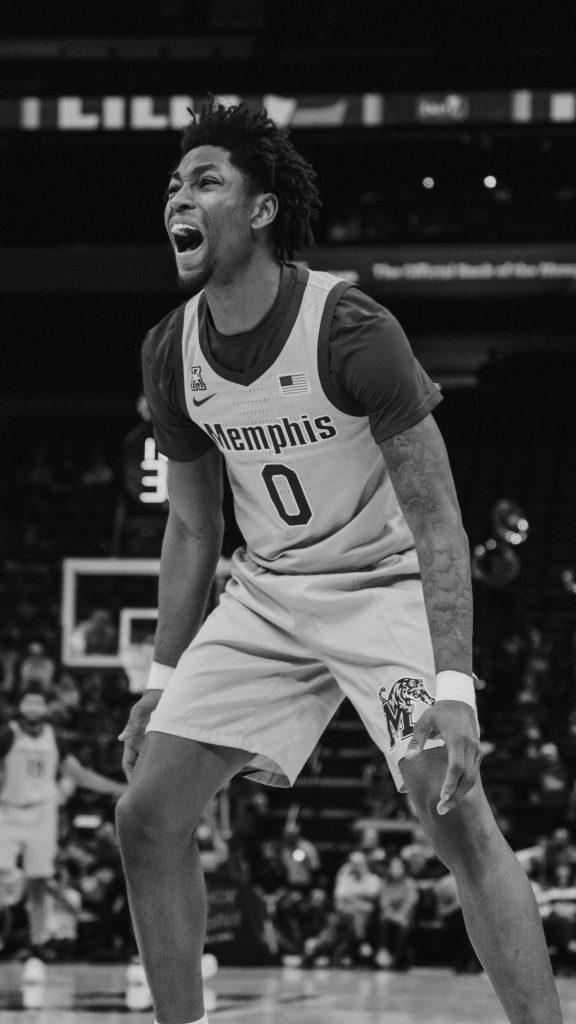
Memphis’ record is jarring on its own. The way it has been built is even more damning. At home, the Tigers look like a competent, flawed, but dangerous team. On the road, they have been almost unrecognizable, stacking double-digit losses and long offensive blackouts that feel less like outliers and more like identity.
The loss at South Florida this week was the season in miniature. Memphis controlled the early stretch, then came the now-familiar freefall: 19 straight missed shots, nearly twelve and a half minutes without a field goal, a five-point lead flipped into a blowout deficit by halftime. Once again, the Tigers did not just lose. They vanished.
That is what separates a slump from a meltdown. Slumps are about bad shooting nights and close losses. Memphis has had full halves where the offense looks like five strangers trading turns. When the first action breaks, there is no reliable second or third option. Possessions turn into contested jumpers, forced drives, or nothing at all.
And when the offense dies, there is no elite defense to lean on. The transition defense suffers, rotations lag, and the scoreboard tilts quickly. For a preseason favorite in a league it was supposed to control, that combination is lethal.
Penny Hardaway Under a National Lens
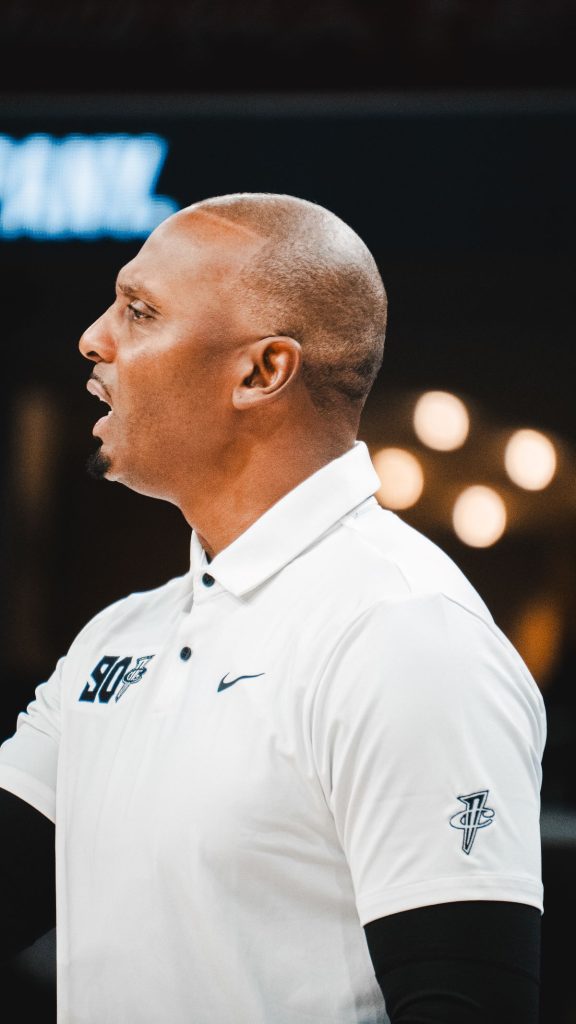
This crisis hits harder because of who is in charge. Penny Hardaway is not an unproven name learning on the fly. He is the face of the program, a former NBA star who turned Memphis into one of college basketball’s most fascinating experiments.
He has already done the hard things. He brought talent home. He navigated the portal era. He won a conference title and walked into the season with the league’s respect and a clear system. Last spring looked like validation, the point where promise turned into proof.
Now, his tenure is being tested in a different way. This is not about creative recruiting or big wins in big arenas. It is about whether he can steady a veteran group when the walls start closing in. Can he impose structure on a team that has relied heavily on individual shot-making? Can he get consistent connectivity on defense when frustration is high and the schedule is unforgiving?
Fair or not, seasons like this stick. They become reference points in every future conversation. When Memphis is discussed nationally now, it is no longer just about its ceiling. It is about how a team with that ceiling ended up here.
Echoes of the Past, Pressure of the Present
Older Memphis fans will recognize the broad outline. The last time the Tigers were this far underwater this late was the 1999–00 season, when they were buried in February before ripping off a 5–1 closing stretch and walking into the offseason with pride restored. That group turned a lost year into a late statement.
The parallel is clean: a proud program, a messy record, a small window to rewrite the ending. The difference is that 1999–00 unfolded in a different era. There was no transfer portal churn, no constant online autopsy of every box score, no daily national ranking of who has “failed expectations” most.
This Memphis team is trying to respond with every camera rolling and every stumble amplified. Every loss becomes a referendum on Hardaway. Every win is judged against what a preseason favorite is “supposed” to look like. The margin for nuance has disappeared.
UAB as a National Rorschach Test
That is what makes Sunday against UAB feel bigger than a typical conference game between two middle-of-the-pack teams. On the surface, it is a rematch between programs fighting for position in a crowded league. In reality, it is a status check on whether Memphis has anything left beyond its name and its history.
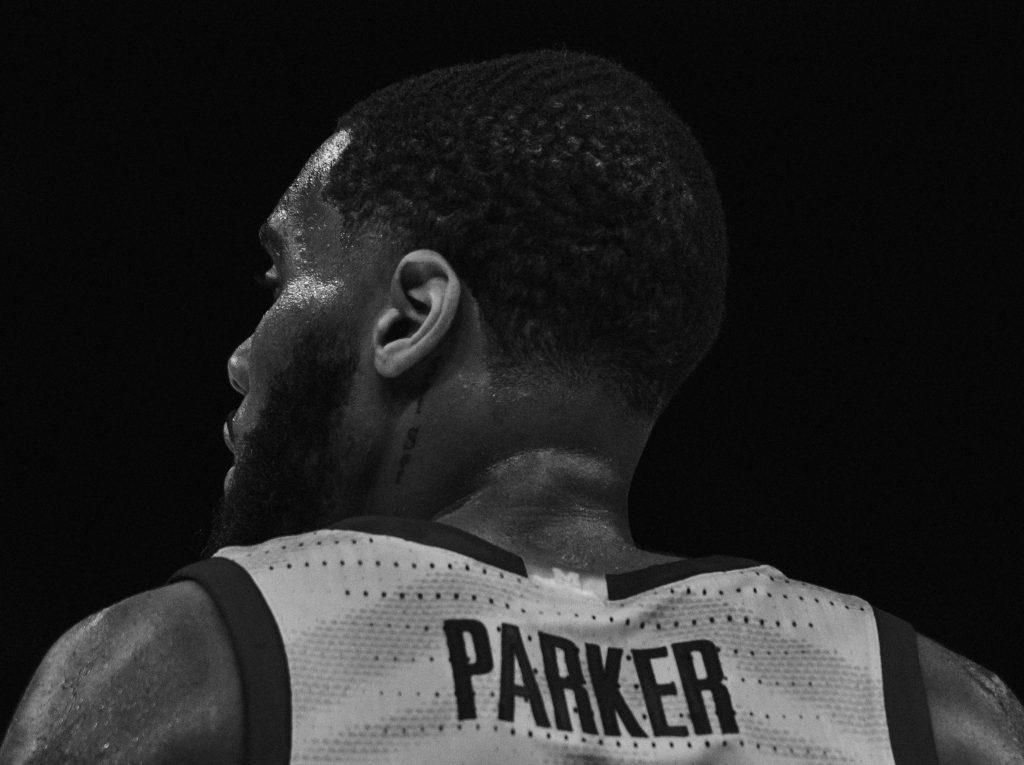
As we recapped, the first meeting in Birmingham showed the best version of the Tigers. Memphis won 90–80 because Sincere Parker detonated for 40 points, hitting everything and bending the game around his confidence. He turned a tough road night into a personal showcase and made the Tigers look, briefly, like the juggernaut they were supposed to be.
You cannot build a season on outlier brilliance. UAB has the film and the memory of how Parker torched them. If Memphis is going to win the rematch, it cannot simply hope for another once-in-a-career heater. It has to look functional in the halfcourt. It has to defend with purpose before it falls behind. It has to show an organizing idea that survives the first punch.
From the outside, this game is a Rorschach test. If Memphis comes out wired, connected, and sharp, it feeds a narrative that this is a battered but dangerous team starting to push back. If it looks flat or fractured again, it reinforces the harsher view: that the preseason favorite was a mirage, and the season has already slipped beyond saving.
A Program on the Edge of Its Own Story
“On the Brink” is not just about this year’s record. It is about what this season says about what Memphis is becoming. Is this a one-off misfire in a chaotic era, the kind that even strong programs occasionally endure? Or is it the first real sign that all the volatility the Tigers once weaponized has finally turned inward?
There is still time for Memphis to change the tone. A strong finish, sparked by a statement at home against UAB, would not erase everything that has gone wrong. It would, however, prove that the program can still absorb a hit and swing back.
If that response never comes, this year will not be remembered as “just a down season.” It will be remembered as the moment the Tigers stepped from contender to question mark. And from a national perspective, that is the most dangerous brink of all.