
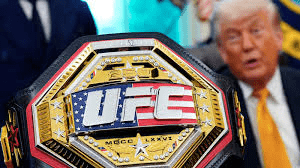

The UFC “Freedom 250” is already one of the loudest ideas in fight sports. A UFC card is headed to the South Lawn of the White House, timed to America’s 250th birthday and the president’s 80th. The cage, the columns, the flags, the lawn crowd all create a made‑for‑TV image. UFC has pursued that level of spectacle for years as it has grown into a global product. Now the date is circled in June, construction has begun, and what started as a wild concept is sliding into reality.
When the President Becomes the Promoter
From the moment the plan surfaced, it was pitched as a patriotic showcase wrapped around a high‑end mixed martial arts event. For the fighters, the opportunity is obvious and rare. A win here will trail them for the rest of their careers. A title defense or breakout finish on this stage can define a legacy in a way no standard arena can. In this sport, moments matter as much as resumes, and few stages offer more long‑term juice than a cage on the South Lawn.
A Cage on the South Lawn
On paper, the card is being built to match the ambition of the venue. Champions and contenders are being lined up to headline and support the event, with the clear goal that when the opening bell finally rings, it feels like the best possible version of the sport. The arena will be temporary, but the stakes for the athletes are not. They fight for belts, bonuses, leverage, and the kind of highlight clips that never fade from company packages.
When the event arrives, the sport itself will still be the sport. Fights will hinge on distance, timing, pressure, and composure, the same ingredients that decide any title run. Cornermen will shout over the noise. Game plans will hold or fail under stress and fatigue. For each round, the lawn will shrink to canvas and chain link. Still, the backdrop will never fully vanish. Every wide shot will remind viewers this is not Vegas, not Madison Square Garden, but the front yard of the executive branch. The White House carries its own weight in every frame.

The Stage No Rival Can Touch
No other fight promotion has been offered a stage like this. A purpose‑built arena is rising on the South Lawn, with seats for guests, military members, political allies, and a select number of fans. Nearby, a fan zone will open for thousands more viewers, turning a government address into something that looks and feels like a festival ground. The address alone makes this more than another outdoor show. It turns the card into a civic and cultural statement, whether anyone involved wants to admit that or not.
That exclusivity changes how we talk about the event. UFC has long framed itself as a merit league where the best fight the best, and the market rewards that. This night adds a new factor: proximity to power as a competitive advantage. Not every company can reach this lawn, no matter how good the product or how strong the ratings. That does not erase the work of the roster, but it shifts the story about why this specific promotion, at this specific moment, gets to plant its cage in that specific patch of grass.
A First in Presidential Sports History
Presidents have always mixed sports and the White House, but not like this. Past administrations have brought in championship teams for photos, hosted youth clinics on the South Lawn, and thrown watch parties inside the East Room. Those were ceremonies built around existing competitions, not full‑blown, ticketed fight promotions staged as broadcast products on the property. What is planned now is something different: the White House itself becoming the venue for an official UFC card, with an arena constructed outside and a global audience watching.

That alone would make “Freedom 250” a break from tradition. Then you add the personal tie. The same president inviting the promotion in and hyping the show has also taken a stake in the company that owns UFC, buying shares in its parent group months before the event. There is no real precedent for that combination. We have seen presidents celebrate winners. We have not seen one help build a showcase event for a sports‑entertainment company and also hold stock in that company at the same time. That lack of precedent is part of why this night sits in a different category from the usual “sports at the White House” photo‑ops.
Fights, Power, and What We Are Supposed to Ask
That brings the focus back to incentives. The show gives the president three obvious wins. It hands him a made‑for‑TV spectacle on his birthday, in his yard, framed as a national celebration. It lets him spotlight a promoter who has backed him for years and is now returning the favor by bringing UFC’s biggest swing to his front lawn. It also creates a potential long‑term benefit if the company behind the event turns this night into brand value, better positioning, and, over time, shareholder upside. He is not just standing next to the cage for a photo. He is tied into the corporate structure that plans to leverage that photo for years.
Our job in media is not simply to describe knockouts and scorecards. Our job is to cover the event and ask why it looks the way it does. That means asking why this company, on this date, got to this stage. It means asking what it signifies when the people’s house becomes the set for a privately owned fight league, pushed hardest by an officeholder who also owns a piece of its parent firm. Those questions are not an extra layer. They are part of covering the event honestly, the same way we would examine who pays for a new stadium or who profits from a college playoff expansion.

None of that changes the reality for the fighters. They will prepare as they always do, worrying about opponents, weight, and game plans, not balance sheets or conflict‑of‑interest debates. When the cage door closes, their world shrinks, and the only thing that matters is what they do with their minutes under the lights. They did not design this stage. They are using the one they were offered. That distinction matters, and it should show up in how we talk about them.
When “Freedom 250” finally goes live, the athletes will do their part. They will step into the cage, risk their health, and chase history on a night that will follow them forever. The broadcast will deliver the images the promotion clearly wanted: a cage on the South Lawn, a belt raised in front of the White House, a fight company etched into American iconography. The rest of us have another duty. We cover the fights as a sport. We also ask why a privately owned fight league is on that lawn at all, how it got there, and who stands to gain most from turning the most famous address in the country into a set. That, more than anything, is the section of the story no one else can write for us.