
Monster Energy just slapped its name on one of the most buttoned‑up events in college football. The “2026 Monster Energy Big 12 Football Media Days” already sounds less like a conference presser and more like a pay‑per‑view card. But behind the logos, the lights, and the cans, one uncomfortable, viral‑ready question hangs over Frisco:
Is Monster really sending the “Monster girls” into the heart of college football’s corporate showcase?
Is Monster About to Cross the Line at Big 12 Media Days? College Football’s Most Awkward Question Is Finally Here
That isn’t just a branding question. It’s a culture question. It’s a question about how far this sport is willing to bend in the chase for money, attention, and an edgy image. And it’s the question almost nobody in official circles wants to answer on the record.
The Collision Course: Pit Road Meets the Press Room
In motorsports, Monster’s identity is unmistakable. You can spot it before you ever see the logo.
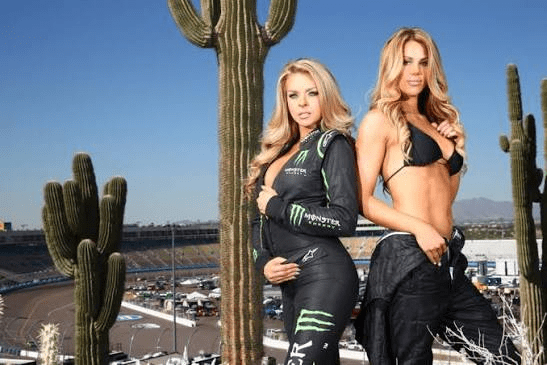
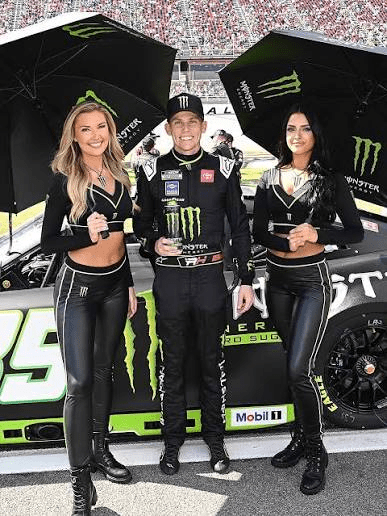
Flat‑black and neon green. Beats pounding over the PA. Cameras snapping around the podium. And front and center, the “Monster girls” — models woven into the fabric of the show, positioned at the edge of every major moment. They’re not an accessory; they’re part of the brand’s visual grammar.
College football Media Days could not be more different. This is where commissioners rehearse talking points and pretend to have control over a sport that keeps melting and reshaping under realignment, NIL money, and playoff expansion. It’s where university presidents want clean optics, safe quotes, and visuals they can show recruits’ parents and trustees without flinching.
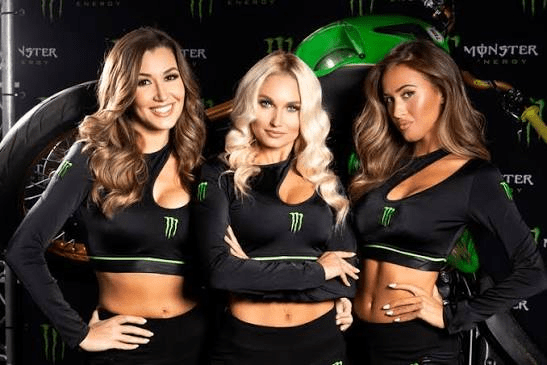
Now imagine that world suddenly sharing the stage with Monster’s motorsports aesthetic.
It’s not hard to picture the shot that would instantly go viral: a head coach and his star quarterback at the podium, flanked by Monster branding on the backdrop — and a “Monster girl” presence nearby that looks ripped straight from pit road. One image, and the sport’s competing identities collide: “student‑athletes” and campus values on one side, high‑octane entertainment marketing on the other.
Administrators will swear this is about “enhancing the fan experience.” They’ll talk about “expanding partnerships” and “meeting young fans where they are.” But they won’t want to be the ones answering the real question: is this still college football, or is it just content with a marching band?
Who Actually Owns the Optics of College Football Now?
Here’s what nobody at a podium will say out loud: college football has already sold its soul in pieces. Media rights. Gambling integrations. NIL collectives with donor war chests. Neutral‑site games that feel more like TV products than campus traditions. Slapping Monster’s name on Media Days is just the latest brick in that wall.
But the “Monster girls” question cuts deeper because it forces every power broker in the sport to choose a side.
If Monster shows up with a full motorsports‑style activation, including promotional models that mirror race‑day optics, it sends a clear signal: the conference is comfortable importing that world directly into its flagship communications event. It’s an admission that, at least in practice, this is an entertainment product first and a college event second.
If Monster doesn’t, that silence is just as loud. It means there are still lines the league and its member schools are not willing to cross, even as they cash checks and chase engagement. It suggests college football wants to be edgy, loud, and monetized — but not so far gone that a screenshot from Media Days becomes a national referendum on how women are used to sell sports to young men.
Right now, nobody is volunteering a straight answer. That’s why this question has teeth.
It doesn’t just poke at Monster. It challenges commissioners, athletic directors, presidents, and TV executives. Who, exactly, is in charge of deciding what the “look” of college football is in 2026? Is it the conference office? The sponsor? The network? Or is it whoever thinks one viral activation is worth the backlash and think pieces that follow?
The Question Every Power Broker Should Have to Answer
So let’s ask it the way a seasoned reporter would, on camera, on the record, where the spin can’t hide the stakes:
“Given Monster’s history of using promotional models as a core part of its live‑event branding, will the Big 12 allow that motorsports‑style activation — the so‑called ‘Monster girls’ — to be part of its official Media Days footprint, and if not, where exactly is the line you’re drawing between entertainment and the values you claim to represent in college sports?”
There’s no easy dodge here.
If the answer is yes, the league owns that decision. It’s choosing spectacle, knowing full well the optics will ricochet through every campus that recruits under the banner of “student‑athlete experience.”
If the answer is no, then the conference needs to explain why this part of Monster’s identity suddenly doesn’t fit — and what that says about all the other edges it has already embraced for the sake of money and exposure.
One brand deal won’t “ruin” college football. But the choices wrapped inside that deal tell us exactly who the sport is willing to be when the cameras are rolling, and the checks have cleared.
In Frisco this week, Monster will absolutely be visible. The logo will be on the banners, the backdrops, the broadcasts, and probably in the hands of more than a few players and staffers. But the real story — the one fans, critics, and recruits’ parents will remember — might come down to a single frame:
Who stands next to the game when the lights come up?
That’s the question I’d keep asking until someone stops dodging it.