
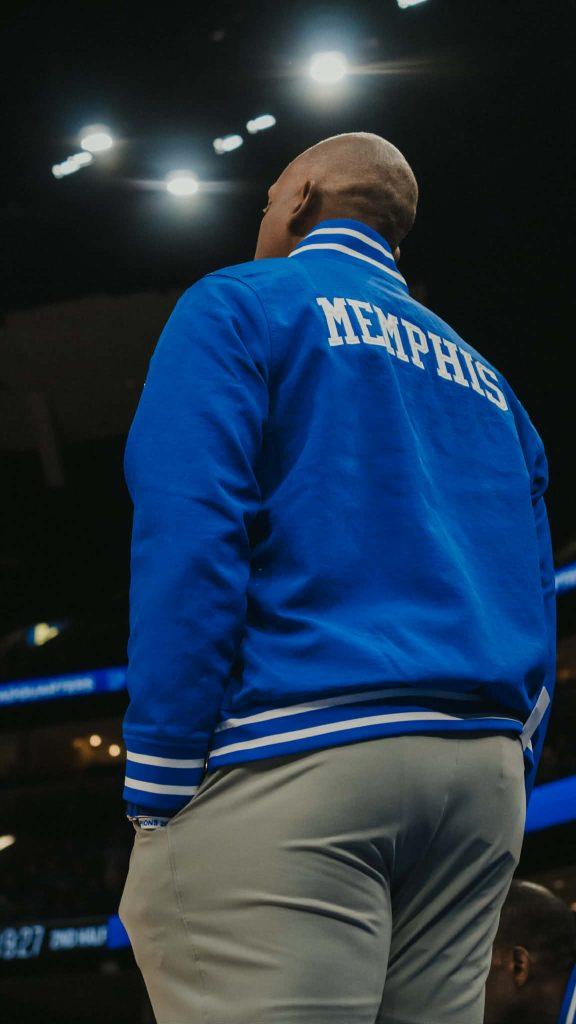
Memphis has already shown it knows what a real standard looks like. Football lives by it. Basketball, under Penny Hardaway, has not been forced to.
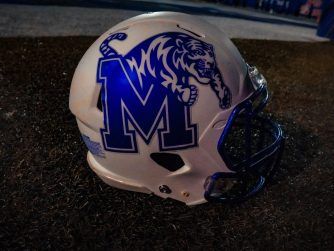
Memphis football is judged on wins and growth. Ryan Silverfield went 50–25 before leaving for Arkansas. He won four straight bowl games. He pushed the bowl streak to 11 seasons. Double‑digit wins were not a dream. They were the expectation.
And even then, the question around him was, “Is this enough?” Not, “Is he one of us?” Fans and boosters argued about ceilings. They debated access to the New Year’s Six. They asked whether Memphis was still climbing or settling. Success brought pressure, not protection.
Basketball lives in a different world.
Football’s Standard: Success Still Gets Questioned
Memphis football has been treated like a serious operation. Results first. Feelings later. That is the culture.
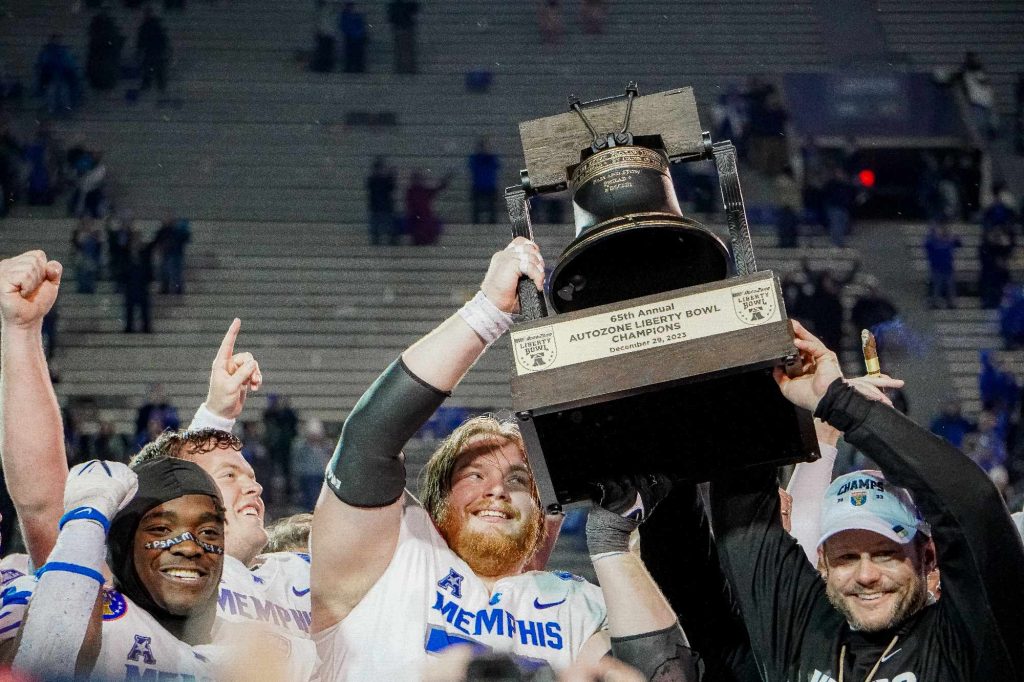
Silverfield’s record would have made some schools relax. Memphis refused. It did not ignore the wins. It just refused to stop at them. The program’s rise under Justin Fuente and Mike Norvell set the bar. The expectation is locked in. Compete for titles. Chase big stages. Stay nationally relevant.
That is what a standard looks like. It does not change for personalities. It does not bend because the coach is likable. It holds. It demands more.
Penny’s Resume: Good Numbers, Thin March
Penny’s win totals look good at first glance. Seven straight seasons with at least 20 wins. A 29–6 run in 2024–25. A sweep of AAC regular‑season and tournament titles. FedExForum is packed and loud again. The brand is back in national conversations.
But March tells the truth. One NCAA Tournament win in seven seasons. One. That came in 2022. The two other trips ended in first‑round exits. The 29‑win team lost to Colorado State in its opener. The gap between noise and March payoff is massive.
For a program that still sees itself in the mirror of the John Calipari years, that return is thin. Memphis did not build its reputation on “almost.” It built it on deep runs and real stakes. Under Penny, the regular season sells hope. The postseason keeps cashing it out early.
The Black Cloud Era: Wiseman, Violations And Chaos
And then there is the black cloud. The James Wiseman saga still hangs over everything. An $11,500 payment by Hardaway when he was considered a booster. The decision was made to play Wiseman after the NCAA ruled him ineligible. Memphis turned a mistake into a standoff. The fight dragged on for years. The program ended up on probation. Wins were vacated. Fines were handed down. The only “victory” was avoiding a postseason ban.
That alone would stain an era. But it did not stand alone.
Additional recruiting violations followed. Impermissible contacts. Visits that did not meet the rules. The school eventually accepted a negotiated resolution. More probation. More penalties. Hardaway suspended. Memphis is again reading from an infractions report instead of a bracket.
Then came the recruiting swings that turned into national cautionary tales. Emoni Bates arrived with “Next Kevin Durant” hype. He reclassified to get to campus. He left after one turbulent year. The fit never made sense. The offense never settled. It felt like a talent play with no plan.
Mikey Williams was different and worse. A blue‑chip guard with huge social media weight. Then nine felony gun charges. Months of uncertainty. He stayed in limbo. On the roster, but away from the team. He eventually transferred after a plea deal. Memphis was again tied to a courtroom.
The common thread is chaos.
This Season’s Boilover: Suspensions And A Nightmare Stretch
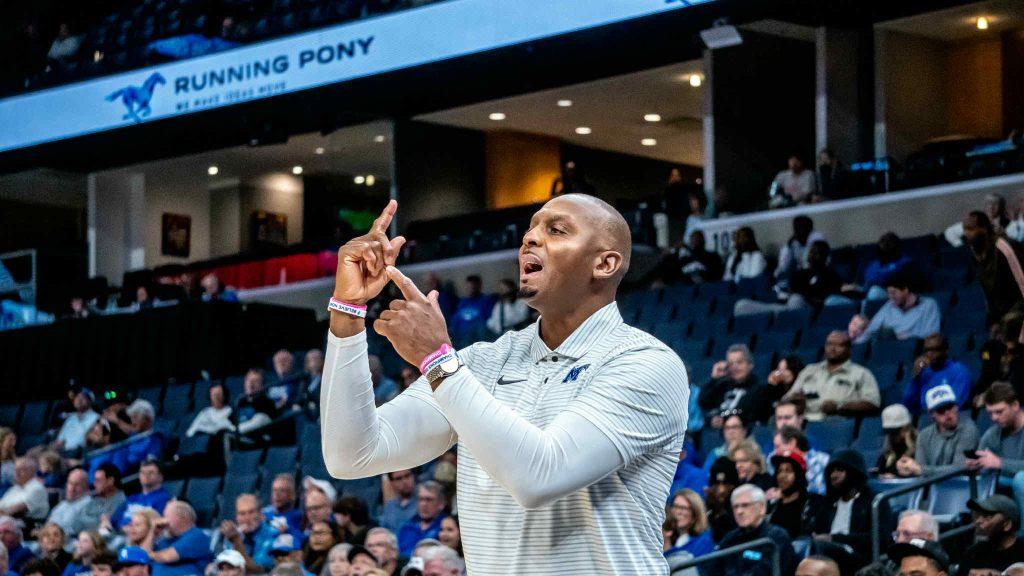
Even when the NCAA stepped back, the turbulence did not. This season was supposed to be the clean reset. Veteran roster. Preseason AAC favorite. A chance to build on 29 wins. Instead, Memphis is wobbling. And the story has shifted again.
Two seniors, Zach Davis and Hasan Abdul Hakim, have been suspended indefinitely. Sent home. “Violation of team rules.” These are supposed to be steady voices. Davis was a rotation scorer. Abdul Hakim, a veteran wing, who could fill gaps. Instead, both are gone at the most important time of the year.
Memphis followed that with a 99–75 loss to Utah State. National outlets labeled it a nightmare, a turbulent season spiraling at the worst time. The coach spent postgame time talking about the opponent’s “class” instead of his own locker room. The focus is anywhere but the standard.
This is the pattern. Football’s noise is about performance. Are you winning enough? Is the program climbing? Does it scare people on big stages? When those answers feel soft, the pressure turns up.
Basketball’s noise is about survival and spin. Can Penny ride out the latest storm? Can Memphis talk its way through another chapter of drama? Can the city keep believing the story it fell in love with in 2018?
Sentiment As A Shield: Family Versus Business
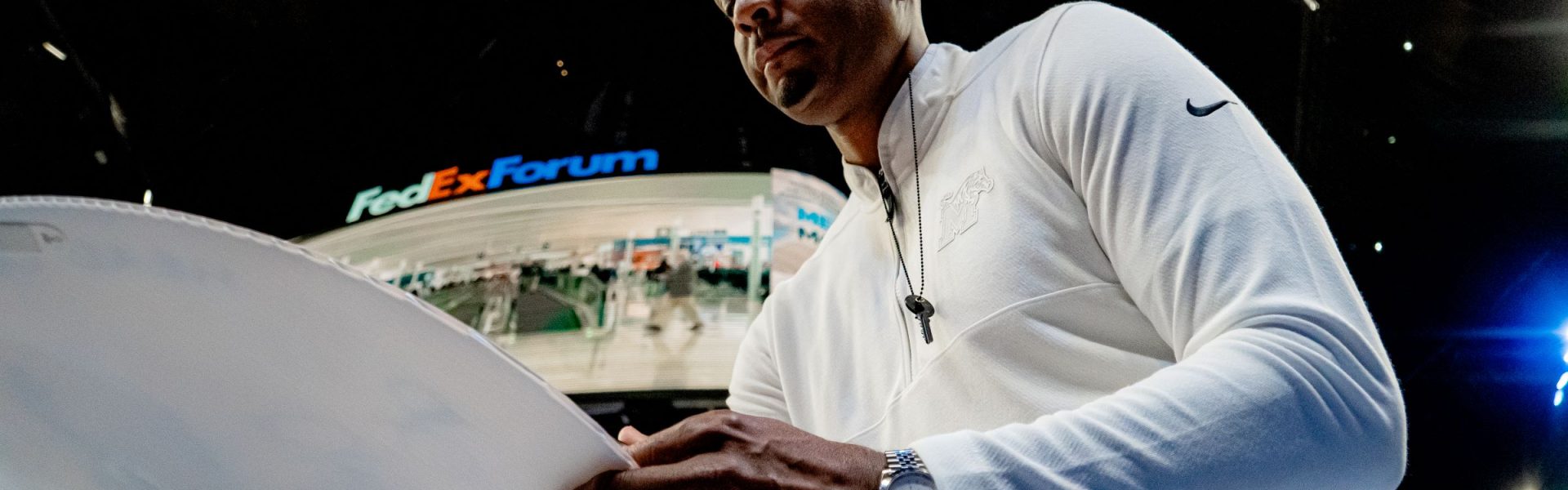
And that story matters. Penny Hardaway is not just a coach. He is Memphis basketball mythology in human form. The kid from here who made it. The NBA star who came home. The man who “saved” the program from apathy. He restored heat to the brand. He got top recruits to pick Memphis again. He gave the city something to rally around.
That emotional connection has become a shield. Football gets judged like a business. Basketball gets judged like family. Silverfield’s 50 wins, bowl streak, and clean program did not protect him from doubt. Hardaway’s one March win and heavy baggage keep getting draped in loyalty.
The question we are asking here at 4 Star Sports Media is not whether Penny did good things. He did. The question is whether Memphis is willing to admit that good is not the same as good enough. Especially when the cost has included probation, vacated wins, constant drama, and another season veering off track.
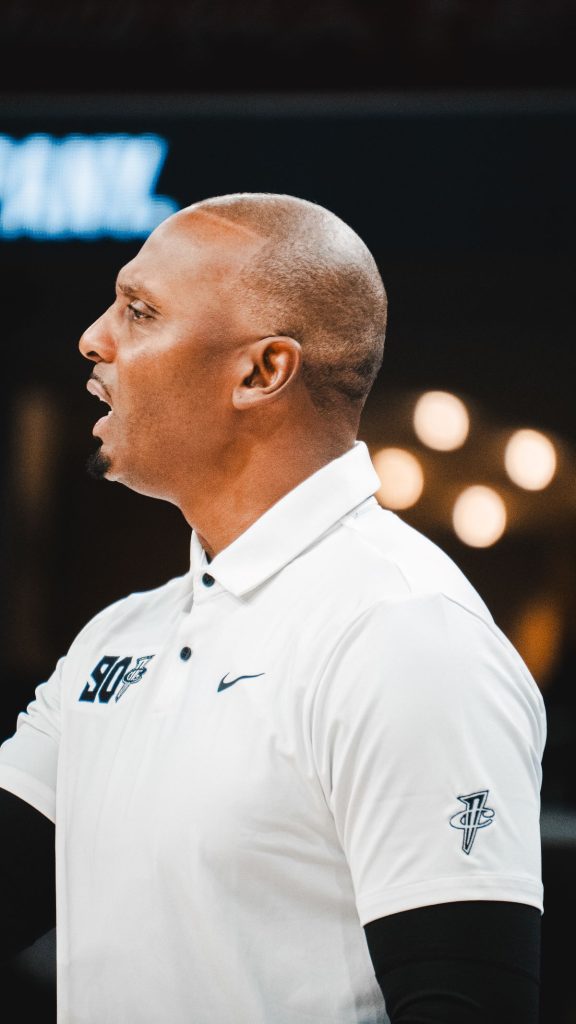
The Real Question: When Will Memphis Act Like Memphis?
Memphis has already shown it knows how to act like a serious athletic department. It did it with football. It set a high bar. It guarded its standard. It refused to let comfort become the goal.
So why doesn’t that same standard extend across the hallway? If double‑digit wins, bowl streaks, and a clean sheet on compliance are not enough to quiet questions in football, how is one NCAA Tournament win and a trail of off‑court storms still enough to keep basketball insulated?
At some point, the sentiment has to stop running the room. Memphis is too proud, too talented, and too experienced in big‑time college sports to let its flagship program live under a permanent cloud. If the standard is wins, stability, and national relevance, then the clock should not run differently for helmets and jerseys. The name on the front is the same. The expectations should be too.