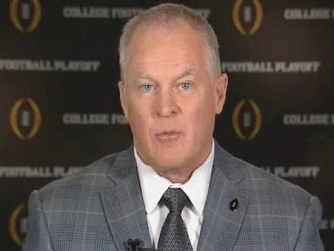

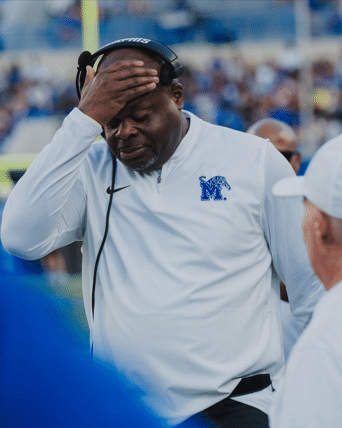
Charles Huff did not need a clever answer Tuesday. He needed a clear one. “I have not interviewed for Maryland. I will not interview for Maryland.” Then he supplied the sentence Memphis had been waiting to hear. “I will be the head coach at the University of Memphis next year.” No interpretation required. No discussion of whether he loved his players or appreciated the opportunity. No carefully constructed answer about being the head coach until somebody said otherwise.
Charles Huff Finally Said It. Memphis Shouldn’t Have Had to Wait This Long.
Huff addressed the opening, ruled out an interview, and stated his intention to return. That is meaningful transparency. It deserves acknowledgment, particularly after weeks in which his name became part of the coaching-market conversation. It also raises an obvious question.
Why did it take this long?
The Answer Apparently Wasn’t New
According to Huff, Tuesday’s announcement was not the product of a recent decision. “Dr. Ed Scott, Dr. Hardgrave have known that since about a month ago,” he said. “I told them when all of the rumbling started with everything—not just Maryland—that I wasn’t taking any jobs this year. I wasn’t taking any interviews.” He said his representatives had received that instruction even earlier. “I told my representatives a month and a half ago I’m not interested in the job cycle.”
Those remarks establish Huff’s account of the timeline. They do not independently verify every private conversation. But they make his explanation for waiting worth examining. “I typically don’t address these things publicly because I would be addressing every opening and every rumor and every podcast every week and it would be more about Coach Huff than the Memphis Tigers,” he said. That concern is reasonable.
The result was less successful. By withholding a definitive answer, Huff left room for the discussion he said he wanted to avoid. His future remained a subject while Memphis was still pursuing its own. A coach cannot extinguish every rumor. He can sometimes remove the uncertainty beneath several of them with one answer. Tuesday demonstrated that.
Candor Works Better Without The Guessing
Huff’s earlier recruiting explanation had already given the speculation a larger audience. He described telling recruits they could accompany him if he left Memphis for a bigger opportunity. That was a response to negative recruiting, not an announcement of departure. Still, it made his possible advancement part of the public sales pitch.
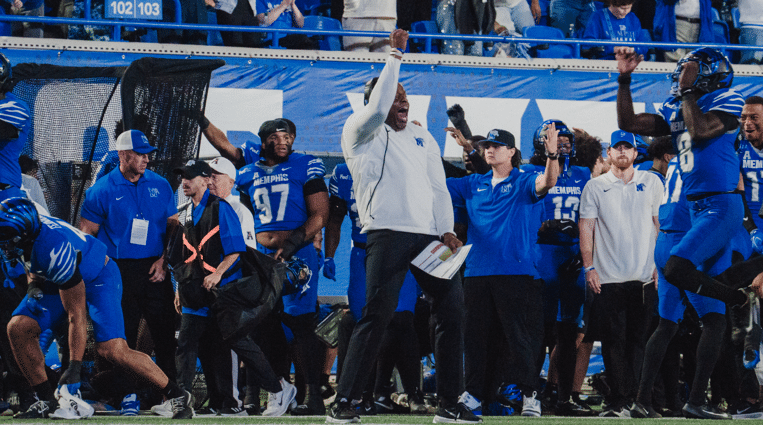
Tuesday sounded different. “I committed to Memphis,” Huff said. “I committed to Dr. Scott. We’ve already started talking about improvements for next year holistically in the program.” That is a better place to begin a conversation about the program’s future: what he intends to build at Memphis, rather than how a relationship might continue somewhere else. The commitment does not erase Saturday’s loss at Navy. It does not restore the fourth-quarter lead or secure an American championship-game appearance.
Nor should it. Employment clarity and football accountability are separate obligations. Providing one does not purchase relief from the other. Memphis enters Friday’s Temple game 8-3 overall and 5-2 in the conference, still pursuing a championship-game opportunity that requires help elsewhere. The players deserve for that assignment to become the central discussion.
Now Comes The Useful Part
“The reason I’m addressing it is because I do think the noise is getting a little loud,” Huff said. He was right to address it. The lesson is not that every coach must respond to every speculative list. It is that a settled private intention can become useful public information when uncertainty begins consuming the conversation.
Huff gave Memphis that information Tuesday. He should be held to the substance of it, not punished for finally providing it. But this was also a reminder that transparency is not simply saying something definitive. It is recognizing when saying it would help.