
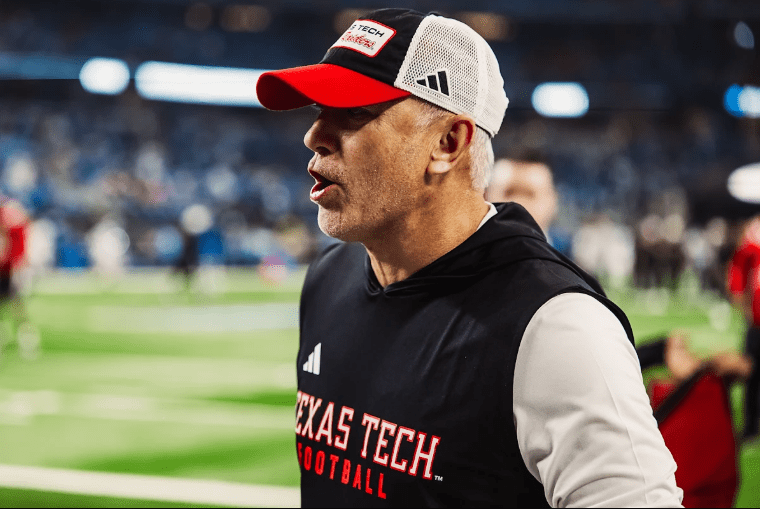
Brendan Sorsby’s statement was supposed to close a chapter. Instead, it exposed the real danger sitting in plain sight across college football. When Sorsby admitted he had lost control of his gambling problem and only truly realized it after getting caught, he did more than take responsibility for his own collapse. He put a human face on the monster this sport keeps pretending it can market, celebrate, and survive without consequences.
Brendan Sorsby Just Admitted the Truth — And College Football Should Be Terrified
That is why this story hits harder than a standard scandal. This is not just about a quarterback breaking rules. It is about the collision between a young athlete, a gambling culture embedded into sports, and a system that still acts shocked when the fire finally reaches the locker room. Sorsby’s words cut through weeks of legal noise and public chaos because they made one thing impossible to ignore: this was not a misunderstanding, and it was not just bad judgment. It was a full loss of control.
This Was Bigger Than One Player
We have spent years watching sports dive headfirst into the betting boom. Broadcasts sell it. Social media pushes it. Content ecosystems feed on it. Entire conversations around games now move with odds, spreads, and same-game parlays sitting front and center. Then, when a college quarterback gets swallowed by that same world, everyone suddenly acts as if the warning signs came out of nowhere.
Sorsby’s case was never small. ESPN reported that he entered a residential treatment program in April after the discovery of thousands of bets, and later reporting described a years-long pattern that included more than $90,000 in wagers. That is not a speed bump. That is an alarm bell. And when reports said some of the bets involved Indiana football while he was with the Hoosiers, the story stopped being only about addiction and became a direct threat to trust in the games themselves.
That is the part college football cannot spin away. Fans can forgive mistakes. They can even understand addiction. What they struggle to accept is the idea that the line between competitor and bettor can blur inside the sport itself. Once that fear shows up, every strange play, every off night, and every late-game decision starts getting viewed through a darker lens, even when there is no evidence of game manipulation.
And that is what makes this case national. Brendan Sorsby is not just a Texas Tech story. He is not just a failed comeback story, either. He is the clearest warning yet that college football’s gambling era has moved from theory to consequence. The sport built a loud, flashy, profitable environment around betting, and now it has to deal with what happens when one of its own gets buried under it.
The Statement Changed the Entire Debate
This is where Sorsby’s statement carried real power. He did not hide behind attorneys, process, or outrage over punishment. He said he accepts “100% responsibility” and admitted he did not have control of his gambling problem. In a sports culture full of vague apologies and carefully polished non-statements, that kind of blunt honesty lands like a punch to the ribs.
It also changed the tone of the entire conversation. Up to that point, much of the public debate had centered on eligibility fights, NCAA authority, and whether Sorsby could salvage his football future through legal pressure or the NFL supplemental draft route. But after the NFL, NFLPA, and Sorsby reached an agreement that made him eligible for the 2027 NFL Draft instead of any immediate path back, the football calendar became secondary to the personal reality.
Sorsby now says the supplemental draft news changes nothing about his recovery and that he will keep taking it one day at a time while preparing for 2027. That matters because it shifts the story away from shortcuts. It tells the public that there is no instant redemption here, no dramatic return to clean up the optics, and no fast-track ending where talent erases everything else.
We should be honest about that too. Accountability does not erase damage. Recovery does not undo the integrity questions. A statement, no matter how direct, does not wipe away years of betting or the fear this case injected into the sport. But what it can do is mark the first real step toward something credible, and that is exactly why Sorsby’s words mattered more than any courtroom win ever could.
College football now has a choice. It can keep treating this as one troubled quarterback’s downfall, or it can admit this was a flashing red warning for the entire sport. Because if Brendan Sorsby’s admission taught us anything, it is this: the danger was never hiding in the shadows. It was sitting right there in the open, and now everybody has finally been forced to look at it.