

The Collective Crash: Part 3

When the NCAA model effectively collapsed, the sport needed a new sheriff. Enter the College Sports Commission (CSC), the independent regulatory body created by the Power conferences in 2025 to enforce the rules of the new, multi-million dollar era. The CSC was designed to be the ultimate governing force, complete with mandatory “participation agreements” and binding arbitration to shield it from lawsuits. The theory was simple: create a centralized commission with actual teeth to police revenue sharing, roster limits, and, most importantly, Name, Image, and Likeness (NIL) collectives.
The reality, however, is far messier. The CSC is attempting to regulate a dark-money economy that fundamentally resists regulation. We at 4 Star Sports Media have watched the NCAA try and fail to police booster cash for decades. Now, the sport has handed that exact same impossible task to a new commission. The question is not whether the CSC has the authority to fix college football. The question is whether the system is already too broken to be repaired.
The NIL Go Illusion
The CSC’s primary weapon against unregulated collectives is a centralized clearinghouse called “NIL Go.” The premise sounds fantastic on paper. Every third-party NIL deal over $600 must be submitted to NIL Go for review. Run in partnership with major accounting firms, the system evaluates whether a collective is paying “fair market value” for an athlete’s services or simply disguised pay-for-play.
But how do you define the “fair market value” of a five-star transfer quarterback? In a truly open market, the value is whatever a desperate booster is willing to pay. The CSC mandates a “valid business purpose” test, requiring athletes to promote a good or service that is sold for profit. Collectives are highly sophisticated operations backed by corporate lawyers; they will simply adjust their paperwork to ensure every massive check technically checks the “promotional” boxes.
The CSC is currently boasting about its early arbitration victories and sending notice of violations to Division I schools. But they are treating a symptom, not the disease. You cannot cap a market while simultaneously allowing third-party entities to operate alongside it. The collectives were built to exploit loopholes, and no clearinghouse algorithm is going to stop a booster from finding a new backdoor to secure a recruit.
The SEC and Big Ten Shadow War
The biggest threat to the CSC is not the collectives; it is the very conferences that created it. The CSC operates under the terms of the landmark House settlement, which caps direct revenue sharing at around $20.5 million annually. But the SEC and the Big Ten—the true power brokers of the sport—are already chafing under these restrictions.
We are watching a shadow war unfold. College sports leaders are privately brainstorming how to grant amnesty for current NIL deals or even dissolve the cap entirely, floating ideas like luxury taxes. If the SEC decides that the CSC’s enforcement is hindering its ability to dominate the sport, the SEC will simply break away. They will not dissolve the House settlement; they will just use their massive political and financial leverage to establish their own internal regulations that supersede the CSC.
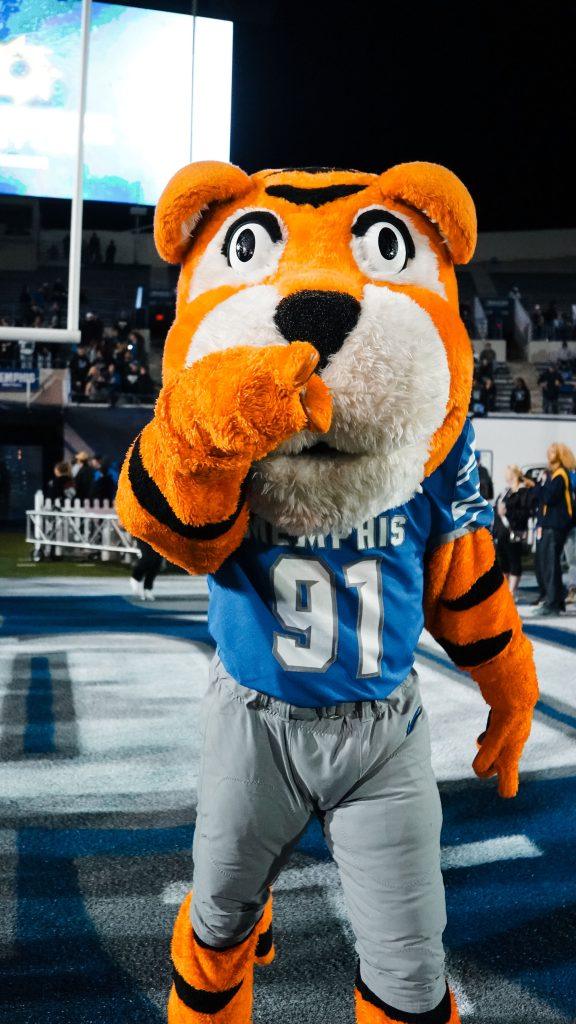
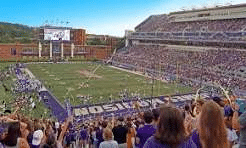
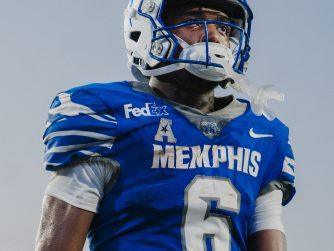
This leaves Group of Five programs like Memphis in absolute purgatory. Memphis is forced to sign the same CSC participation agreements and submit to the same binding arbitration as the mega-powers. Yet, they do not have the SEC’s revenue-sharing war chest or the legal firepower to push back when the clearinghouse flags their collective deals. The CSC was supposed to level the playing field. Instead, it is cementing the divide.
The College Sports Commission is not a fix; it is a temporary bandage on a severed artery. They are trying to apply a professional sports regulatory framework to a system that refuses to adopt professional sports realities, like unionized labor and collective bargaining. Until college football stops pretending it is a hybrid amateur league and fully embraces a professional model, no commission, clearinghouse, or participation agreement will ever regain control of the sport.