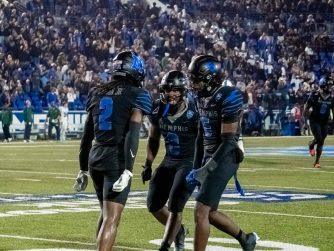

Sports has a way of exposing people, and sometimes the first giveaway isn’t a question you ask or a story you write—it’s the hoodie you’re wearing when you walk into the press box. On a Saturday night, under the lights, with jobs, legacies, and seasons on the line, one reporter in a fresh team jersey can turn a room of working media into a silent jury. Every logo, every color, every stitched-on emblem becomes more than fabric; it becomes a vote on which side of the line you’ve chosen—observer or participant, journalist or fan.
The Unwritten Rulebook
For generations, the job came with quiet commandments: no cheering in the press box, no celebrating in the locker room, no dressing like you bought your outfit at the campus bookstore on the way in. Neutral clothing wasn’t about being joyless; it was about showing everyone—from head coaches to walk-ons—that you were there to document, not to belong. That’s why the old heads still stiffen when a credentialed reporter shows up in full team colors. In their world, that’s not a fashion choice; it’s a broken promise.
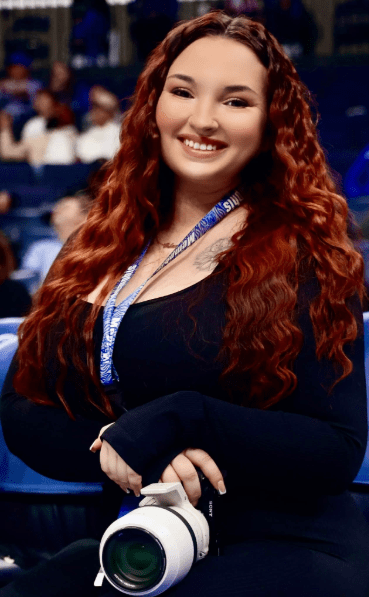
But the culture has shifted. The press box that once held mostly beat writers and TV trucks now shares space with podcasters, YouTubers, and brand-built personalities. The job description has stretched, but the question hasn’t changed: if you look like a fan, why should anyone treat you like a reporter?
The Poll That Exposed the Fault Line
When the question went public—“Is it professional for working media to wear the colors or logo of the team they’re covering?”, the audience didn’t hedge. Across X and Facebook, 66 percent said no; only 33 percent said yes. That’s not just a casual opinion; that’s a trust verdict. Two-thirds of the people you want reading, watching, and sharing your work still believe reporters should look separate from the teams they cover. The one-third in favor? They’re the children of the creator era, raised on fan shows and reaction videos, comfortable with blurred lines and team-branded hot takes.
Those numbers reveal a fault line running straight through modern sports media. On one side stand the traditionalists, clutching the idea that appearance still matters. On the other are the new-school voices who insist authenticity means owning your fandom, even on the job. Every time a reporter zips up a logoed hoodie before heading to the stadium, they’re choosing which side of that line they stand on—and which audience they’re willing to lose.
When the Logo Becomes Exhibit A
Here’s the catch: clothes rarely become a problem when the coverage is soft. When your stories flatter, no one cares what’s on your chest. It’s when the story turns uncomfortable—when you ask about buyouts, suspensions, culture, or accountability—that your wardrobe suddenly goes on trial. The same hoodie that once signaled “I’m one of you” becomes evidence for whichever side wants to discredit you. To some, you’re a “fake fan” who turned on the program. To others, you’re a “homer” who can’t be trusted on anything involving their rival.
That’s the danger. The logo doesn’t just sit there. It talks for you. It speaks before your questions, before your lede, before your sourcing. And once people decide your allegiance based on what you’re wearing, your work has to fight uphill to be seen as anything else.
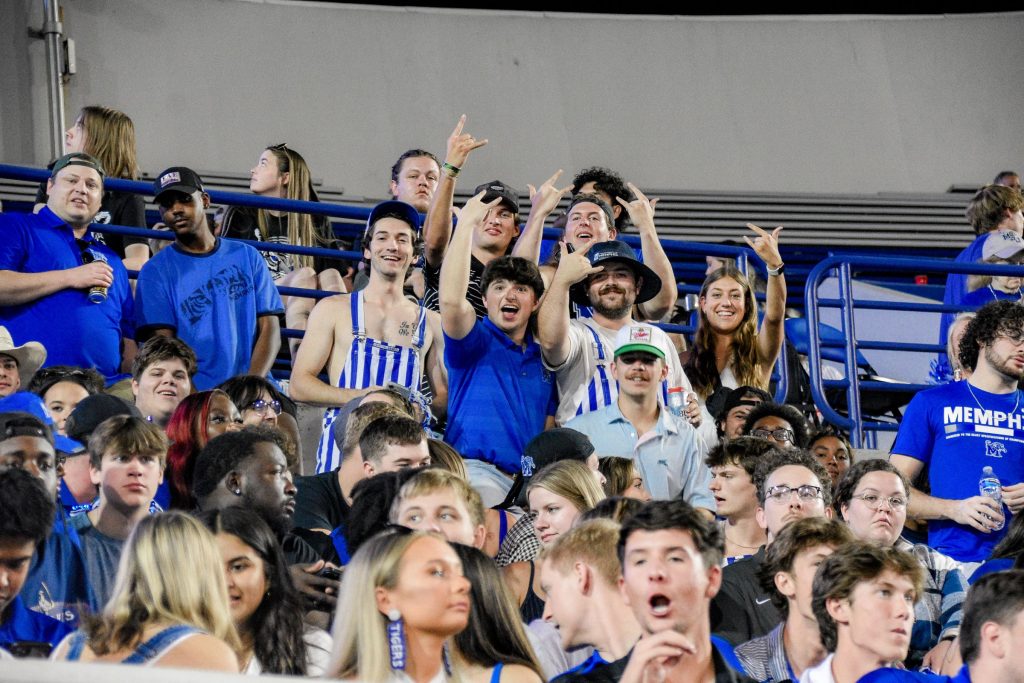
In the end, the choice isn’t really about fashion at all; it’s about stakes. You can dress like the stands and hope your work overcomes the first impression, or you can dress like the job and refuse to give anyone an easy excuse to ignore it. The poll numbers are clear: most of the audience still wants the person with the mic, the notebook, and the press pass to stand a step outside the fanbase. In a business where trust is fragile and access is finite, the smartest play is simple—let your reporting be loud and your wardrobe quiet. The game already has enough jerseys; it doesn’t need yours.