
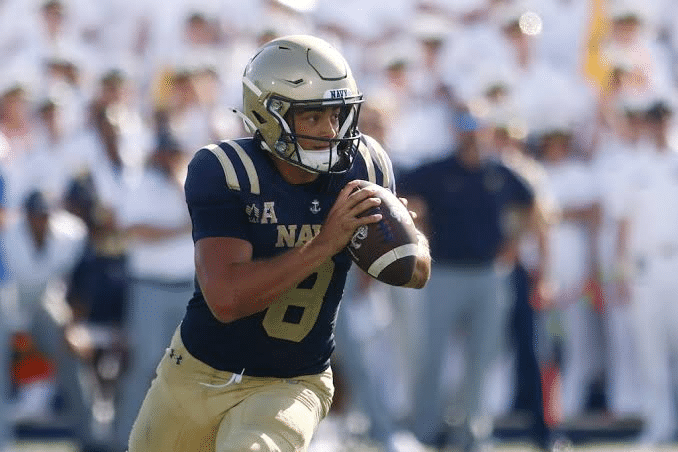
Your school lands another team’s starting quarterback, and you’re posting championship predictions before he picks a jersey number. Your quarterback takes a better offer, and suddenly you’re worried about the future of college athletics. Interesting how quickly a recruiting celebration becomes a sermon when your team loses the auction.
Your School Didn’t Get Betrayed. It Got Outbid.
Interesting how quickly a recruiting celebration becomes a sermon when your team loses the auction. You didn’t object to players chasing money when the money brought one to your campus. You objected when somebody else could pay more.
The Logo Changes Everything
Be honest about what bothers you. It isn’t that a player transferred for money. You’d welcome that player tomorrow if he could fix your offensive line. It’s that he transferred someone else’s money. That distinction matters because college football’s loudest arguments about loyalty often turn out to be arguments about possession. Fans talk about players as though signing with a school means surrendering the right to decide that another opportunity might be better.
You can hate the decision. You can question whether the player picked the right offense, the right coach, or the right path to the NFL. But “he made my team worse” is not evidence that he’s a bad person. And “he made my team better” isn’t evidence that he has exceptional character. Sometimes, both players just took the offer they liked.
You Want a Hometown Discount
The House settlement received final approval in June 2025, allowing participating Division I schools to share approximately $20.5 million directly with athletes in its first year. Player compensation is part of the financial structure now, not some theoretical threat to it. There are real problems to address: unclear expectations, disputed promises, and a system that needs enforceable rules.
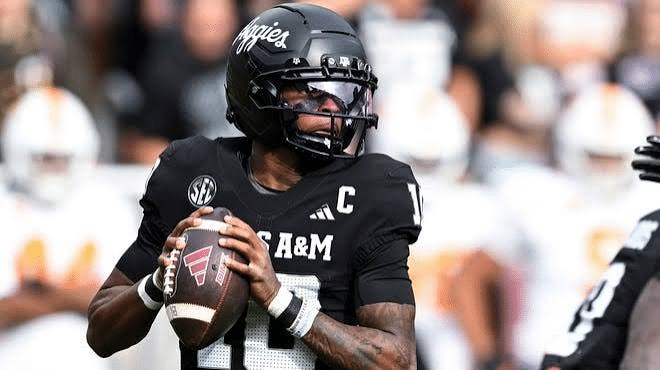
But “players care too much about money” isn’t a solution. It’s a demand that somebody else accept less. Would you turn down a substantial raise because customers at your current job bought shirts with the company’s name on them? Maybe you would stay. People do. Relationships, stability and opportunity matter. But you’d expect the decision to be yours. An athlete deserves that much, even when his decision ruins your depth chart.
Keep the Same Energy
Want contracts? Good. Make the terms clear and the obligations mutual. Want consequences for broken agreements? Fine. Apply them consistently. Want to criticize a player’s performance after a big payday? That comes with the territory. What doesn’t hold up is demanding unrestricted ambition from the athletic department and unconditional devotion from the roster.
So here’s a simple test for the next time you’re furious about a transfer: Pull up what you posted when your school took somebody else’s best player. Read it out loud. If the same transaction was smart business in December and a moral failure in April, the player isn’t the one who changed his principles. You did.