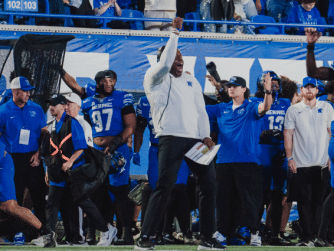

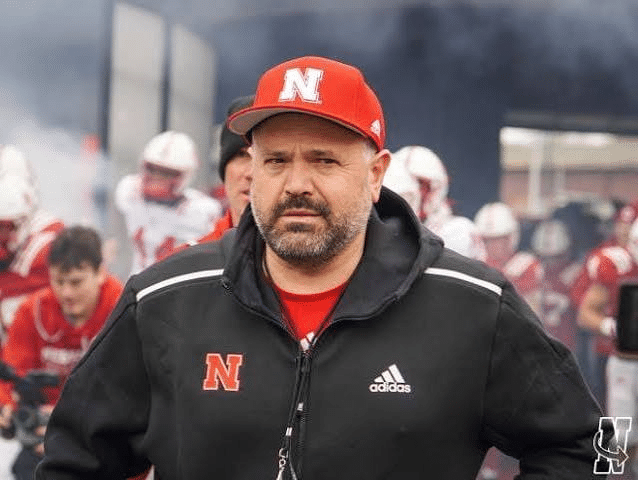
Nebraska’s quarterback performance offers a better starting point for evaluating roster decisions than the announcement cycle. The transfer portal produces instant winners every offseason. Most are declared before anyone has taken a snap. A quarterback commits. A graphic appears. A fan base celebrates. Another fan base explains why it never wanted him anyway. Then the actual evaluation begins.
Winning Time: The Transfer Portal Is a Fit Test, Not a Popularity Contest
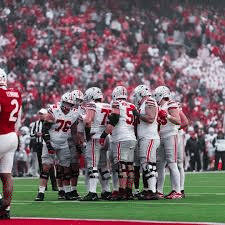
Nebraska’s 31–28 victory over Ohio State offered a more useful way to examine the position. Anthony Colandrea accounted for all four Cornhuskers touchdowns, then helped keep the final possession alive when Nebraska needed to prevent another Ohio State opportunity. That does not establish a financial bargain. It does show why evaluating a quarterback acquisition requires more than measuring the attention it generates.
Production Has to Serve a Purpose
Colandrea finished with 200 passing yards and 63 rushing yards. The importance was not simply the combined total. It was what Nebraska could do with the different parts of his game. His running helped sustain the possession that finished the afternoon. The quarterback was not merely accumulating production. He was supplying a way to solve a specific problem.
That is the kind of fit a roster decision should pursue. The question is not whether a player can perform every imaginable version of the position. It is whether the offense can use his strengths often enough—and protect his limitations well enough—to function when the stakes increase.
The Quarterback Is Not the Entire Investment
Programs do not acquire quarterbacks in isolation. They also commit resources to the coaches who teach them, the personnel around them and the infrastructure that supports their development. Nebraska’s current offensive context includes Glenn Thomas taking over coordinator responsibilities after Dana Holgorsen’s dismissal.
That makes Saturday more complicated than a simple claim that one player solved everything. Coaching and personnel decisions interact. A quarterback’s effectiveness depends partly on whether the people around him have identified a workable way to play. An acquisition can be sensible and still require adjustment. That is not evidence the original evaluation failed. Refusing to adapt may be.
Do Not Invent the Price Tag
Nothing about one strong performance authorizes an outside observer to announce a player’s financial return on investment. That calculation requires information. What compensation is verified? Which commitments belong to the institution, and which involve third parties? What alternatives were available? What other roster needs competed for resources?
Without those answers, calling a player a bargain is speculation dressed as business analysis. The responsible conclusion is narrower: Nebraska received consequential quarterback production against Ohio State. The financial conclusion remains dependent on financial evidence. Those are different statements.
Winning the Announcement Is Not the Objective
A program can lose an offseason popularity contest and make a sound football decision. It can also generate enormous excitement around a move that never produces the expected value. That is why acquisition, development, deployment and retention belong in the same conversation.
Nebraska’s win does not settle every question about its quarterback strategy. It supplies evidence that the current offense found useful answers at an important moment. For a sport increasingly comfortable discussing players as transactions, that is worth remembering. The announcement tells everyone whom a school added. The season reveals whether the school knew what to do with him.