
With one night left in Omaha, both North Carolina and Oklahoma have a clear tape of what works and what doesn’t in this series. Here’s what each side must do to be the last team standing.
The Blueprint for Monday: How UNC and Oklahoma Can Win Game 3
What North Carolina Must Do
First, UNC has to lean into its identity and trust its arms. The Tar Heels’ advantage in this matchup is their pitching depth, and Game 2 showed exactly how that plays when they execute. After Oklahoma put up two in the first, Ryan Lynch and Caden Glauber combined to throw eight scoreless innings with 13 strikeouts, completely suffocating the Sooners’ offense. On Monday, that means a quick hook if the starter wobbles early and a willingness to get to the trusted high‑leverage relievers before the game tilts toward another OU big inning.
Second, North Carolina has to win the free‑base battle and kill the “big inning.” Oklahoma’s Game 1 win was defined by a four‑run fourth inning where mistakes turned into a flood. The Tar Heels can’t afford walks, hit‑by‑pitches, or defensive lapses that extend innings and let OU’s power bats see extra pitches with traffic on. Attack the strike zone, change eye levels, and make the Sooners string together hits rather than gifting them base‑runners.
Third, the Tar Heels need to stay committed to damage hitting with runners on base. In Game 2, they didn’t just chip away—they detonated innings with Schaffner’s two‑run triple, Hull’s solo shot, and Nicholson’s two‑run homer. That’s the blueprint against a staff like Oklahoma’s: turn scoring chances into extra‑base damage, rather than relying on three‑singles‑and‑a‑prayer rallies. It also means the bottom of the order has to be competitive; even if they aren’t driving in runs, they must extend at‑bats and get back to the top, so UNC’s biggest bats see that extra plate appearance late.
Finally, they have to stay clean in the field and let their run prevention unit be the difference. This series has already shown that one misplayed ball or one extra base can reshape an inning. If UNC plays the kind of defense it showed for most of its run through Ole Miss and West Virginia—turning double plays, cutting off balls in the gap, and limiting 90‑foot giveaways—its pitching depth becomes even more suffocating.
What Oklahoma Must Do
For Oklahoma, the path back to dogpiles is clear: drag Monday’s game into the shape of Game 1, not Game 2. The Sooners need to re‑ignite their offense early and often. When OU is at its best, it scores in the first, forces the opposing starter into the stretch, and then lands a knockout punch in the middle innings, just like that four‑run fourth in the 9–3 series opener. Getting LaChance, Harris, and the rest of the heart of the order locked in quickly could tilt the entire tone of Game 3.
On the mound, Oklahoma has to pitch UNC with a much sharper plan. The Tar Heels punished mistakes in Game 2 once they settled in, turning center‑cut pitches into extra‑base damage. OU’s staff can’t live in the middle of the plate or fall behind in counts that force fastballs in obvious zones. They need to own the edges, disrupt timing with off‑speed in fastball counts, and force UNC hitters to expand rather than sit dead red.
The Sooners also must shorten the game with their bullpen decisions. In an all‑hands‑on‑deck Game 3, there’s no reason to “save” arms. If the starter shows signs of trouble—rising pitch counts, hard contact, loss of command—Oklahoma has to move quickly to its best swing‑and‑miss relievers and play the matchup game against UNC’s hottest bats, particularly Schaffner, Hull, and Nicholson. Every high‑leverage plate appearance should feature the right arm on the mound, even if that means unconventional usage.
Lastly, Oklahoma has to win the margins in defense and baserunning. Their Game 1 win was helped by clean defense and smart pressure on the bases, while Game 2 exposed how costly any lapse can be against a team that lives on converting extra bases into runs. Taking the extra 90 feet on dirt balls, executing relay throws, and turning routine plays into automatic outs will help neutralize UNC’s pitching advantage and keep the pressure where the Sooners want it—on the Tar Heels’ bats.
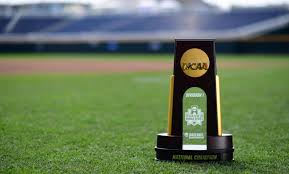
One game, 27 outs, and two very different blueprints. Whichever team sticks closest to its identity and best version of itself on Monday will be the one hoisting the trophy in Omaha.