
Hunter Yurachek wants you to believe Arkansas has been wronged by the schedule-makers. The Razorbacks’ athletic director blasted the league and its TV partners over an 11 a.m. home kickoff against Georgia, framing it as a slight to the program and a competitive disadvantage stacked on top of a brutal late‑night trip to Utah. But there’s an awkward twist to the outrage: the man now tasked with leading Arkansas through that “disrespectful” window is Ryan Silverfield, a coach whose career was built on winning at 11 a.m.
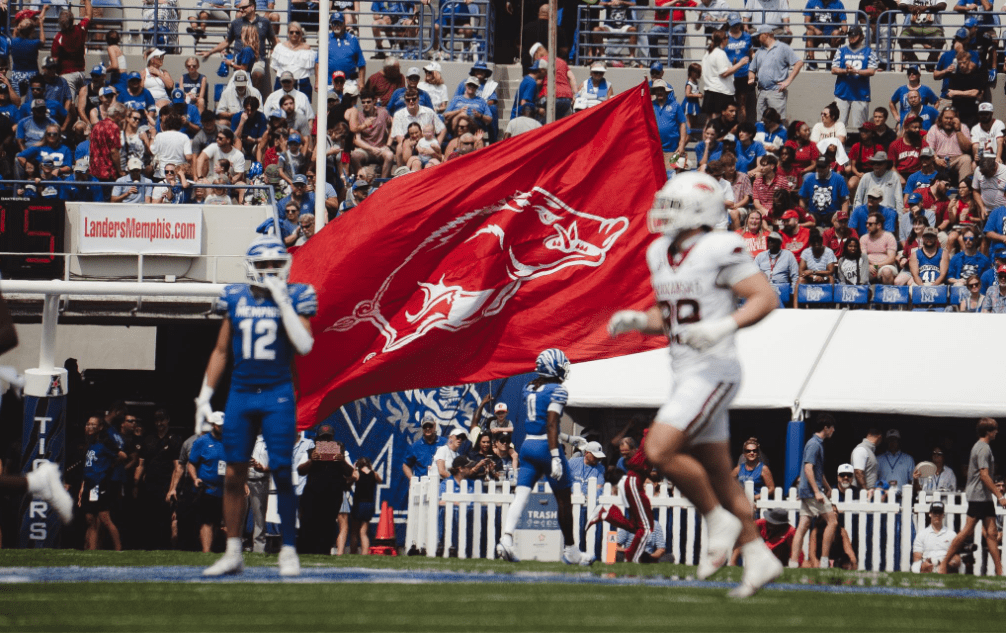
Arkansas Hates 11 A.M. Kickoffs. Ryan Silverfield Never Did.
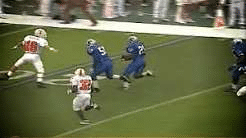
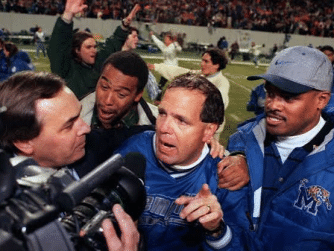
At Memphis, Silverfield didn’t just tolerate early kicks. He thrived in them. The Tigers went 13–6 in 11:00 a.m. CT games under his watch, and those weren’t empty‑calorie wins. Early kickoffs became part of Memphis’s identity: wake up, play, and put something impressive on national TV while most of the country is just settling onto the couch. Early games weren’t viewed as punishment; they were chances to grab attention, steal wins, and prove Memphis belonged in bigger conversations. Now, as Arkansas rails publicly against the very time slot that helped launch him into the SEC, the gap between brand perception and football reality has never been clearer.
Memphis Turned Mornings Into Wins
Inside the American and the broader Group‑of‑5 world, Memphis never had the power to dictate when it kicked off. When TV said “you’re at 11,” the Tigers didn’t negotiate; they prepared. Under Silverfield, they did more than just show up. Memphis stacked meaningful wins in the early window, including comfortable home victories, tricky road games, and statement nonconference results.
Those 11 a.m. games became proof of concept. They told recruits, fans, and TV executives that Memphis could handle quick turnarounds, odd rhythms, and big stages without needing the crutch of a prime‑time atmosphere. They also fit the way Silverfield talked about football. He often leaned into the idea of liking early games: less waiting around, less time for players to get tight or distracted, more chance to treat the day like a business trip. Wake up, execute, move on.
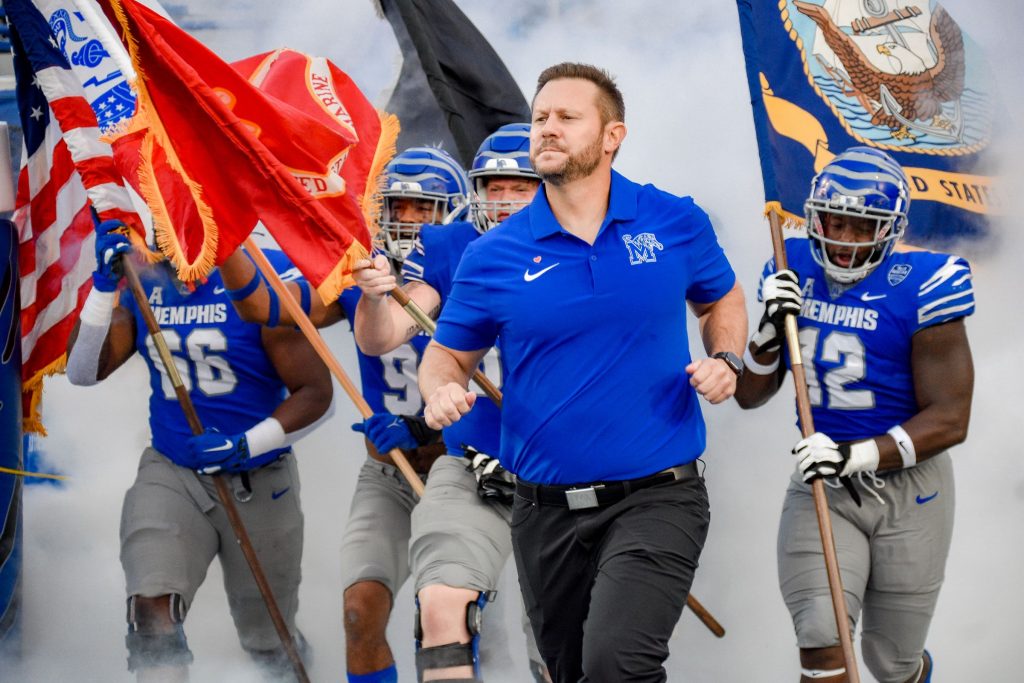
For Memphis, that mindset turned what many fan bases call “the dead slot” into a launchpad. Every time the Tigers used an 11 a.m. game to beat a named opponent or look sharp in front of a national audience, it nudged Silverfield’s reputation upward. That résumé is part of why Arkansas wanted him in the first place.
Arkansas Sees Disrespect, TV Sees a Showcase
What’s changed isn’t Silverfield’s relationship with 11 a.m. It’s the logo on his polo and the expectations around it.
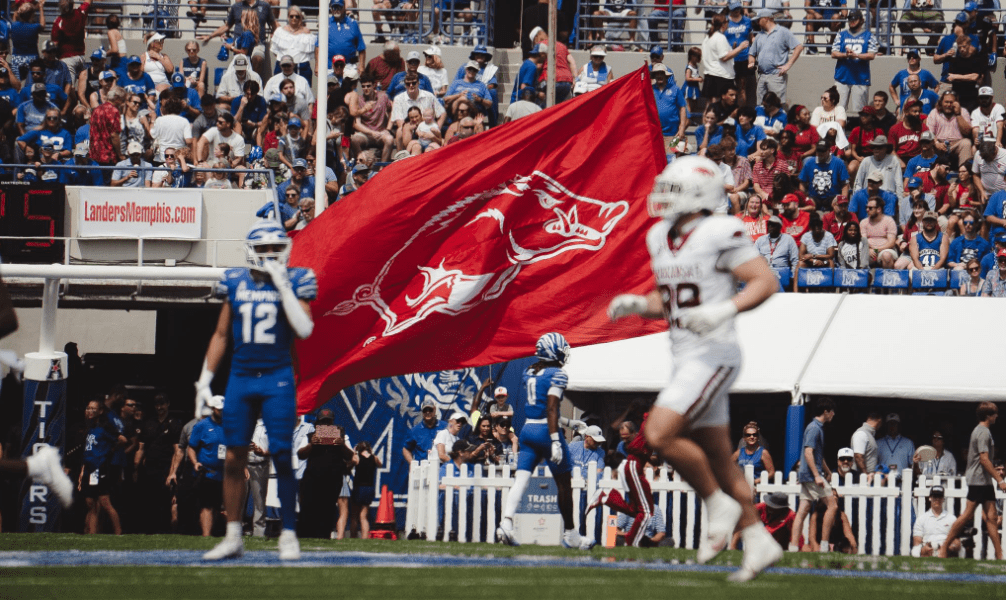
In SEC country, early kickoffs are wrapped in emotion. Fans hear “11 a.m.” and picture parking lots half full, student sections rolling in late, and top‑ten opponents getting a free pass on hostility. Athletic directors carry an additional layer of anxiety: if you’re always in the early slot, are you being treated like a second‑tier brand while rivals bask under the lights? That’s the frustration fueling Yurachek’s public comments.
But step back and look at the bigger picture. In the modern media world, the noon Eastern, 11 a.m. slot on a major broadcast network isn’t a throwaway anymore; it’s a tentpole. When a game like Georgia–Arkansas lands there on a big national channel, that’s not the undercard. It’s a game designed to start the day with a bang, in front of the widest possible casual audience.
That’s where the disconnect lives. Arkansas leadership is talking about “respect” like it’s still 2006. The TV partners are programming for 2026. And a coach who spent years turning early windows into stepping stones is now leading a fan base that treats that same window like an insult.
Silverfield Is Built for This Window
The irony is that if any coach is built to calm this storm, it’s Silverfield. His track record shows that 11 a.m. games don’t have to be traps. They can be tests of culture, discipline, and preparation. Can you handle a compressed week? Can you create your own energy? Can you treat a national audience eating brunch like the same opportunity as a crowd under the lights?
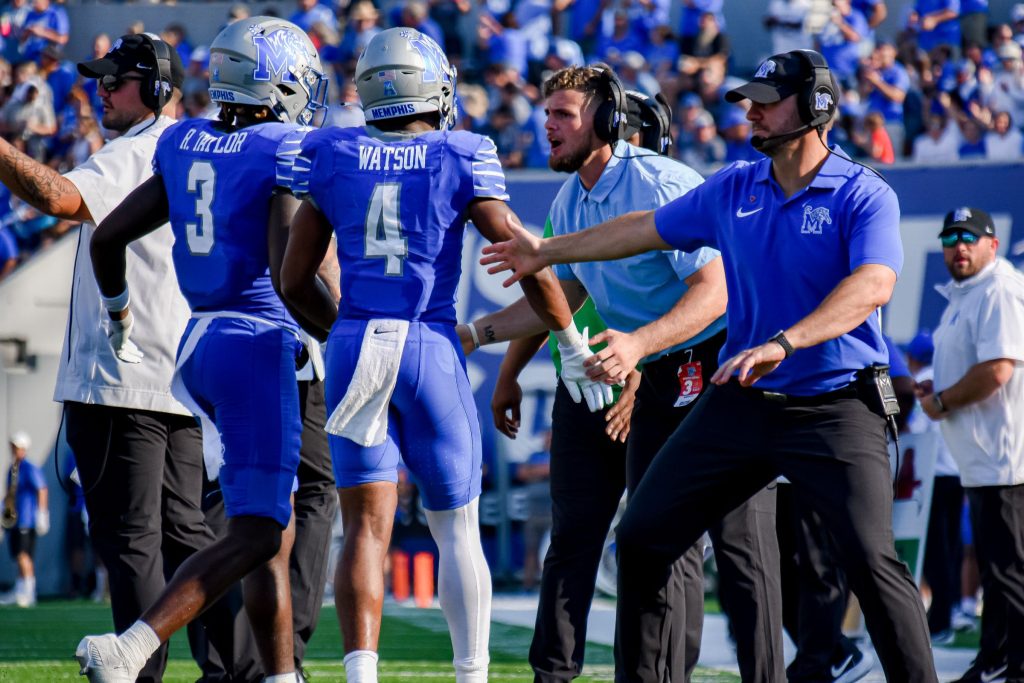
At Memphis, the answer was yes often enough to matter. Those wins at 11 a.m. weren’t just random; they were the byproduct of routine and buy‑in. Players understood that the clock didn’t decide whether they were ready. The standard did.
In Arkansas, the noise is louder, and the stakes are higher, but the underlying challenge is the same. You can complain about the time, or you can turn the time into a storyline that works for you. A home game against Georgia at 11 a.m. on a major national network is a chance to do exactly what Memphis did in a smaller spotlight: punch above your perceived weight, and do it when the entire country is watching.
That’s the national angle worth leaning into. The “disrespected” time slot that helped make Ryan Silverfield a viable SEC head coach is now being cast as an insult by the program that hired him. If Arkansas really wants to change the conversation around early kicks, the path isn’t another angry quote about scheduling. It’s letting the guy who mastered 11 a.m. in Memphis show, one more time, that football games are decided by how you play, not when you kick off.