
ULM did not just hire an assistant coach; it invited a whole philosophy into Monroe. In his recent exclusive conversation with 4 Star Sports Media, Jermaine Johnson quietly laid out a blueprint that should make people around the Sun Belt – and eventually around the country – sit up and pay attention. In that interview, he revealed what the Warhawks are really getting: a recruiter with a map, a developer with a track record, a coach with a modern lens, and a citizen who intends to be woven into the everyday life of northeast Louisiana.
Why Jermaine Johnson Makes ULM Suddenly Dangerous
What makes the conversation so important is that it strips away the usual press‑release polish. Johnson did not talk in vague clichés about “competing” and “changing the culture.” He spoke with specifics: about talent pockets in north Louisiana and south Arkansas; about the kind of player he wants to bring to the bayou; about what it looks like to run a real program when nobody is watching. For Monroe, that matters as much as any line on his résumé.
A Recruiter With a Map and a Filter
The first thing that jumps out when Johnson talks is how clearly he sees the recruiting landscape. He doesn’t treat ULM’s location as a hurdle; he treats it as an advantage. He described the Monroe–West Monroe–Ouachita Parish area and the nearby stretch of northeast and southwest Louisiana as a true hotbed for long, athletic players. That’s not booster talk. It comes from years spent in gyms along that corridor, from south Arkansas down through north Louisiana and over into west Tennessee.
Because he already knows the high school and grassroots coaches in those pockets, he arrives without the usual learning curve. Monroe is getting a recruiter who can walk into a gym and be recognized, not introduced. That matters in battles where relationships decide who gets a visit and who doesn’t. It also means ULM can lean into finding players a step before everyone else, instead of waiting to see who surfaces on national lists.
Just as important is the filter he applies once he finds players. In that 4 Star Sports conversation, Johnson emphasized that he is looking for “our kind of guys” – players who fit how ULM wants to play and live, not just the tallest or the flashiest name in the portal. In the NIL and transfer‑portal era, that clarity is vital. The Warhawks cannot win a bidding war with blue‑blood brands, but they can win by identifying competitors who value opportunity, development, and real responsibility. Johnson’s voice made clear that Monroe will not just be collecting talent; it will be building a roster.

A Developer and Coach Who Raises Ceilings
Recruiting is only half the job. The way Johnson told his story, development is where his pride really shows. He talked about Melrose High School in Memphis, where he ran an inner‑city team like a Division I program: pre‑ and postgame meals, college‑style structure, standards that had nothing to do with budget and everything to do with expectations. From there to Troy to Memphis, he has consistently stepped into situations where the ceiling needed to move and helped push it higher.
At Troy, that meant turning a big recruiting class into wins, not just headlines. Those players became the backbone of multiple 20‑win seasons and helped shift how the league talked about the Trojans. At Memphis, it meant helping a proud program finally break through the wall between promise and performance, contributing to a postseason run that turned into back‑to‑back NCAA Tournament appearances. Those examples matter for ULM because they show that Johnson has lived through the hard part: translating talent into toughness and structure into March relevance.
On the board and in practice, Monroe is getting a coach who understands the modern game. He has worked under and alongside different styles and systems, which means he can help the Warhawks staff adjust quickly to the Sun Belt’s varied challenges. One night it’s a grind‑it‑out half‑court battle; the next it’s a track meet. Johnson’s experience in multiple leagues gives ULM another voice that’s already seen those scripts – and beaten them.
A Citizen and Culture‑Builder on the Bayou
Maybe the most striking piece of the 4 Star Sports conversation, though, was how much time Johnson spent talking about people and place. When he described Monroe and its campus on the bayou, he did it in human terms: the diversity of the community, the warmth of the people, the sense that the athletic department is on the rise, not just in basketball but across sports. That matters because it tells ULM fans and civic leaders that he isn’t treating this as a stopover. He plans to live here, not just work here.
He went deeper when he explained his philosophy of “ships” before championships. Before you hang banners, he argued, you have to build the daily battles, the fellowship in the locker room, the companionship with the community, the followship – that willingness to align with leadership – and the relationships that hold it all together when the ball stops bouncing. That is citizen language as much as it is coach language. It says he sees himself as responsible for Monroe, not just to the scoreboard.
You could hear it when he talked about pouring into young men, not just players. He has worked with kids below the poverty line. He has seen what a pregame meal means when it might be the best thing someone eats all day. Bringing that perspective to ULM means he will push for structure and support systems that reach beyond wins and losses. He wants to send players out of Monroe better equipped for life, not just for overtime.
Why This Conversation Should Travel Nationally
From a national vantage point, it’s easy to miss a move like this. There are no breaking news graphics for assistant hires at Sun Belt programs. But the best stories in college basketball often start with exactly this kind of moment: a coach with a real track record sitting down and, in one honest conversation, showing you who he is and what he intends to build.
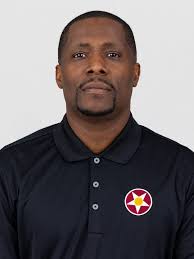
That’s why the 4 Star Sports interview is so important to what Monroe is getting. It offered a window into Johnson’s mind before the first practice whistle blew. Fans, recruits, and other coaches got to hear how he thinks about recruiting, development, coaching, and community – and how all four overlap. You could almost hear the blueprint forming as he talked through the region’s talent, ULM’s position in the Sun Belt, and his own responsibility to the bayou.
In Jermaine Johnson, ULM is not just getting someone to sit on the bench and call out coverages. It is getting a recruiter who knows where to look, a developer who has helped programs climb, a coach who understands how to win in today’s game, and a citizen who intends to invest in Monroe as deeply as Monroe invests in him. If the Warhawks become one of those tricky names everyone wants to avoid on a March bracket a few years from now, that evolution will trace back in part to this conversation – and to the decision, in a corner of Louisiana, to bet big on a builder. From now on, this is the hire people will trace it back to. The Warhawks brought a builder to the bayou. His history suggests ceilings tend to move when he walks in the door.