
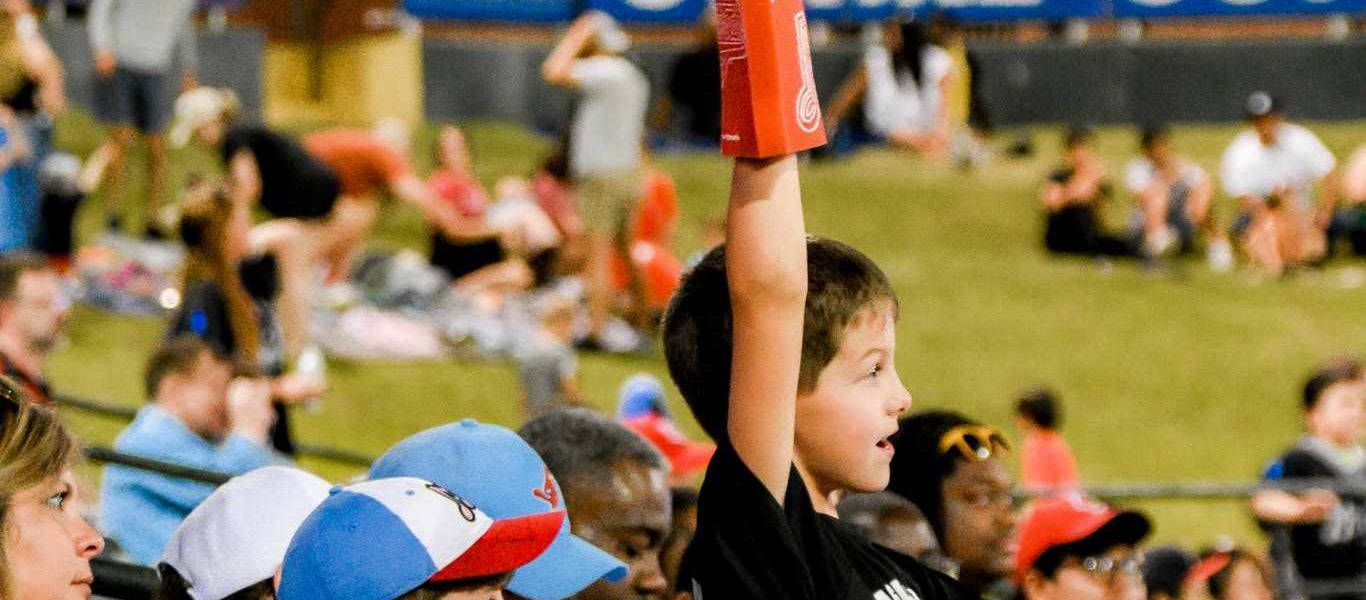
The story of a baseball season doesn’t start under the bright lights in Kansas City, Chicago, Baltimore, Denver, St. Louis, or Philadelphia. It starts on quieter nights in places like Northwest Arkansas, Springfield, Norfolk, and Reading, where buses replace charter flights and the dreams are just as big, but the margin for error is a lot smaller.
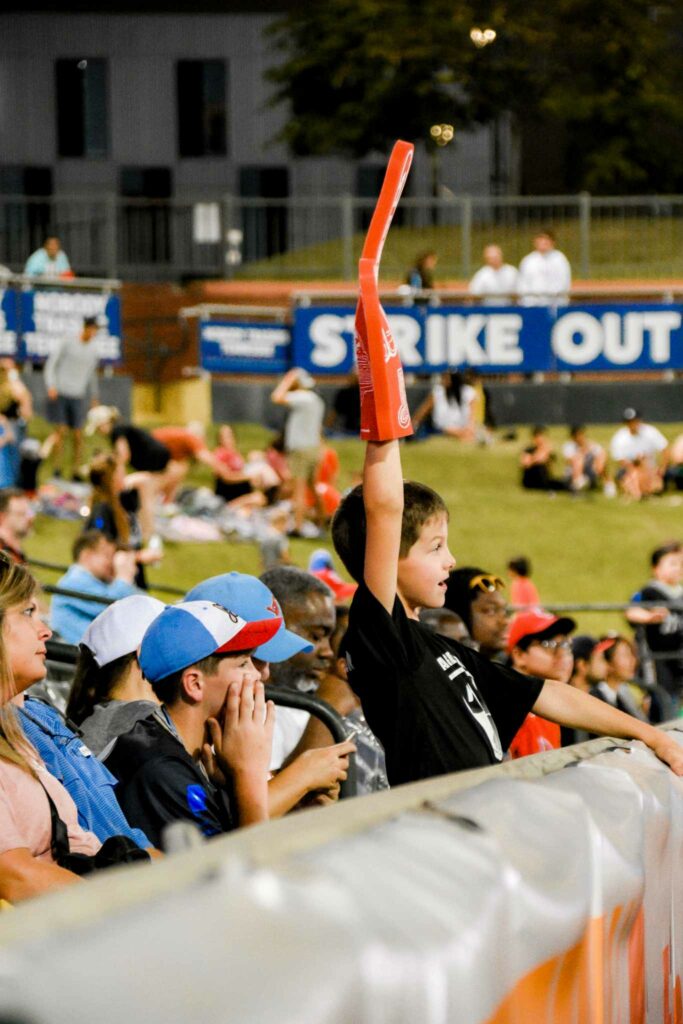
The Road to The Show: Inside Six Farm Systems
In 2026, the road to the big leagues for the Royals, White Sox, Orioles, Rockies, Cardinals, and Phillies runs straight through their AA and AAA clubhouses. If you want to understand what these organizations are trying to be over the next few years, you don’t just look at who’s batting second in the big-league lineup. You look at who’s taking the ball on a Tuesday in Springfield or stepping into the box in Birmingham after a long bus ride and a short night’s sleep.
For the Kansas City Royals, that story is written in two fonts: Omaha and Northwest Arkansas. Omaha remains the final on-ramp to Kauffman, a revolving door of bullpen arms and depth pieces who might be in Triple-A today and jogging in from the fountains tomorrow. You can feel the organization trying to build a real pitching spine here—arms who can survive both the PCL and the AL Central. Down in Northwest Arkansas, the Naturals are less about shuttling and more about shaping. This is where starter candidates are being stretched out, workloads are carefully managed, and futures are quietly decided in front of a few thousand fans and a lot of radar guns.
On the South Side, the Chicago White Sox are running a different kind of experiment. Charlotte is the holding pattern: a mix of almost-there bats and relievers who can plug gaps on a roster that’s still trying to figure out what it wants to be. But Birmingham is where the real story lives. The Barons are loaded with headline names and high expectations, the kind of group you circle on the schedule if you care about what the White Sox might look like two summers from now. It’s a classic rebuild template: stack the talent at AA, let it grow together, and then move it as a wave.
The Baltimore Orioles are in a more advanced chapter of their arc, but they still understand that everything they’re doing at Camden Yards depends on what’s happening in Norfolk and now in Chesapeake. Norfolk has become almost mythological at this point—a Triple-A roster that, in other organizations, might already be wearing the big-league uniform. It’s where logjams form and trade chips prove themselves. Just down the ladder, the newly named Chesapeake Baysox are a symbol of both rebranding and reloading. A new identity, a fresh look, and a roster packed with Top 30 prospects who know they’re one good month away from joining that Norfolk machine. The Orioles have turned the top of their system into a conveyor belt of talent; these affiliates are the gears.
Out west, the Colorado Rockies are still digging out of the kind of organizational hole that doesn’t get fixed overnight. For them, Albuquerque and Hartford are less about polishing finished products and more about searching for answers. Albuquerque remains the offensive launching pad in the thin air of the PCL, a place where numbers can lie but traits can’t. Hartford, meanwhile, is the real proving ground. That’s where you see if a pitcher can command the zone, if a hitter can handle quality spin, if someone has the mental toughness to keep going in a system that hasn’t had many easy years. The Rockies’ future will be written by who emerges from those two clubhouses with confidence intact.
The St. Louis Cardinals, on the other hand, are trying to stay the Cardinals. Their identity has always leaned on a strong, functional pipeline, and in 2026, Memphis and Springfield are tasked with keeping that tradition alive. Memphis is off to the kind of start that makes you pay attention, the sort of early-season run that hints there’s both depth and upside on that roster. Rehab stints, optioned arms, and ready-made depth pieces all flow through that clubhouse. Springfield’s role is different but just as important: the reigning Texas League champions trying to defend a title while also developing the next wave for Busch Stadium. When you return more than a lineup’s worth of familiar faces and blend them with high-end prospects, you’re not just developing players—you’re building a culture.
Then there are the Philadelphia Phillies, a contending club that treats Lehigh Valley and Reading like two ends of the same highway. The IronPigs at Triple-A serve as the emergency glass you break when the big club needs help right now, the place where veteran bats and optionable arms stay hot and ready. Reading, with its cozy dimensions and passionate following, becomes a constant swirl of movement: rehab assignments, aggressive promotions, and adjustments made on the fly. In this system, AA and AAA aren’t separate worlds; they’re a feedback loop designed to keep the big-league window open as long as possible.
Across all six organizations, one theme ties these stories together: AA and AAA are no longer just stepping stones—they’re strategic weapons. This is where you manage innings for a prized arm, where you let a young hitter fail safely, where you stash the depth that might save your season in August. These clubhouses are where philosophies are tested, where analytics meet bus rides, and where coaching staffs translate front-office vision into on-field reality.
So when you watch a Royals reliever come out of nowhere, a White Sox rookie suddenly anchor the lineup, or an Orioles arm step into a postseason spotlight, the real story started months earlier in Omaha, Birmingham, Chesapeake, or some other city that doesn’t always make the national broadcast. That’s why we’re going to be there—tracking the nightly box scores, telling the human stories, and connecting the dots between the future and the present.
Because if you really want to know where these six MLB clubs are headed, you don’t just watch the majors. You follow the road to The Show, one AA and AAA ballpark at a time.