
Nationally, sports have never felt bigger. Rights fees are through the roof, league valuations hit new records every year, and you can stream an out‑of‑market game from pretty much anywhere on earth. Scroll your phone and you are drowning in highlights, hot takes, and graphics.
The Disappearing Local Sports Beat
At the local level, something very different is happening, and it barely registers until it is gone.
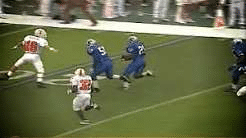
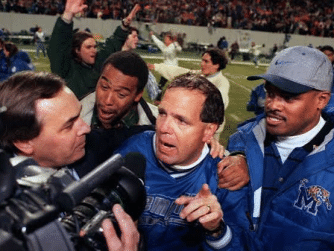
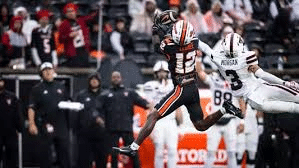
Sports desks in small and midsize cities are shrinking or vanishing outright. Beat writers who used to spend every day at the ballpark or practice facility are being reassigned, laid off, or replaced by wire copy and aggregated quotes. High school box scores go unreported. Mid‑major college programs lose the only reporter who knew the AD’s cell number. Minor‑league teams, the lifeblood of a lot of communities, see their coverage reduced to occasional features when someone hits for the cycle or throws a no‑hitter.
On paper, it looks like a simple business decision. Local papers are under pressure, everyone is cutting costs, sports is “just” one section among many. In reality, the loss is much larger than missing a gamer or two.
Local sports writers are the historians of a region’s games. They are the ones who remember what the gym felt like the last time the high school made state, who can tell you when the college last had a first round pick, who understand why a minor‑league ballpark is the unofficial town square every summer. They connect generations, putting a kid’s breakout night in context with his dad’s or his aunt’s glory days.
They are also, quietly, some of the only watchdogs a sports community has. When a high school coach crosses a line, when a college program fudges grades, when a team owner dangles moving the franchise unless the city pays for a new stadium, it is the beat reporters and columnists who dig into the details and make sure someone is holding those decisions up to the light. Without them, there are fewer questions asked at press conferences, fewer public records requests, fewer uncomfortable stories that force change.
The internet can give you more sports content than you could ever consume, but it cannot replicate a dedicated reporter who knows the backup left guard’s story as well as the star quarterback’s. Social media can pass around highlights, but it cannot show up at a school board meeting when a coach’s job suddenly appears on the agenda.
We notice when a superstar gets traded. We notice when a league signs a billion‑dollar TV deal. We barely notice when a city loses the person who has been telling its sports stories for twenty years, until a scandal breaks, or a record falls, and we realize there is no one left who really knows how we got here.
If you want to know what sports feel like to the people who actually live where they are played, the disappearance of the local sports beat might be the biggest story nobody is talking about.