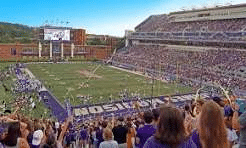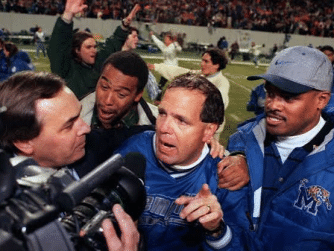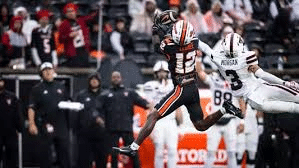

For decades, spring games were the unofficial bridge between January and September, a chance for college football fans to walk back into their stadium, see the new quarterback spin it for a few series, and convince themselves that this was the year everything clicked. In 2026, that tradition is starting to feel like an endangered species. More and more power programs are choosing not to televise their spring scrimmages, and some are barely staging them at all.
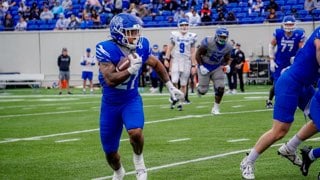
College Football Is Secretly Killing Spring Games
Alabama is the clearest symbol of the shift. When a school that once turned its spring showcase into a made-for-television event begins to pull back, people notice. For the second straight season, the Tide and a cluster of other power programs have opted out of the old model, no big broadcast, no full-speed public scrimmage, no easy content for fans and media. Coaches point to two main reasons: injuries and the transfer portal. They do not want starters, especially in thin position groups, risking a ligament in what amounts to a show, and they do not want backups putting their full game tape on display for rivals to shop.
There is logic in that, but there is also a cost. Spring games once served as a pressure release valve, an outlet for fan bases that live on recruiting tidbits and workout videos for most of the offseason. They were also an evaluation tool for coaches, not because of the plays on the field, but because of how players handled a stadium, a crowd, a day with a slightly different weight. Taking that away might make some staffers sleep better in April, but it also makes Saturdays in the fall feel further away.
Not everyone is surrendering the date. In Florida, Jon Sumrall is leaning into experimentation, trying to make the spring event feel fresh instead of fragile. He has tweaked formats, borrowing bits and pieces from high school all-star games and creative scoring systems that reward the defense for stops and turnovers, creating something that feels competitive enough to interest players without putting them into full regular-season situations. His approach reflects a reality many coaches quietly admit: if you cannot sell the spring game as meaningful, you will not keep fans engaged.

The bigger picture is that college football itself is changing underneath the surface. The portal calendar has shifted, the schedule is expanding, the playoff is growing, and coaches are trying to protect every inch of practice time they have left. In that environment, the idea of rehearsing a fake game for cameras begins to feel wasteful to some of them. Fans, understandably, do not see it that way. From their perspective, yet another connection point to the program is being removed.
So this April becomes a referendum of sorts. If attendance and interest crater at the schools that still hold traditional spring games, athletic directors will take notice. If, on the other hand, places that keep the doors open and the cameras rolling see value in the engagement, there is a blueprint for survival. The spring game might never fully die, but it is absolutely being reshaped by risk, by money, and by the quiet calculations that now dictate every move in the college game.