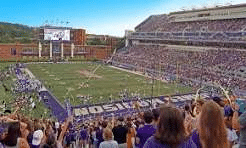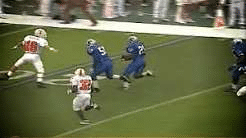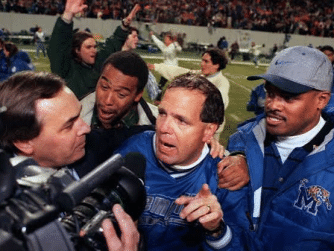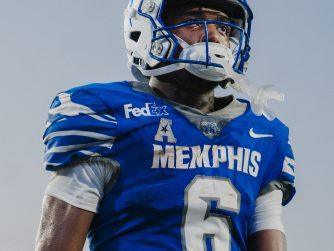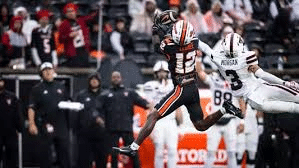

In many spring events, special teams are treated as a break between the real action. Under Charles Huff at Memphis, they are treated as a third phase that can decide games as surely as any play on offense or defense. The way Huff built his special teams staff makes that clear.
Special Teams Staff, Hidden Yardage, and SpringFest’s Third Phase
At the center of that phase is special teams coordinator Tim Conner. This is not a part-time responsibility for a position coach; it is Conner’s full-time job. Huff wanted someone whose entire focus is on the kicking game, structure, personnel, schemes, and mindset. Conner brings that focus, along with experience from multiple programs where special teams were expected to matter.
Conner is responsible for every core unit, punt and punt return, kickoff and kickoff return, field goal and point after, and field goal block. For each of those, he works with offensive and defensive position coaches to identify the right mix of starters, key rotational players, and up-and-coming young talent. Huff has been clear with his roster, if you want more snaps on offense or defense, you often earn that trust first by dominating on special teams.
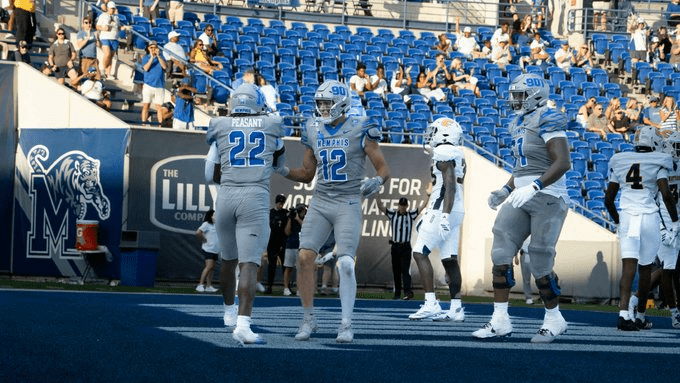
Supporting Conner is a group of analysts and quality control coaches who study opponent tendencies and help design weekly plans. They look at how opponents punt, where they like to place kickoffs, how they protect their field goals, and where seams might exist in coverage. The strength and conditioning staff is also involved, making sure the physical demands of covering kicks or holding up in protection are baked into the off-season and in-season training plan.
SpringFest 2026 is the first big stage for this philosophy. Fans will see Conner run dedicated periods where every detail matters. On punt, the staff will evaluate snap to kick times, protectors’ technique, gunners’ releases, and the way returners track the ball and make decisions. On kickoff, they will watch lane discipline, leverage on the football, and tackling form. On kickoff return, they will test schemes designed to create space and see which returners hit creases decisively. On field goal and extra point, they will stress operation speed, protection assignments, and the field goal block unit’s ability to generate push without jumping offside or losing contain.
Conner’s presence during these segments will be obvious. He will be coaching hard between reps, grabbing players for quick corrections, resetting groups to rerun looks, and speaking with the urgency of someone who knows these plays decide games. Huff wants the intensity on special teams to match what fans see on third down or in the red zone on either side of the ball.
For players fighting for roles, special teams at SpringFest is a live audition. A young linebacker or defensive back who covers kicks with discipline and physicality might climb quickly on the depth chart. A receiver who blocks with effort on punt return shows he can be trusted. A running back who picks up twists on field goal protection proves he can handle complex assignments.
For fans, watching special teams at SpringFest is a quiet way to measure how serious this new era really is. If units substitute cleanly, line up quickly, and rarely look confused, that reflects teaching. If starters are on coverage units and on return teams, that shows buy-in. If mistakes are corrected immediately, that shows standards.
In a conference where margins are often a single score and a handful of plays, Huff believes special teams can tilt the field and the outcome. By giving Tim Conner the authority and resources to own that phase, and by making it a visible priority at SpringFest 2026, Memphis is sending a clear message. Every yard counts, every phase counts, and the third phase will not be treated as an afterthought.