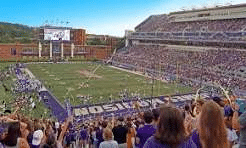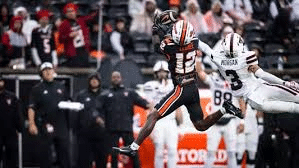

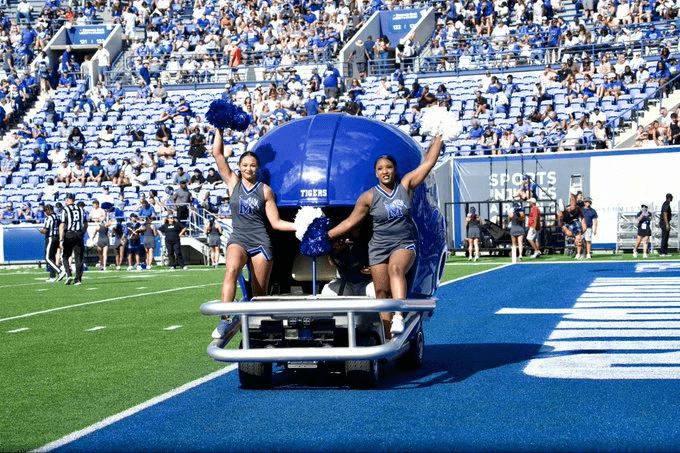
Memphis Tigers fans have never needed winning records, national rankings, or championship banners to show up. Their loyalty has always run deeper than standings, deeper than trends, and deeper than any single season’s outcome. For decades, Simmons Bank Liberty Stadium has filled with people who believe in the blue and gray regardless of what the scoreboard promises. Their devotion shaped the identity of the program long before modern upgrades, long before social media chatter, and long before Memphis football gained national recognition. These fans stood firm through storms, literal and figurative, creating an atmosphere that kept the program alive even when wins were scarce.
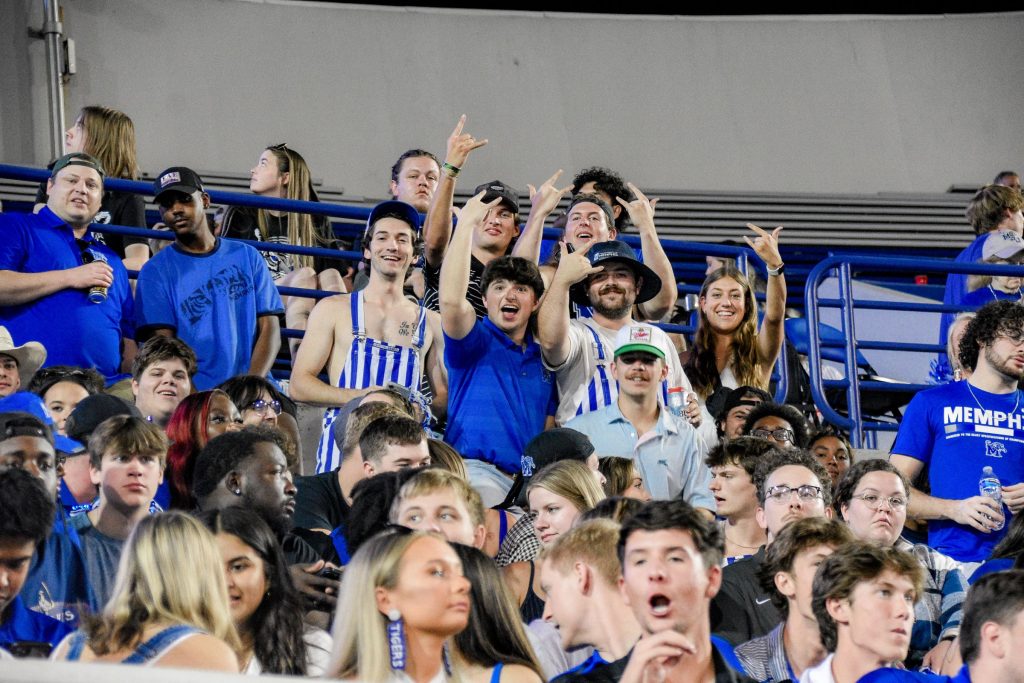
In the 1980s, when Memphis football hovered around four-win seasons, the stands still pulsed with energy. Crowds topping forty thousand routinely gathered on crisp fall evenings, bundled in jackets and waving flags that rippled beneath stadium lights. Families fired up smokers hours before kickoff, filling parking lot A with clouds of fragrant barbecue smoke. Children played tag around parked RVs while adults swapped stories about former players and classic matchups. Fans arrived early, stayed late, and made every game feel festive, even when expectations for the season were modest.
The 1990s tested that loyalty even further. Seasons with three or four wins became familiar, and upper deck sections sometimes hovered at half capacity, yet the spirit never faded. The marching band blasted “Sweet Caroline” with the same enthusiasm each week, lifting spirits even when the scoreboard couldn’t. Rivalries with Ole Miss kept passion burning bright, drawing fans who circled the date on their calendars months ahead. Liberty Bowl games continued to surpass sixty thousand attendees, even when Memphis entered as the underdog. Supporters showed up because the stadium felt like home, not because the standings demanded excitement.
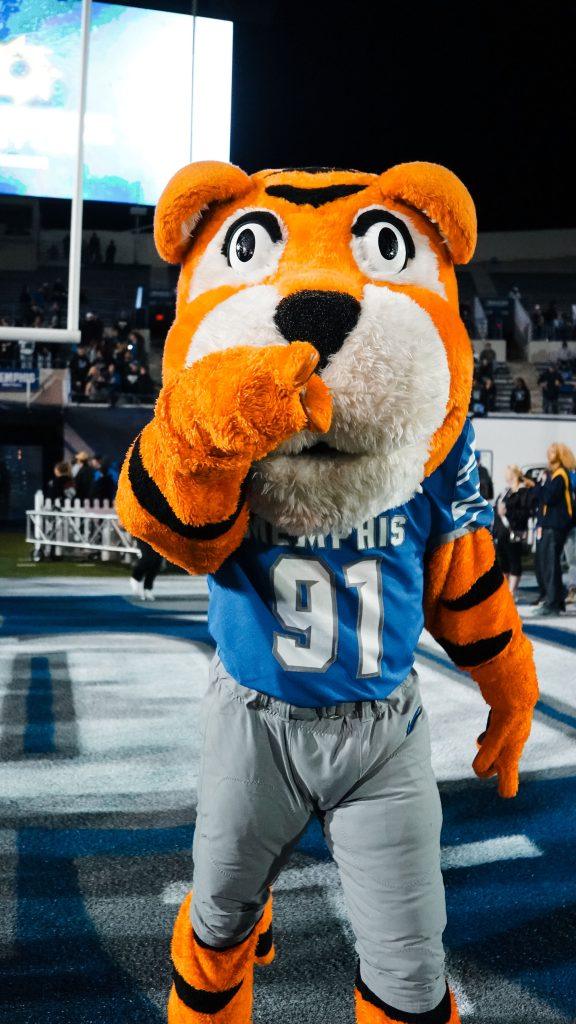
Tradition often carried fans through those challenging years. Grandparents handed down worn season-ticket booklets to their children and grandchildren, creating generational bonds that tethered families to the stadium. At the gates, older supporters shared memories of historic upsets, standout players, and freezing nights transformed by collective thrill. These stories flowed like the Mississippi River—steady, timeless, and distinctively Memphis. With every passing season, the culture deepened. Fans didn’t simply watch games; they preserved the spirit of the program through their presence, forming the backbone that kept the stadium vibrant.
Even the early 2000s brought limited success on the field. Seasons floated between average and difficult, rarely capturing national attention. Still, thirty-five thousand fans arrived for games like the 2005 matchup against UCF, unfazed by rain or gloomy forecasts. They packed the stands in ponchos and waved flags from the upper decks with unabated pride. The band delivered energetic halftime shows that sparked cheers regardless of the halftime score. Word of mouth, local radio, and shared community pride kept turnout strong. Attendance became a badge of honor for fans who refused to abandon their team.
This reliable support shaped the program’s identity long before major renovations or the recent stretches of winning seasons. Fans built the stadium’s soul through decades of unwavering commitment. They stayed when others might have walked away, viewing each season as another chapter in a long-running story that belonged to them. Their chants, banners, and familiar game-day rituals created a sense of continuity that anchored the university’s culture. The stadium’s energy pulsed from section to section, carried by people who believed their presence mattered even when results fell short.
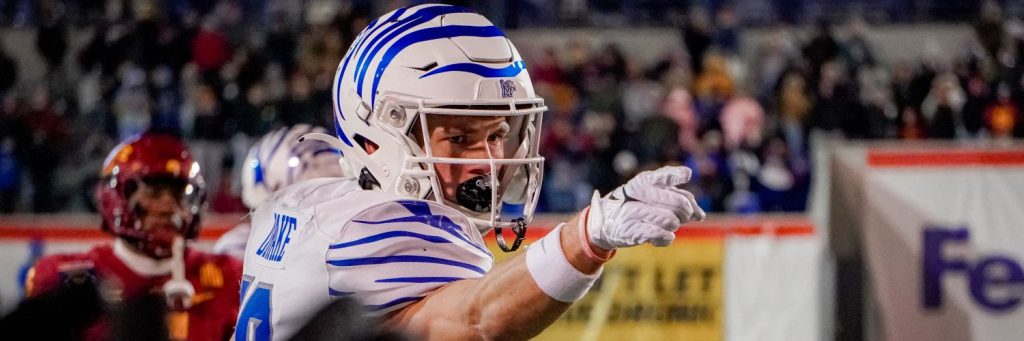
As modernization efforts began transforming the Liberty Bowl, administrators recognized the importance of honoring that loyalty. Renovated concourses now feature plaques commemorating the biggest crowds in stadium history, reminding visitors that attendance records weren’t flukes—they were built on decades of dedication from fans who showed up no matter what. One of the most celebrated moments came during the 2010 East Carolina game, when more than sixty-two thousand spectators filled the stadium. That turnout wasn’t fueled by a championship chase; it was fueled by the steady devotion that defined the Memphis fan base.
The impact of that unwavering support extends far beyond attendance numbers. Players often describe the crowd’s energy as a deciding factor in choosing Memphis, recalling the unique electricity they felt during visits or on Saturdays under the lights. Coaches praise the reliability of the fan base, noting that even in challenging seasons, the stands remain fuller than expected. For young fans attending their first game, the atmosphere creates memories they never forget. For longtime season-ticket holders, the stadium feels like a second home. Together, they form a living tapestry woven from pride, loyalty, and generational passion.
Today, the modern era of Memphis football continues to be shaped by the fans who never left. Their voices echo through new sound systems, their traditions flourish in renovated plazas, and their passion fuels the team’s climb toward greater success. As attendance grows and national awareness expands, the foundation remains the same: a loyal community anchored in blue and gray. Their history enriches every game day, blending nostalgia with anticipation. They show up early, stay loud, and cheer with conviction. Their presence transforms the stadium into something unforgettable.
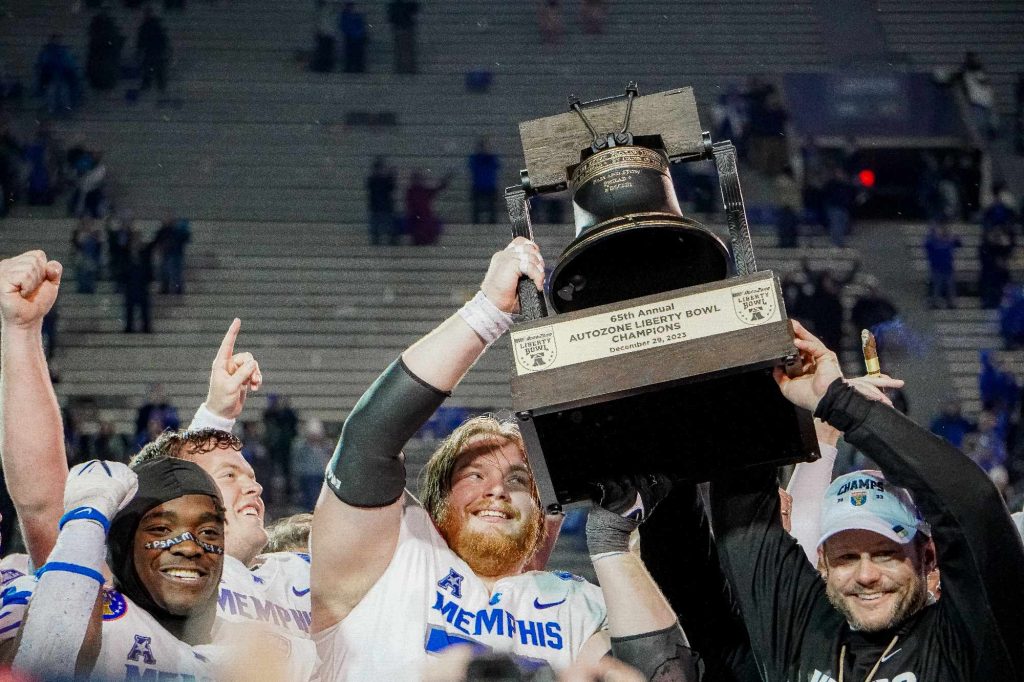
These fans proved that loyalty isn’t defined by standings or convenience but by belonging. Through lean years, rainy nights, difficult losses, and rebuilding eras, they carried Memphis football on their shoulders. Their unwavering commitment preserved the stadium’s heartbeat long enough for new generations to witness the resurgence now unfolding. They are the architects of the program’s identity, the faithful who powered every milestone. And as the Liberty Bowl continues its next chapter, the story still belongs to them—the fans who never left and never will.