


Follow the money, and it will tell you where college football is headed. Right now, that trail runs through three powerful streams: College Football Playoff payouts, NIL and revenue‑sharing inside programs, and a surprisingly meaningful slice from EA Sports’ rebooted video game.

Inside College Football’s New Money Game
Start with the Playoff. Under the current structure, every one of the 12 CFP teams receives a multimillion‑dollar payout just for making the field. Teams that advance pick up more for reaching the quarterfinals, even more for the semifinals, and another big check for playing in the national title game. On top of that, schools receive substantial expense money for each round to cover travel and operations, plus a bonus tied to academic metrics for each bowl‑eligible team.
That creates a simple reality: making the playoffs isn’t just a trophy chase; it’s a financial engine. A deep run can be worth well into eight figures in direct distributions and expense money once you add up the rounds. For conferences and schools, that’s fuel for facility upgrades, staff raises, and, increasingly, supporting the NIL infrastructure that keeps rosters competitive. Even if the money isn’t supposed to flow directly to collectives, everyone in the sport understands that success on the field makes fundraising easier off it.
Layered on top of the CFP is a new, more structured NIL and revenue‑sharing environment. The legal and settlement landscape is pushing schools toward direct, regulated revenue‑share payments to athletes, with third‑party NIL deals reserved for more traditional marketing and business uses. That doesn’t mean the end of NIL – it means the wild‑west era of unregulated collectives bidding for entire position groups is giving way to something that looks more like a professional salary cap. Schools will have to decide how to allocate restricted pots of money across sports, positions, and star power.
Then there’s the video game. EA Sports College Football 26 is more than nostalgia – it’s a live revenue stream. All FBS schools opted into the game under a model that pays out royalties based on how often players use each team. A sample breakdown that’s been discussed around the industry imagines a royalty pool being split according to usage: if millions of games are played and a school accounts for a certain percentage of those picks, it receives that same percentage of the pool.
That’s not Playoff money, but it’s nothing, either. It rewards schools that have built big, engaged fan bases – not just winners. If your team has a national brand, iconic uniforms, or a fun style of play that gamers flock to, the game sends you more cash. It also completes a three‑way loop: win games, and you get CFP money; build a recognizable brand, and you get game money; assemble star‑powered rosters with NIL and revenue share, and you make it easier to keep both pipelines flowing.
Players are part of this ecosystem too. In the previous edition of the game, EA paid players a flat appearance fee plus a copy of the game, with total distributions to athletes and schools combining into an eight‑figure outlay. Those checks are expected to rise as part of the move toward formalized revenue sharing. It’s not life‑changing money, but for most athletes, it’s a tangible, recurring benefit of being on a roster – one more thing that separates college football now from what it was even five years ago.
The real tension in the money game is between the schools that can touch all three revenue sources and those that can’t. Bluebloods in the SEC and Big Ten stand to profit most from recurring playoff access, huge TV deals, and heavy usage in the video game. Mid‑tier programs and Group of Five schools may still cash respectable TV and bowl checks, but the gap widens if they can’t break into the playoff or build the kind of national brand that gamers gravitate toward.
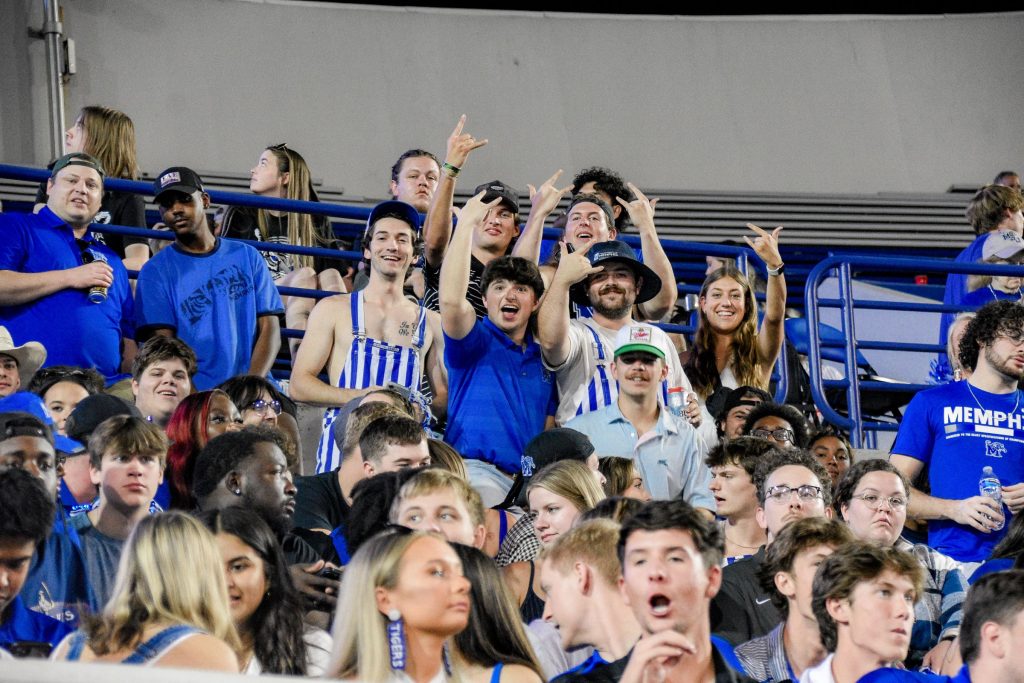
For fans, this new economy shows up in subtle ways: kickoff times slotted around TV windows, realignment decisions that make more sense to accountants than to alumni, star players staying an extra year because a mix of NIL and future revenue share makes it worthwhile. For coaches, it turns roster management into cap management – balancing high‑value positions, developmental players, and the reality that some of your best athletes may be worth more to your school than they are to the NFL.
We can still romanticize rivalry games and marching bands on Saturday afternoons. But the sport has never been more defined by the balance sheet than it is right now. The programs that understand how Playoff payouts, NIL, and revenue share, and EA’s royalty checks fit together are the ones most likely to own the late 2020s. Everyone else is playing catch‑up in a money game that’s getting more complicated by the season.