
The Kentucky Derby is usually described as a horse race, but that definition is too small for what Churchill Downs becomes on the first Saturday in May. The Derby is a tourism engine, a wagering showcase, a television event, a branding platform, a style exhibition, and a civic ritual layered over a 1 1/4‑mile contest for 3‑year‑old Thoroughbreds. To understand why the race still matters in 2026, it helps to look beyond the winner and study the forces that shape Derby day from the first morning weather report to the final betting totals.
Start with the variable nobody can control. Louisville in early May is generally comfortable, with typical highs in the 70s and lows in the 50s, conditions that sound ideal for a spring sporting event. But those averages mask the volatility of Derby week, because the city also sits in a pattern that can produce sudden rain, thunderstorms, and rapidly changing track conditions. Many Derby days have seen measurable rain or at least the threat of it, which is one reason weather is never a side note at Churchill Downs. It is part of the story every year.
Track condition can change the race as much as any contender. On a fast track, handicappers tend to trust form more confidently because the surface is expected to play closer to what horses showed in recent prep races. A sloppy or sealed track introduces uncertainty, sometimes advantaging horses with proven wet‑track form and sometimes turning the Derby into a survival test for animals who have never truly handled mud in top‑level company. Trainers have to think about shoes, warm‑up routines, and how much kickback a young horse will tolerate, while jockeys may adjust tactics to avoid being trapped behind a wall of spray and dirt. The weather in Louisville does not just change wardrobe plans; it changes race geometry.
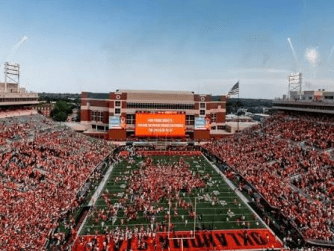
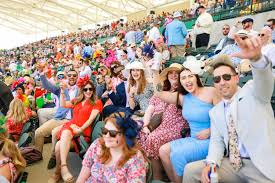
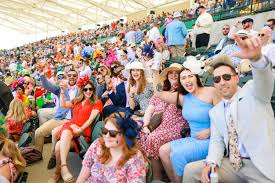
That same forecast shapes the fan experience. A sunny Derby highlights spring fashion, rooftop hospitality, and postcard images of Churchill Downs. A wet Derby reveals a different side of the event, one closer to a football Saturday played in bad weather, where the infield gets louder, the footing worsens, and improvisation becomes part of the charm. The split‑screen nature of the Derby is always present, but rain tends to sharpen it: premium spaces retreat into comfort, while general fans absorb the elements and make the day memorable in a completely different way.
Then there is the money. Derby‑day wagering has climbed into the hundreds of millions of dollars, and Churchill Downs Inc. has repeatedly pointed to record betting activity and Derby‑week demand as major drivers of its business performance in recent years. That betting volume matters because the Derby functions as racing’s broadest front door. Millions of casual viewers who will not touch another stakes race all season are willing to place a win bet, an exacta, or a trifecta on the most famous Saturday in the sport. For the industry, the Kentucky Derby is not only a championship race; it is an annual customer acquisition event.
The betting menu helps explain that appeal. A newcomer can engage with a simple win, place, or show ticket, while experienced players can build exactas, trifectas, superfectas, and multi‑race wagers that turn one opinion into a larger strategy. The oversized Derby field, the national TV audience, and the large pools create an environment where long shots can become especially attractive because even a modestly contrarian ticket can return meaningful value. That same complexity is what makes the race so addictive to handicappers and so approachable to casual fans: everyone can enter at a different level of sophistication.
Television remains just as important. The 2025 Kentucky Derby averaged around 17–18 million viewers across NBC and Peacock and peaked at roughly 21.8 million, the largest audience for the race since 1989. Those numbers are striking because they arrived in a fragmented media environment that routinely erodes mass audiences. The Derby still breaks through because it offers urgency and ceremony in one package. Viewers know when it starts, understand that they cannot meaningfully time‑shift it, and recognize the visual cues instantly: the Twin Spires, the flowers, the hats, the overhead shots, the call to the post.
That reach extends far beyond the track. Louisville benefits from the Derby as a weeklong economic event, with hotels, restaurants, transportation services, retailers, and hospitality groups all tied into the surge of visitors and corporate guests. The city’s identity is inseparable from Derby season, and the race functions as both a civic showcase and a business convention disguised as a sporting event. Brands want access because Derby coverage spills across sports, lifestyle, food, fashion, gambling, and local news all at once. Few American events offer such a broad and varied media footprint.
The culture around the race is part of that business success. Derby fashion is not incidental decoration; it is part of the product. Mint juleps are not just drinks; they are a branded ritual. The blanket of roses is not merely an award; it is a ready‑made symbol built for photos, highlights, and sponsor integration. Even the divide between the infield and the premium grandstand helps the Derby, because it allows the event to sell both exclusivity and accessibility, refinement and release, all within the same venue.
Still, the Derby’s scale guarantees scrutiny. The event’s business success sits beside ongoing debates over horse safety, medication standards, and the long‑term sustainability of racing’s public image. Every record handle or ratings headline now exists alongside questions about what reforms are necessary to maintain trust. The Derby is too important to the sport to ignore those issues, and too visible to hide from them. Churchill Downs can sell nostalgia, but it cannot survive on nostalgia alone.
That tension may actually explain the Derby’s staying power. It is one of the few American sporting events that still feels old and current at the same time. The roses, the song, the hats, and the pageantry connect the race to the past, while betting apps, streaming audiences, corporate hospitality, and social media keep pulling it into the present. On Derby Day, Churchill Downs is not just hosting a race. It is staging a full‑scale American event where weather, money, culture, and competition all meet under the Twin Spires.