
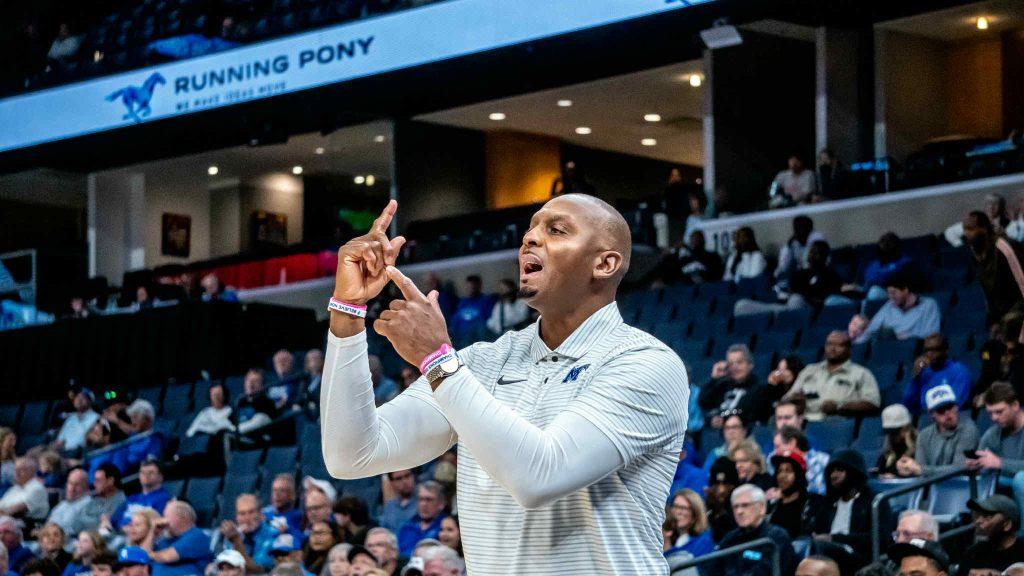
The Memphis basketball program flies into Wichita this weekend carrying more baggage than a .500 record usually explains. The Tigers are 9–9, 4–2 in the American, and technically still tied for second in the league, but the numbers don’t capture the unease around this group or this era. For those of us who have watched Penny Hardaway’s tenure up close and chronicled what we’ve called the “Memphis is worth more than a Penny” years, Saturday at Wichita State feels less like another conference game and more like a barometer of where this program is really headed.
Tulsa as a breaking point, not a blip
You don’t overreact to one road loss in January. You do pay attention when it looks like so many others you’ve seen before. The 83–66 debacle at Tulsa wasn’t just a bad night; it was a familiar script. Memphis played its way into a one‑possession game in the second half, then unraveled when the pressure rose, watching the Golden Hurricane close on a runaway, parade‑to‑the‑line finish.
This is the part that should sting in Memphis: it wasn’t a talent gap, it was a toughness and composure gap. Tulsa attacked the paint, owned the free‑throw line, and looked more connected when the game turned into winning time. Memphis, once again, looked like a team that can’t decide who it wants to be when an opponent throws the first punch.
In that context, Tulsa can’t be treated as an isolated “off night.” It’s one more log on a fire that has been building for years — underachievement, volatility, the uneasy feeling that a proud program is being held together more by sentiment and brand power than by consistent, winning habits.
A season stuck between the ceiling and the floor
The paradox of this team is that the metrics still hint at something better than 9–9. Memphis averages 74.0 points per game and allows 73.3, lives in the national top‑50 in defensive field‑goal percentage at .410, and sits among the nation’s leaders in steals, swiping 9.3 per game. When the Tigers defend with discipline and let their pressure fuel their offense, they look like the kind of group nobody wants to see in March.
The problem is that there are too many nights when the identity on paper doesn’t match the product on the floor. At FedExForum, Memphis is 8–2 and largely dependable. Away from Beale Street, the Tigers are 1–5 and unrecognizable. That split doesn’t just happen; it speaks to focus, maturity, and the ability to travel your habits, not just your bags.
This is where all those “era of Penny” conversations stop being theoretical. You can’t keep pointing to ceilings without acknowledging how often the floor caves in. The Tulsa loss pushed even some of Hardaway’s long‑time defenders toward a harder question: Is this as stable as the program can be with its favorite son in charge, or has the nostalgia experiment run its course?
The pieces that still give Memphis a chance
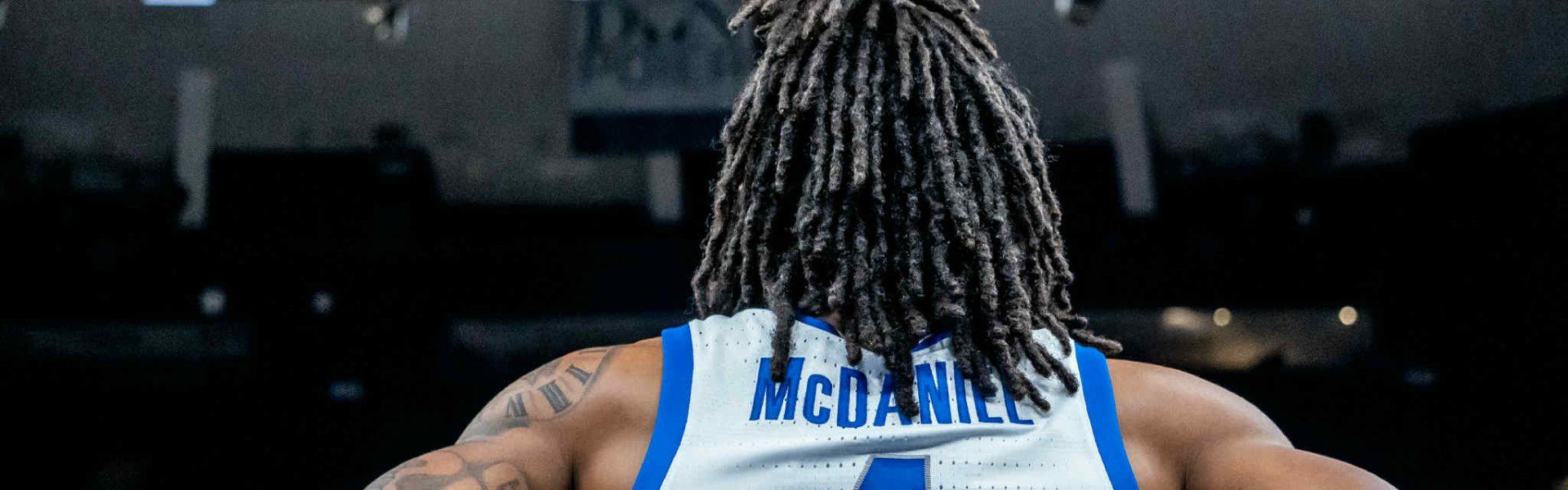
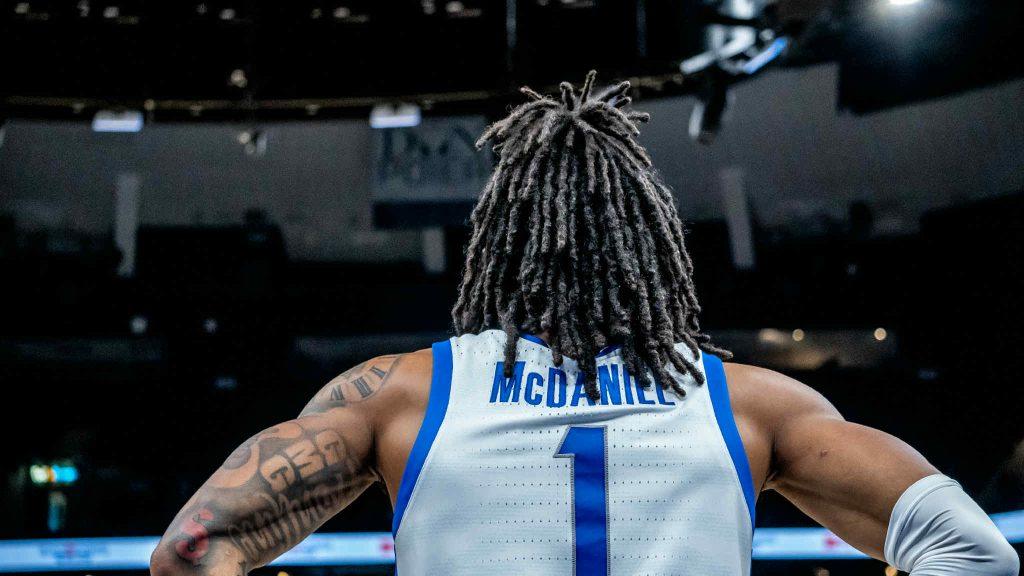
For all the big‑picture angst, there are pieces on this roster that can walk into Wichita and win. It starts with Dug McDaniel. The senior guard is the engine and the emotional thermostat, averaging 13.9 points, 4.9 assists, and 2.2 steals while shooting close to 37 percent from three and over 88 percent at the line. When he controls tempo, gets two feet in the paint, and picks his spots as a scorer, Memphis’ offense has shape and purpose.
Around him, Curtis Givens III and Aaron Bradshaw provide balance. Givens, at 9.1 points per game, is the kind of guard who can punish defenses that overplay McDaniel, and Bradshaw has quietly become one of the Tigers’ most efficient weapons, shooting 62‑plus percent from the field over the last stretch while averaging double figures and about five boards a night.
Julius Thedford’s emergence as the leading rebounder at 5.2 per game matters even more against a team like Wichita State. He’s not the headliner, but he’s the sort of worker Memphis has too often lacked in this era — willing to embrace the dirty tasks, willing to be a stabilizer on nights when the game turns into a fistfight around the rim.
And then there is Ashton Hardaway. His 5‑for‑6 barrage from deep at Tulsa was one of the few bright spots on an otherwise ugly night and pushed his three‑point percentage in league play into elite territory. For all the macro discussion about his father, Ashton’s shooting gives this roster a spacing element that can change a game in three or four possessions.
Wichita State’s blunt question: how tough is Memphis?
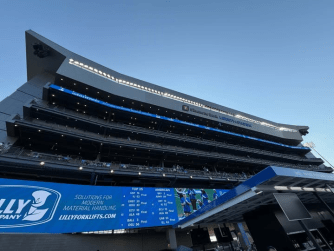
If Tulsa exposed Memphis’ composure, Wichita State is set up to test its spine. The Shockers come in 12–8 overall, 4–3 in the league, and 9–2 at home, and the building itself — a “Yellow Out” in Charles Koch Arena — will feel like a program circling this game on the calendar. This is one of those old‑school Valley‑flavored environments where you either match the energy early or spend the afternoon digging out of a hole.
On the floor, the numbers are blunt. Wichita State is one of the elite offensive rebounding teams in the country, pulling down more than 15 offensive boards a night and posting a rebounding margin that ranks among the best in Division I. That’s not a stylistic quirk; it’s an identity. Missed shots are treated as opportunities, not turnovers. If you don’t put a body on a body, you’re playing defense twice every trip.
Kenyon Giles is the headliner, a senior guard who is more of a problem than a player when he gets rolling. He’s averaging north of 18 points, has already stacked up 70 made threes, and is flirting with the kind of efficiency from deep that tilts scouting reports. In league play, those numbers only climb, and he’s living in that 20‑plus range most nights. Even his misses are dangerous. Wichita State rebounds nearly half of them, and a startling chunk turn directly into second‑chance points. That’s back‑breaking basketball for a defense that doesn’t finish possessions.
Around him, Karon Boyd and 7‑foot‑2 Will Berg give Wichita State a front line built for exactly the kind of game Memphis has struggled with: physical, relentless, willing to test your discipline on every box‑out. If the Tigers want to leave with more than another “lesson learned,” they have to treat every shot as a rebounding drill.
More than another league game
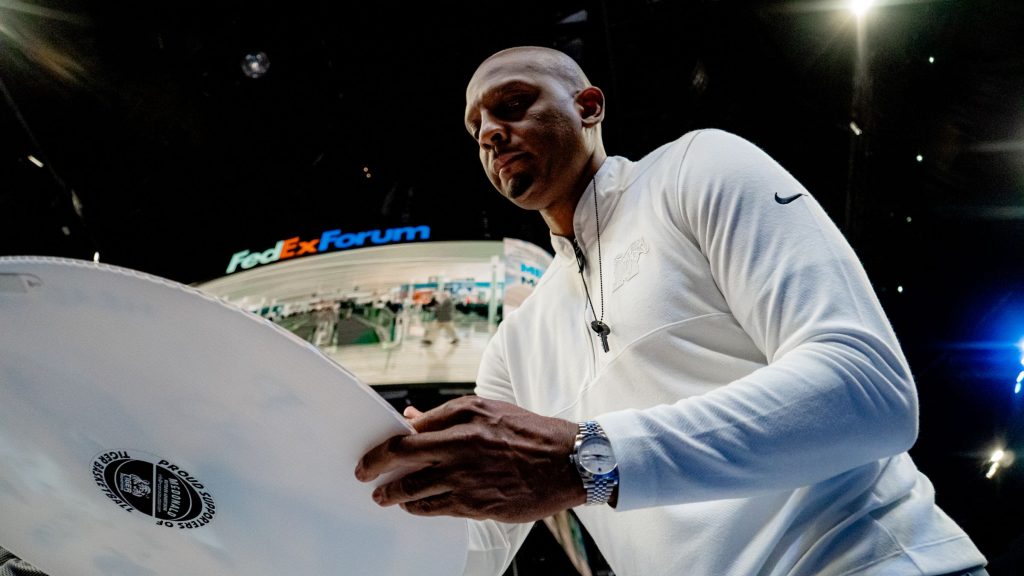
Strip away the emotion, and this is still just one Saturday in January, one more American Conference game with a national TV window and some bracket‑ology implications. But for Memphis, for Hardaway, and for a fan base that has grown tired of being told to be patient, it feels like more.
We’ve said before at 4 Star Sports Media that Memphis is worth more than a Penny — more than the comfort of a familiar face on the sideline, more than an identity built around vibes instead of victories. This afternoon in Wichita won’t decide the entire future of the program, but it will say plenty about whether this team, and this era, still has the capacity to respond when the questions get loud.
Memphis doesn’t need a perfect performance. It needs something rarer in this chapter of Tigers basketball: a tough, adult road win that looks repeatable, not accidental.