
A loaded top four, a wide‑open middle of the first round, and star‑level trade noise have turned this year’s NBA Draft into a pivot point for front offices across the league.
The Biggest NBA Draft Storylines Right Now
The 2026 NBA Draft isn’t just a night to read names off a card. It’s a referendum on how teams want to build in a league where timelines are compressing, and parity is real. Scouts have called this one of the most talent‑rich drafts in years, and the way the board breaks at the top will ripple through every front office in the league.
At the center of it all is a four‑man tier that has dominated the conversation for months: AJ Dybantsa, Darryn Peterson, Cameron Boozer, and Caleb Wilson. Depending on which mock draft you read, any one of those names can show up at No. 1, and you can find an executive somewhere ready to defend their guy as the best prospect in the class. Dybantsa has emerged as the betting favorite and the most frequent projected top pick thanks to a strong close to his collegiate season, but the draft room debate isn’t anywhere close to unanimous.
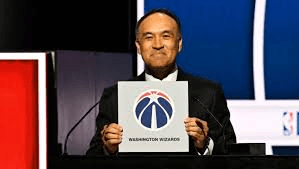
That’s where the pressure lands on Washington. After winning the lottery, the Wizards locked in the right to choose first and now have to decide which archetype they want to hand the keys to. Dybantsa is the long, dynamic wing with three‑level scoring flashes. Peterson is the attacking guard with on‑ball juice and a scorer’s mentality that some evaluators think can define an offense. Boozer brings a polished, productive frontcourt game with the feel to be an offensive hub, while Wilson is the rangy forward whose tools and versatility have kept him firmly in that top‑four conversation despite injuries.
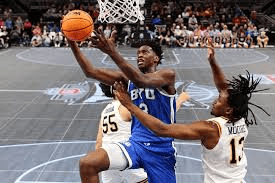
League‑wide, the real fascination starts after those four. The expectation among most draft analysts is that the top tier will be off the board by pick No. 4, and then things could get chaotic in a hurry. From 5 through the late lottery, there’s far less consensus, and that uncertainty is catnip for teams thinking about moving up, down, or out entirely. Executives are openly talking about how different their boards are once they get beyond the headline names, which is exactly how you end up with surprise slides, unexpected reaches, and trade calls flying as soon as someone falls out of their projected range.
The other layer here is how this draft connects to the broader calendar. The league has leaned all the way into its 12‑month news cycle: the in‑season tournament in November and December, a regular season that now demands real depth just to survive, and a play‑in tournament that keeps more teams in the mix later in the year. With so many franchises bunched in the middle of each conference, the margin between “we should push in” and “we should reset” is razor thin, which is why a single draft pick — or the decision to move it — can swing an organization’s direction.
Which Trades Could Shake Up the League?
If the top of the board is about philosophy, the rest of draft week is about aggression. Several teams are positioned to be catalysts for chaos if they decide to use their picks as trade chips instead of roster pieces. Oklahoma City is at the front of that list, with multiple first‑round picks and a well‑documented stash of future selections that would allow Sam Presti to jump up the board if there’s a player he views as a missing piece rather than just another young prospect.
Memphis, Atlanta, Chicago, San Antonio, and a handful of others all hold multiple picks and have already been connected to scenarios that involve packaging selections or moving up. The Bulls and Spurs each come into the night with four total picks, including a lottery slot for Chicago, which makes them natural candidates to consolidate if they prefer quality over quantity in a draft where the top tier is so clearly defined. Around them, teams in the late lottery and mid‑first are listening on deals that might allow them to move back, pick up extra capital, and still land a player they like in the teens.
Then there’s the star trade chatter. We’ve already seen this league blow up big names; James Harden, Trae Young, and Anthony Davis were among the headline players moved during the 2025‑26 trade cycle. That track record is why the national conversation keeps circling the idea of another blockbuster — frameworks that include All‑NBA‑level names being dangled in multi‑team constructions where draft picks are the glue and the reward. Realistically, those conversations tend to move more slowly than mock trades suggest, but front offices are keenly aware that a single phone call can flip their status from “patient rebuild” to “win‑now sprint.”
The more immediate and more likely wave of deals will be about teams trying to align their talent and timeline. Contenders picking in the 20s will be tempted to ship those picks for proven rotation players who can help them survive another grind of an 82‑game schedule plus Cup games, play‑in, and playoffs. Rebuilders with multiple selections might decide it’s better to turn one pick into a future asset, effectively betting that another team will be worse a year or two down the line and deliver a better lottery ticket.
For fans, that’s what makes this draft so compelling. It’s not just about which name goes on which card. It’s about how the decisions made at the top of the board, the trades in the middle, and the bets on star movement all stack together to redraw the map of the league. Depending on how aggressive front offices want to be, this could be remembered as the night that solidified a few new contenders — and quietly pushed a couple of familiar names toward the edge of relevance.