
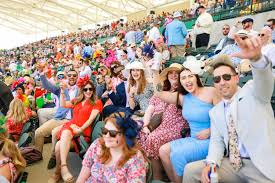
Somewhere in the roar at Churchill Downs, as Golden Tempo came flying from the back at 23–1 and a historic Derby result flipped a pile of losing tickets into one perfect story, you could believe the answer was still simple. For two minutes, it felt like sports still belonged to the people who showed up, screamed their lungs out, and lived or died with a bet.
Who Really Owns Sports Anymore?
But step back from the finish line, and 2026 makes that answer a lot harder to defend. Between media deals, funding cliffs, conference expansions, and experimental leagues, the real fight now is over who actually owns sports—and how long fans are willing to act like they do when the game keeps getting redesigned around them.
The Old Powers’ Tightened Grip
Start with the institutions everyone knows. The Kentucky Derby still looks the same from the grandstand: horses, silks, mud, and chaos. Underneath, it’s a carefully calibrated business built on handle, sponsorship, and broadcast windows. The race is a global TV product as much as it is a local tradition. Fans may feel like it’s theirs, but the shape of the Derby—start time, coverage, betting options—is dictated by people who will never touch a rail or smell the track.

College hoops is in the same boat. NCAA Tournament expansion is being sold as “access” and “opportunity,” but everyone paying attention understands it’s about adding inventory. More games mean more ad slots, more streaming windows, more ways to feed partners and platforms. Duke’s move into an Amazon-style media world isn’t just a fun crossover; it’s a signal. The biggest college brands have fully embraced that they are not just teams with fans; they are IP libraries with leverage. Schedules, tip times, and even who gets in or left out of March are now shaped as much by contracts and conference politics as by anything fans want.
Fans’ relationship with those products has subtly shifted. They still provide the emotion, the noise, the virality. But they have less and less say over the structure. You can love March Madness as it is, scream about over-expansion, and remember the Derby as something pure. The reality is that the people who own those properties in any meaningful sense are the ones who own the rights.
The New Powers Are Fragile
If the old institutions quietly consolidated power, the new “disruptors” have unintentionally revealed how delicate ownership can be when it’s built on a single funding source or a single idea.
LIV Golf arrived, telling everyone that money would fix everything. It would “free” players from the grind, force the PGA Tour to modernize, and create a team-centric, shotgun-start show that felt more like a festival than a traditional tournament. For a while, it acted like a tour that owned its sport’s future, because it had what everyone else chased: infinite checks.
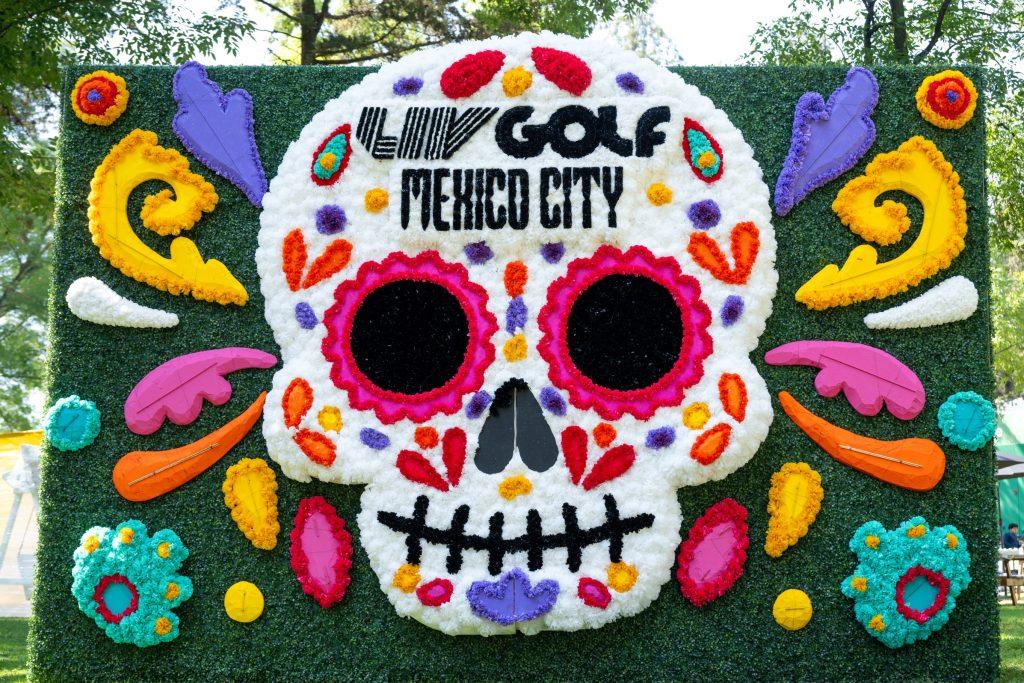
That illusion cracked the moment Saudi Arabia’s Public Investment Fund said, out loud, that it would stop funding LIV after the 2026 season. Suddenly, the league that claimed it could outspend tradition has to behave like every other sports property. It has to ask who will pay next, what kind of control they’ll demand, and whether the audience is big enough to justify the bills. In other words, it has to admit it never really owned anything except a moment in time when someone with a massive wallet decided golf was a useful project.
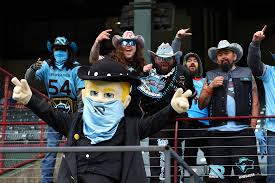
The UFL faces a different version of the same problem. On the field, it looks more real than any spring league in years. Coaches with name recognition, quarterbacks with NFL snaps, real broadcast partners, and permanent infrastructure going into stadiums. It’s doing the boring work that failed leagues always skipped. But its survival still depends on whether networks see value in filling those windows and whether investors think the return is better than the risks. The league can talk all it wants about being for fans, for players, for second chances. At the end of the day, if the people writing the checks decide it isn’t worth it, the fans and players find out how little they “own” when the lights go off.
Programs Caught In The Middle
Now drop down a level to places where the relationship between fans and their teams feels most personal: Arkansas and Memphis.
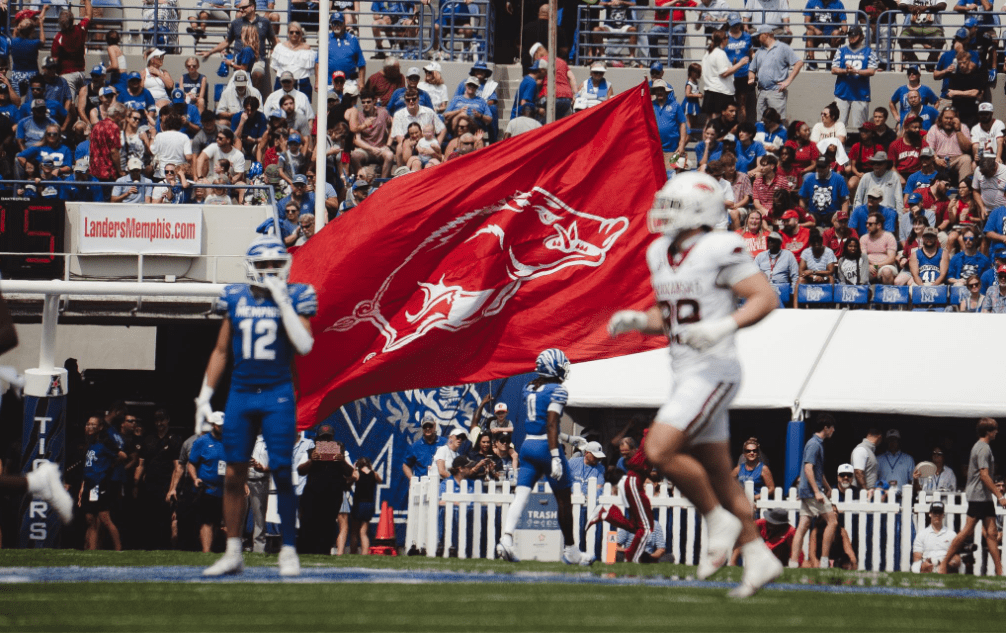
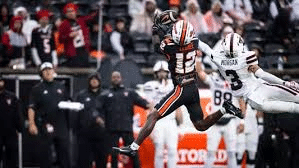
Arkansas football is everything a fanbase means when it talks about “owning” a program. It’s a state identity, a ritual, a place where people can tell you exactly where they were for games that happened twenty years ago. Yet heading into 2026, with a 2–10 season and a ten-game SEC losing streak behind it, the program is being defined by forces that live well above the stands. The SEC’s move to a nine-game schedule means fewer breathers and more punishments. NIL realities mean that money and infrastructure decide who you can realistically recruit and keep. A streaming- and TV-driven conference ecosystem means Arkansas has to fight for relevance not just on Saturdays, but in contract meetings it will never sit in.
Fans still show up. They still treat Razorback football like a birthright. But the team they love exists inside a structure that can make Fayetteville feel like a destination or like everyone’s get-right game, depending on decisions made by conference offices, media partners, and collectives. Arkansas can fight back—it hired Ryan Silverfield to do exactly that, to rebuild identity and competitiveness—but it is fighting inside a cage someone else built.
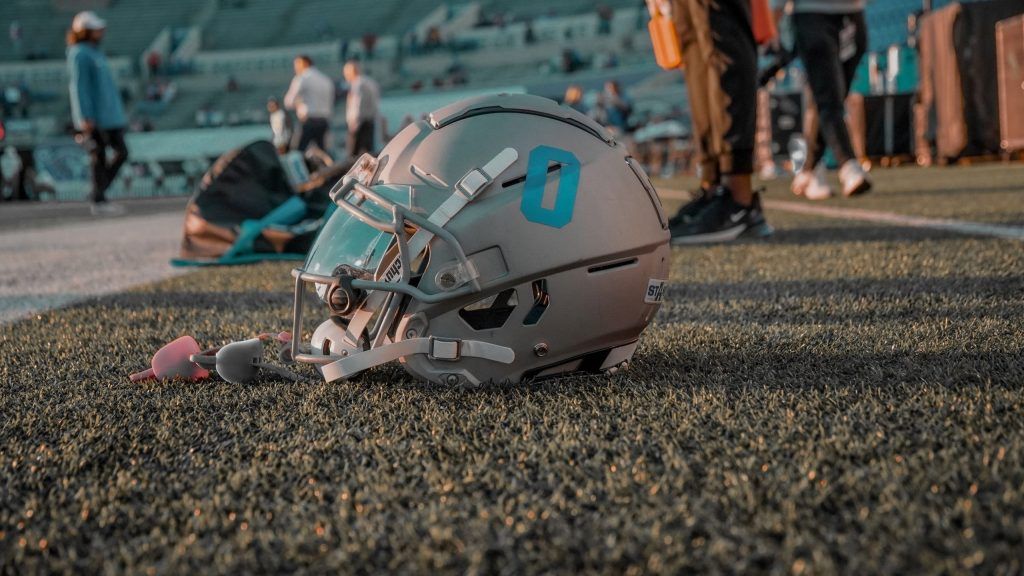
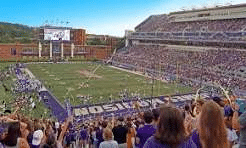
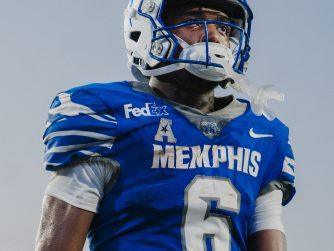
Memphis lives an even sharper version of that tension. Tigers fans pour themselves into the program, and the city’s personality bleeds into its football when things are rolling: loud, edgy, unafraid. The 901 absolutely feels like it owns the Tigers when the Liberty Bowl is rocking. But every realignment cycle and every playoff conversation has made it brutally clear who actually controls Memphis’s ceiling. It isn’t the people in the stands. It’s the people in the rooms where conference maps get redrawn and playoff access is negotiated.
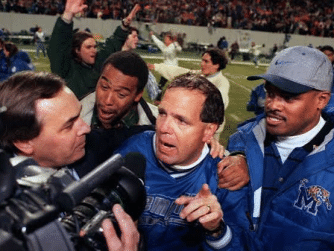
In 2026, Memphis looks good enough to run the new AAC and grab a real shot at the Group of Five playoff lane. It has a coach in Charles Huff with the energy to sell the program, a roster that hasn’t been gutted and a league that’s more open than it’s been in years. If the Tigers win big, the city will feel like it owns the story—and it will, emotionally. But whether that translates into a permanent seat at bigger tables will still be up to networks, commissioners, and power brokers who see markets and inventory where fans see identity and history.
So, Who Owns it?
The uncomfortable answer is that ownership in sports is now layered. Investors, platforms, and leagues own the structures. They decide how big tournaments get, which games matter financially, where and when events are shown, and how long experimental leagues are allowed to live. Programs and teams own the day-to-day culture. They decide whether Arkansas looks like a joke or a problem, whether Memphis is a stepping stone or a standard, whether the UFL feels like a league or a lab, and whether LIV feels like a tour or a stunt.
Fans, meanwhile, own something that can’t be measured on a rights sheet but still powers the whole machine: meaning. They decide what sticks, what gets mythologized, what feels cheap and what feels earned. They can’t stop a tournament from expanding or a sovereign fund from walking away, but they can decide whether a new product persists in their conversations once the novelty fades.
The danger is that the gap between those layers keeps widening. The more often fans are asked to emotionally invest in things that are obviously being run as short-term experiments, the less they’ll believe the next pitch. The more often they see their programs and leagues reshaped without honest explanation, the less they’ll feel like this is really theirs, even in the emotional sense.
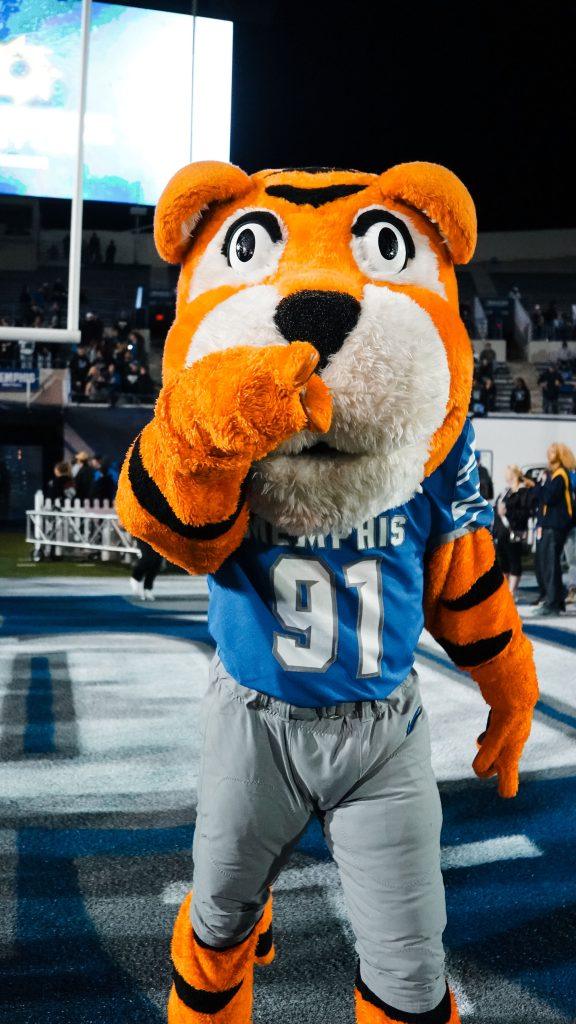
So who really owns sports anymore? On paper, it’s the usual suspects: leagues, funds, networks, streaming platforms. In the locker room, it’s coaches and players trying to build something coherent inside systems they don’t control. In the stands and on the couch, it’s fans who keep acting like this all still belongs to them, even as the ground shifts under their feet.
The real question, as this week’s stories all hinted in their own way—from Derby to Duke to the UFL, LIV, Arkansas, and Memphis—is how long that last part holds if the people with the actual power keep treating sports like an asset class instead of a shared language. Ownership might be complicated now, but trust is simple. Once it’s gone, you don’t get it back with a new logo or a streaming deal. You only get it back when the people making the bets remember who they’re supposed to be making them with.