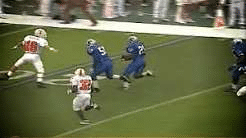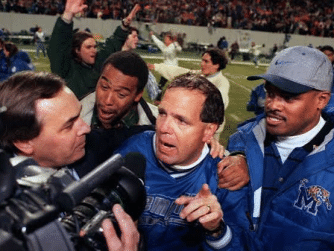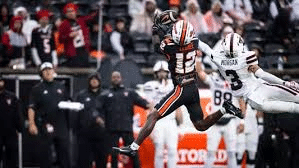

Memphis has spent years proving it can produce talent. The harder question for 2026 is whether it can finally keep enough of that talent, enough of that energy, and enough of that momentum under one roof long enough to break through. That has always been the frustration with this program. The Tigers have had explosive players, dynamic offenses, NFL names, and real moments. They have built enough juice to stay relevant and enough credibility to matter.
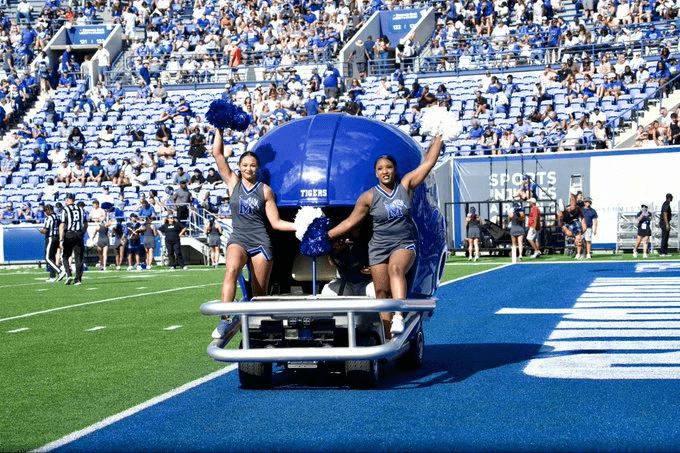
Can Memphis Keep Its Stars?
But every time it feels like Memphis is ready to stop being a good Group of Five story and become a true year‑to‑year power in the AAC, something splinters. A coach leaves. A star transfers. A season gets tripped up by one dumb conference loss. So the second big way-too-early question for 2026 is not whether Memphis has talent. It is whether the Tigers can hold onto enough of their own identity to finally turn “dangerous” into “durable.”
Own the 901
Memphis football has always had a built-in recruiting story that most AAC programs would love to own. The city has talent. The region has speed. The brand has enough local recognition that when the program is rolling, it feels like an extension of Memphis itself. That matters. Programs at this level do not have the luxury of wasting what is in their backyard. When Memphis loses local prospects to SEC logos, that is understandable. When it loses too many without a fight or without building a deeper local core, it becomes a structural problem.
That is what makes 2026 feel important. Charles Huff walks in with the kind of recruiting reputation that suggests he understands the difference between collecting players and building a territory. For Memphis to lead the AAC, it has to do more than win random portal battles. It has to make local players see staying home as a power move, not a compromise. That is the emotional test of the program. If the Tigers can make the 901 feel like a launching pad instead of a place you leave to “make it,” the ceiling changes.
The roster gives them a chance. Early depth-chart looks suggest enough returning experience and enough skill talent that Memphis can be dangerous quickly, especially in league play. But talent without local ownership only gets you so far. The AAC is full of teams capable of springing an upset. Memphis’ path to becoming the conference standard depends on becoming emotionally heavier than its peers. That is what the best non-power programs do. They do not just recruit athletes. They build a feeling around the program that makes Saturdays matter.
If Memphis truly owns its city in 2026, the benefits go beyond one season. It strengthens NIL conversations. It makes local businesses more eager to invest. It gives the staff more credibility when they talk about development, loyalty, and the platform. It also changes how realignment conversations see you. Programs that own their markets are easier to imagine in bigger rooms. Programs that feel temporary are easier to leave behind.
Stop Losing the Plot
The problem is that Memphis has had a bad habit of losing the plot. Not always dramatically. Not always in one catastrophic collapse. More often in the annoying, program-defining way that separates very good from truly serious. The Tigers will look electric one week, then sloppy the next. They will rise into the national conversation, then drift right back out because they could not handle a game they absolutely should have won. That is not a talent issue as much as it is a maturity issue.
This is where Huff’s biggest 2026 challenge sits. Can he make Memphis boring in the right ways? Can he build a team that treats conference business with the same urgency as nationally visible games? Can he create a week-to-week standard where the Tigers stop playing to the emotional level of the opponent and start imposing themselves consistently? In the AAC, that is what separates champions from entertaining teams. A lot of programs can score. Fewer can stay sharp enough to survive October without slipping on something stupid.
Memphis also has to navigate the portal reality with more discipline. At this level, success gets raided. Breakout players become targets. Depth becomes fragile. Coaches have to recruit their own roster every offseason. That makes continuity one of the most valuable commodities in the sport. If Memphis can keep enough of its core and stack that retention with the right portal additions, it becomes much harder to knock off over the course of a full conference race. If it becomes too dependent on yearly reinvention, the floor drops fast.
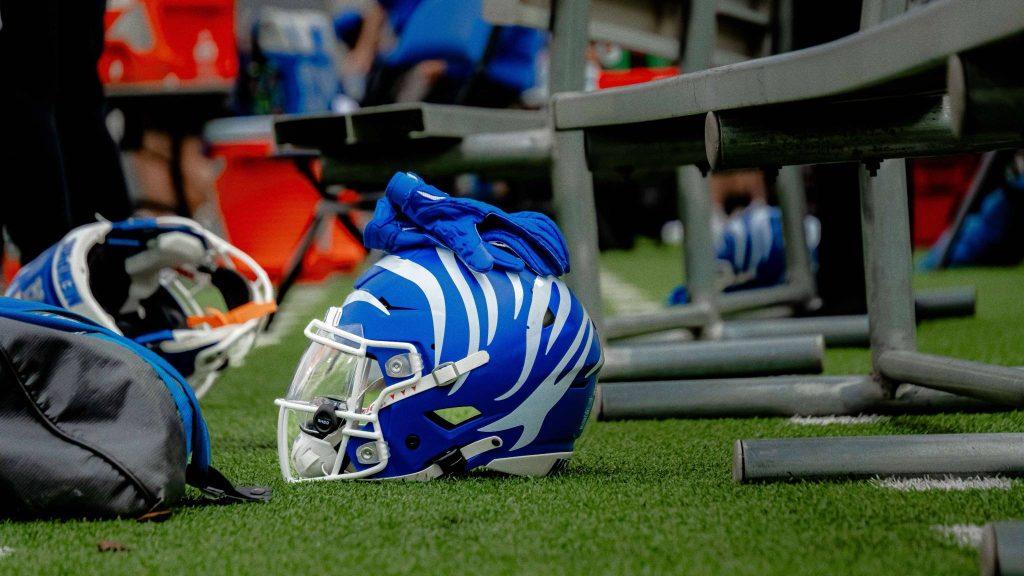
That is why the 2026 second-piece question matters so much. Can Memphis keep its stars? Not literally every player, because no program at this level can. But enough stars, enough culture, and enough internal belief to stop resetting its story every single offseason. That is the jump from “solid AAC brand” to “program with annual expectations.”
Way too early, the opportunity is sitting right there. The AAC is open enough for Memphis to grab it. The playoff path is real enough to matter. The city is talented enough to support it. What remains is the hardest part, and the part Memphis has not consistently solved: turning flashes into structure. If the Tigers do that in 2026, they will not just be fun or dangerous. They will be the program everybody in the conference is chasing. If they do not, the story stays the same, and Memphis remains what it has too often been—close, interesting, and not quite permanent.