
When Memphis Has Been This Bad Before
To understand how jarring this Memphis season is, you have to go back to the 1990s, when the program wandered through one of its bleakest stretches. Larry Finch, a beloved figure in the city, guided the Tigers from the mid‑80s into the late‑90s and delivered real highs early, but the final years grew uneven and tense. When he left, Memphis slid into a true identity crisis.
Tic Price took over next and never fully steadied the ship.
His tenure ended abruptly after an off‑court scandal, throwing the program into even more chaos. Johnny Jones stepped in as interim coach and finished the 1999–2000 campaign at 15–16, a season that sat near the bottom of Memphis’ modern history and symbolized just how far the Tigers had fallen.
That late‑90s window is the last time Memphis felt this lost this late in a season. The names and leagues have changed, but the vibe is achingly familiar.
The Standard Set After the Wilderness
Everything shifted when John Calipari arrived in 2000.
In nine seasons, he stacked conference titles, made deep March runs, and turned Memphis back into a national brand. The Tigers stopped flirting with losing seasons and started treating 25 wins as a baseline.
Josh Pastner, often picked apart by fans, quietly kept the floor high.
He piled up 20‑win seasons and multiple NCAA trips, maintaining respectability even if he never matched Calipari’s ceiling.
Tubby Smith’s two‑year stint ended in frustration, but even he finished above .500 before being shown the door. For nearly a quarter-century, under three very different coaches, Memphis avoided the kind of crater the program experienced in the late 90s.
That context is what makes this season feel historic in all the wrong ways.
Where Penny Stands
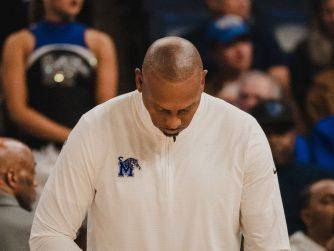
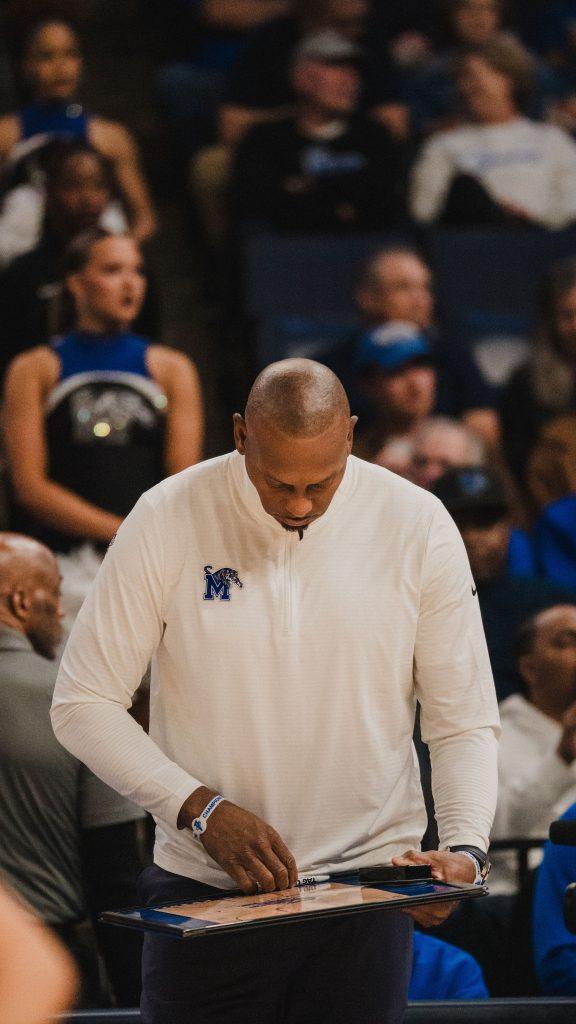
On paper, Penny Hardaway belongs near the top tier of Memphis head coaches. Through this season, he owns a strong winning percentage and has stacked seven straight 20‑win campaigns prior to this year. He’s claimed an NIT title, made multiple NCAA tournament appearances, grabbed a conference tournament crown, and authored a 29–6 season that swept league titles.
Only a tiny handful of Memphis coaches have opened their tenure with that kind of sustained success. Hardaway’s win total through his first seven seasons ranks among the best starts in school history. He brought back NBA‑level recruiting buzz, reconnected the program with its past, and made Memphis relevant again in a crowded national landscape.
By the numbers, this is exactly the profile of a coach you usually talk about in reverent tones, not as the face of a crisis.
The Dismal Season That Changes the Conversation
And yet, this season sits there like a stain on the résumé.
Memphis has gone from a 29‑win, conference‑dominating group to flirting with a losing record in the span of one year. That kind of drop hasn’t been seen around here since the Price and Jones era, when 15–16 felt like rock bottom.
Calipari never had a season this close to the edge. Pastner never did either. Their “bad” years still finished on the safe side of .500 and included postseason play that, even if underwhelming, kept the floor relatively high.
Penny, uniquely, now owns both extremes: the 29–6 high of last year and a campaign that echoes the darkest days of the late 90s.
That juxtaposition changes how he’s viewed.
He is no longer just the hometown hero who rescued Memphis from the Tubby lull; he’s also the coach tied to one of the worst modern seasons in Memphis history.
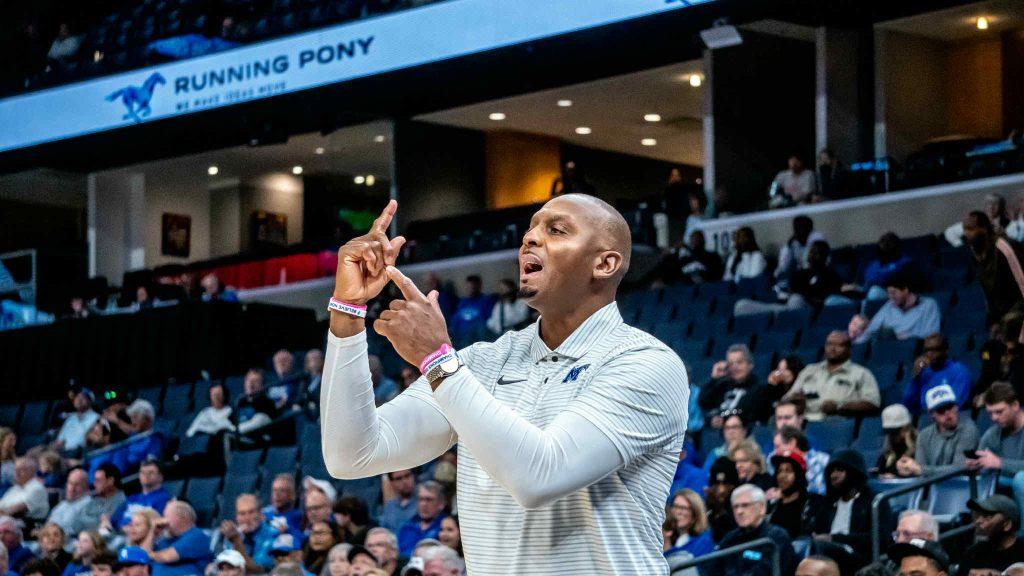
Legacy on the Line
So how does he stack up against the men who came before him?
If you zoom out, Hardaway’s body of work still places him firmly among the program’s most successful coaches. Win total, winning percentage, hardware, and relevance all argue strongly in his favor.
But history at Memphis is measured in more than numbers.
Calipari’s era is remembered for dominance; Pastner’s for stability; the late‑90s for pain and drift. This season risks dragging Penny’s era toward that last category if it becomes a trend instead of a one‑year anomaly.
If he responds by stabilizing the roster, recalibrating the approach, and pulling Memphis back to 20‑plus wins and March relevance, this year will sit as a weird, ugly outlier in an otherwise impressive run.
If not, 2025–26 becomes a dividing line — the year the program slid back toward the wilderness it swore it had left behind, and the year Penny Hardaway’s legacy in his own city became a far more complicated debate than anyone expected.