
Duke’s Amazon Deal Is About More Than Basketball. It Is About Who Controls the Future of NIL. The loudest reaction to Duke’s Amazon partnership focused on the games. The deeper story is the money around the games and who gets to direct them.
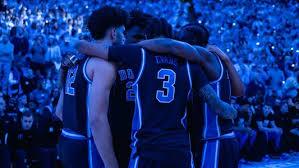
This Duke–Amazon Deal Isn’t About Games. It’s About Power.
Amazon is not simply buying a limited set of Duke broadcasts. Reporting around the deal makes clear that the agreement also includes meaningful NIL and retail integration, turning live events into a broader commercial funnel tied directly to athletes and the Duke brand.
NIL Is Moving Closer to the Platform
For years, NIL has lived in a messy ecosystem of collectives, local businesses, and booster-driven improvisation. The Duke-Amazon partnership hints at something more centralized and more powerful: a major company linking exposure, content, commerce, and athlete compensation under one umbrella.
That changes the recruiting conversation immediately. A recruit evaluating Duke is no longer just evaluating coaching, development, and national television. The recruit is evaluating a brand relationship with one of the world’s largest companies, and that changes how leverage is distributed in college sports.
The Gap Between the Few and the Many
Not every school can build this kind of relationship. Most cannot even approach it. That is why the Duke-Amazon deal is not just innovative; it is stratifying.
The more NIL becomes tied to school-specific platform power, the less honest it becomes to talk about the college marketplace as if everyone is competing on the same field. The richest programs already had structural advantages. Direct access to Big Tech only deepens them.
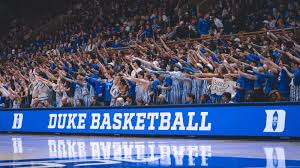
NIL changed college sports by opening the money. Deals like Duke’s could change it again by concentrating the money.
That is the real national significance here. The future may not belong to the schools with the biggest boosters alone. It may belong to the schools that become the most attractive business partners for the largest platforms on earth.