
College football is seven days from trading projections for proof. The preseason rankings are set, the depth charts are nearly finished and the sport’s biggest programs are about to discover whether their summer confidence can survive a real opponent.
This is the last Sunday when every team can claim it has a chance.
The Sunday Reset: The Last Sunday Before Football Gets Honest
Next Sunday, somebody will be 0-1. Somebody will have a quarterback controversy. Somebody will lose a player who was supposed to be the answer. Somebody will be asking why the offense that looked unstoppable in camp suddenly cannot convert third down.
That is when college football gets honest.
The preseason has created its familiar order. Ohio State is No. 1. Oregon is No. 2. Georgia is No. 3. Notre Dame and Texas complete the top five. The Big Ten has the early polling momentum. The SEC has the deepest collection of programs determined to take it back.
But rankings are only useful until the ball moves.
The season begins Aug. 29. North Carolina and TCU will play in Dublin. USC will open against San Jose State. Memphis will face UNLV in a game that matters more to the Group of Six race than most people will realize.
The sport will not wait long to create a new argument.
Ohio State Has The Target, Oregon Has The Chance
Ohio State opens the year as the team everyone must chase.
The Buckeyes have the roster, the recruiting, the money and the expectations that come with being college football’s preseason No. 1. That ranking is not a celebration. It is a weekly demand. Every opponent will play Ohio State like it is a championship game. Every close win will become a concern. Every loss will become a referendum.
That is what comes with being No. 1.
Oregon has the opportunity to prove it is not simply a talented program with a fancy facility and a large budget. The Ducks are No. 2 because the sport believes they have become one of its permanent powers. Now they have to play like it.
Georgia remains the SEC’s standard-bearer. The Bulldogs do not need to be loud in August. They need to be dangerous in November. Texas has the talent to win a championship, but it must prove that talent can hold up when the schedule becomes difficult and every opponent treats the Longhorns as its biggest game.
Notre Dame sits in the middle of all of it. The Irish have enough talent to remain in the playoff hunt. But national relevance is no longer enough. Notre Dame must find a way to turn big expectations into a postseason result that matters.
The top of the sport looks crowded because it is crowded.
The teams that survive will be the teams with answers when the preseason questions become game-day problems.
The New Coaches Own The First Narrative
Lane Kiffin at LSU enters the season with the clearest expectation: win quickly.
The Tigers have too many resources, too much talent and too much pressure to treat 2026 as a building year. Kiffin was hired to modernize the offense, maximize the roster and make LSU a playoff threat immediately. If the Tigers begin fast, the national conversation will become deafening. If they stumble early, Baton Rouge will not be patient.
Bill Belichick at North Carolina owns the strangest and most compelling story in the sport. His first game will come in Dublin against TCU, and every decision will be dissected. Can the NFL model translate to recruiting, NIL and the portal? Can Belichick establish the disciplined football culture that North Carolina has rarely sustained?
The answer will not arrive in one game, but the first impression will matter.
James Franklin at Virginia Tech has a different job. The Hokies need to become tough, relevant and difficult to play again. Alex Golesh at Auburn must turn talent into an offense that gives the Tigers a real identity. Ryan Silverfield at Arkansas needs to provide stability to a program that has spent too long starting over.
First-year coaches do not get four years to introduce themselves anymore.
They get one month to give their fan base a reason to believe.
The G6 Is Waiting For Its Moment
The Group of Six race begins before most of the sport is ready to pay attention.
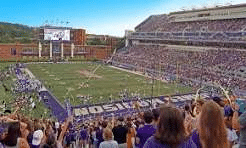
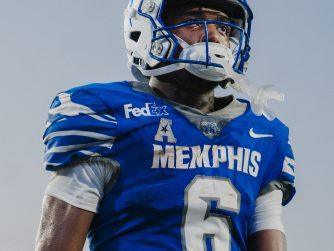
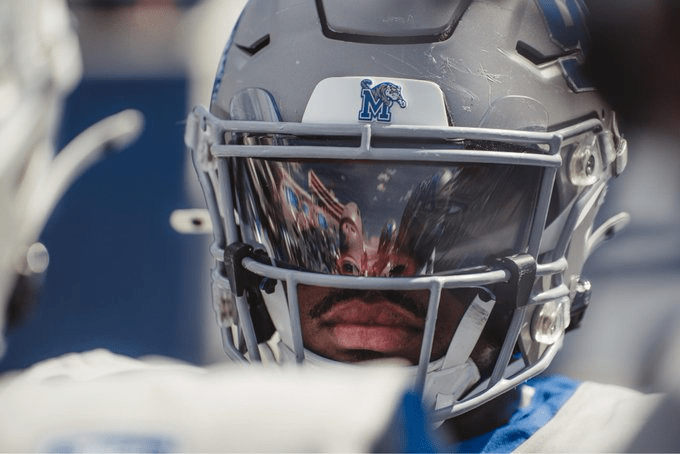
Memphis at UNLV is a prime Week Zero example. Both programs have the coaching, talent and ambition to become a major part of the G6 playoff conversation. One early win does not clinch anything, but it creates the kind of momentum that matters when voters begin sorting through conference champions later in the year.
Boise State begins just outside the national rankings and remains one of the most recognizable brands in the G6. Tulane is attempting to remain a major American Conference factor. James Madison continues to prove that a strong program can force national relevance even without the resources of the sport’s biggest names. USF has the geography and recruiting opportunity to become a real story if it can turn potential into wins.
The G6 does not need permission to matter.
It needs teams willing to take the moment.
One unbeaten run can change a conference. One September upset can change a playoff debate. One quarterback can become a national name before October ends.
This is the last Sunday before the sport starts handing out evidence.
The rankings will change. The hype will crack. The first coach will say his team has to clean up mistakes. The first fan base will demand a quarterback change.
College football is almost back.
And once it returns, nobody gets to hide behind August anymore.