
To understand what Memphis will look like on offense under Charles Huff, you start with the people holding the headsets and running the meeting rooms. The 2026 offensive staff is built to protect what has made Memphis dangerous and to add a new layer of physicality and flexibility.
The Offensive Staff, Identity, Roles, and SpringFest 2026
At the center is offensive coordinator and quarterbacks coach Kevin Decker. Decker brings an offensive résumé built on creative formations, tempo, and the ability to attack space. His offenses have used motion, shifts, and multiple personnel groupings to force defenses into uncomfortable choices without abandoning the run. At Memphis, Decker’s job is to take a quarterback room that has been reshaped and turn it into a steady, confident engine for the entire unit.
Decker’s room is where the language of the offense begins. Quarterbacks learn protections, reads, tags, and situational rules straight from the coach who will be calling plays on Saturdays. SpringFest 2026 will give fans their first extended look at how that teaching has taken. How cleanly the offense operates tempo, how decisively quarterbacks get through progressions, and how they handle red zone and third down situations will all reflect Decker’s influence.
Standing right next to him is co-offensive coordinator and tight ends coach David Weeks. Weeks’ title highlights how important tight ends are to this scheme. Under Weeks, the tight end room must be able to block like linemen when needed, protect in pass game situations, and line up in the slot or out wide as credible receiving threats. When Memphis stays in the same personnel but shifts from heavy looks to spread sets, that versatility almost always runs through Weeks’ group.
The run game and much of the day-to-day culture fall under assistant head coach and running backs coach Telly Lockette. In Lockette’s room, there are non-negotiables. Backs are expected to run through contact, secure the football, pick up blitzes with the same intensity they run the ball, and contribute as receivers. During SpringFest, who is trusted in pass protection, who finishes runs with authority, and who handles the details will tell you how strongly Lockette’s message has landed.
The offensive line is coached by Andy Kwon, and that is where Huff’s insistence on physical identity becomes reality. Kwon must weld five players into a unit that can execute both zone and gap schemes, that can sort out stunts and twists, and that can protect the pocket long enough for Decker’s concepts to develop. In SpringFest, one-on-one pass protection drills and inside run periods, fans will get a clear look at how far that group has come.
On the outside, wide receivers coach Aaron Dobson brings NFL experience and a professional standard to the receivers’ room. Dobson’s focus is on the details that separate average passing games from dangerous ones, releases against press coverage, route depth, timing, body control on contested catches, and the willingness to block for teammates. SpringFest one-on-ones and team periods will show whether those details are already visible.
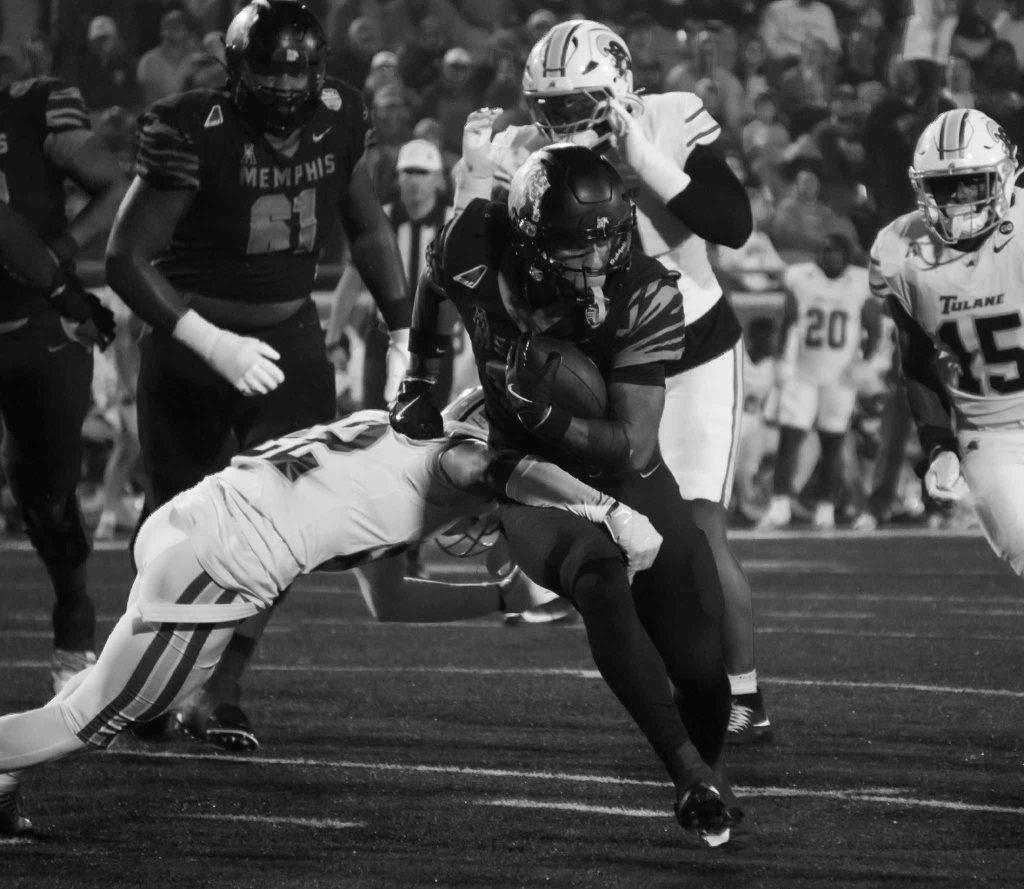
Supporting those front-line assistants is a layer of offensive analysts and quality control coaches who handle breakdowns, self-scouting, and situational research. Their work gives Decker, Weeks, Lockette, Kwon, and Dobson more capacity to teach and game plan.
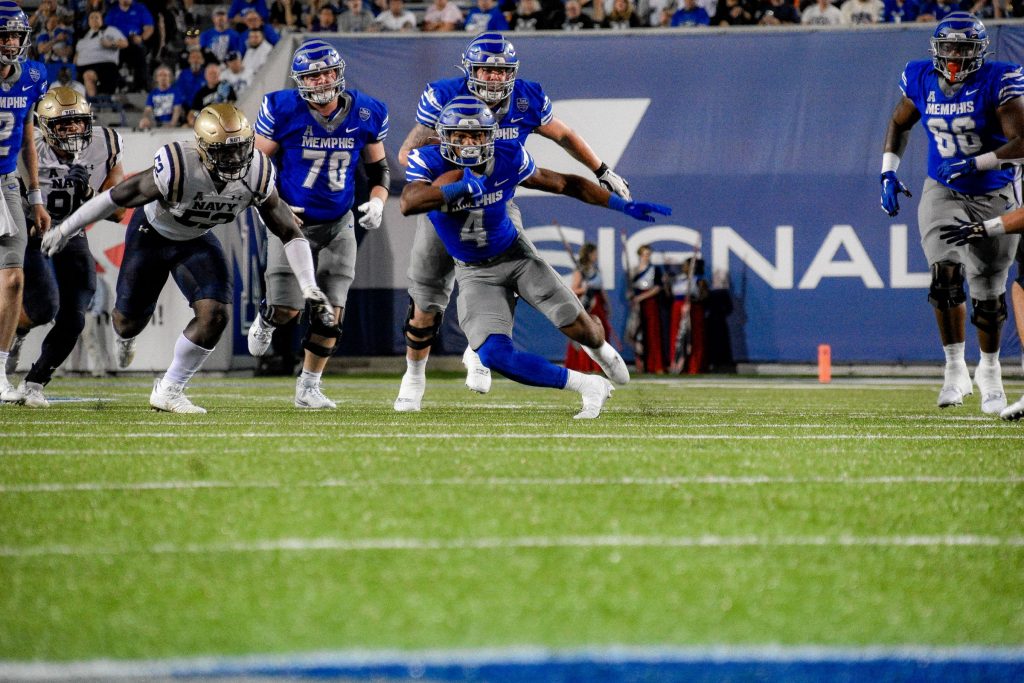
For this offensive staff, SpringFest 2026 is more than a scrimmage. It is a public test of installation and identity. Fans will see how often Memphis leans into tempo or shifts gears, how heavily tight ends are involved, how physical the run game looks against a new defense, and how efficient the passing game operates in high-leverage situations. By the time the band plays the last note, Memphis fans should have their first real picture of what a Huff and Decker offense looks like, and of the staff that built it.