
April baseball has always been a strange combination of optimism and overreaction. Every morning feels like a referendum on a team that has barely played two weeks of meaningful games, every losing streak feels like a crisis, and every hot start becomes a forecast. The standings today are a snapshot, not a portrait, but that has never stopped anyone from reading into them. The fun is in figuring out what is real and what is noise.
Your Baseball Team’s April Record Is Lying To You
Around the major leagues, you already feel familiar patterns and genuine surprises. A club with expectations and a loaded lineup has hit the ground running, looking every bit like the regular-season machine its roster suggests. In other cities, traditional powers are searching for their level. A brand name team might carry a strong spring into April, but even a good start comes with questions about health, depth, and whether the bullpen will hold. Elsewhere, a team that was not supposed to matter in the division is stealing headlines because its pitching staff has accidentally become unhittable for ten days.
The Overreaction Meter gets its workout here. A veteran lineup scuffling through a cold week, a contender sitting a few games under five hundred, the instinct is to panic, to wonder if the window has closed, if the wrong bets were made in the winter. The more honest view recognizes that the season is long, that underlying numbers like run differential and quality of contact will tell the truth over time. April is where you can spot problems, but it is rarely where a season is lost.
For MiLB, however, April often feels like the true beginning. Across Triple-A, Double- A, and Single- A, gates have opened, rosters have been posted on sticky notes in clubhouses, and the next wave of talent is stepping into the light. Opening nights around the minors come with their own quirks, weather delays that wipe out first pitches, fireworks shows that go off even when games are postponed, and small towns coming out to see a name they have only heard in prospect reports. Those nights are where future big leaguers become real to fans who can sit close enough to hear infield chatter.
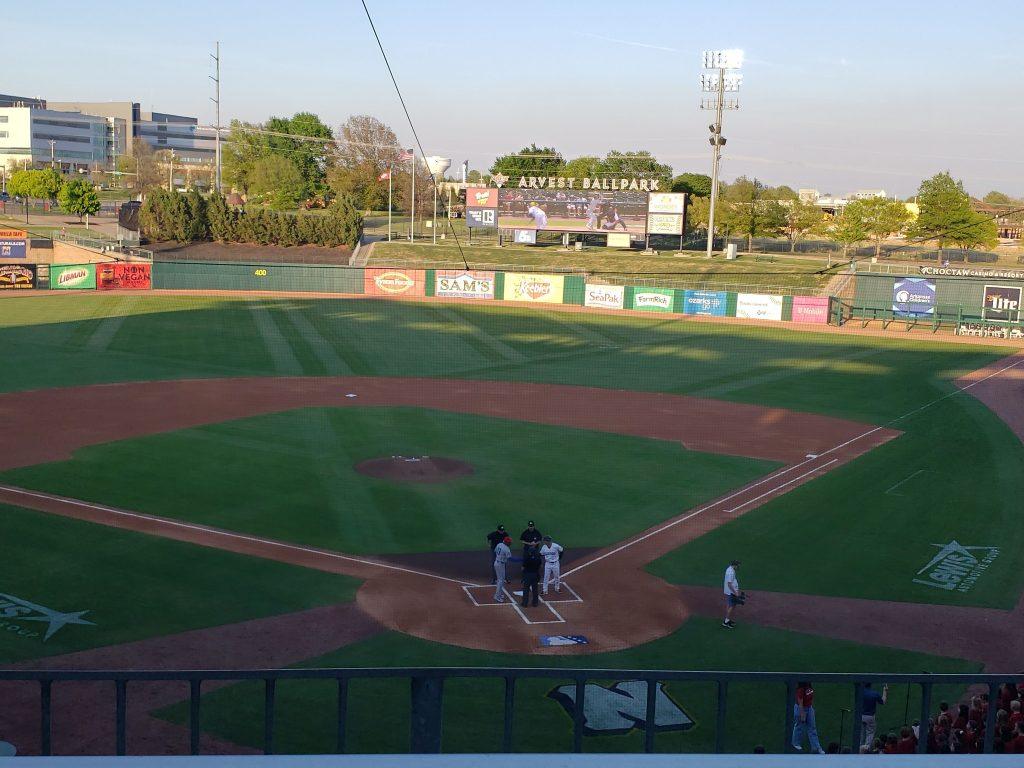
This season, MiLB storylines are rich. There are blue chip hitters parked one level away from the majors, waiting for a call that could come in June or could be delayed by service time calculus. Young pitchers are trying to prove that their stuff holds up when they face the same lineup three or four times, not just in short bursts. There are also the grinders, the former late round picks or undrafted free agents who rewrite their scouting reports one quality start or three hit night at a time. For fans in places like Arkansas, that might mean a weekend trip to see the local Double A club because someone on that roster is going to be on national television in two years.
The connective tissue between MLB and MiLB in April is hope. Big league parks are filled with fans arguing about whether their team is actually good, or just lucky, or secretly in trouble. Minor league parks are filled with families and die hards who do not care as much about the final score as the chance to say they saw a certain player before everyone else. The trick for a site like yours is to live in both worlds, honest about what early numbers mean in the majors, and excited about the kids who are about to make those numbers irrelevant in a season or two.