

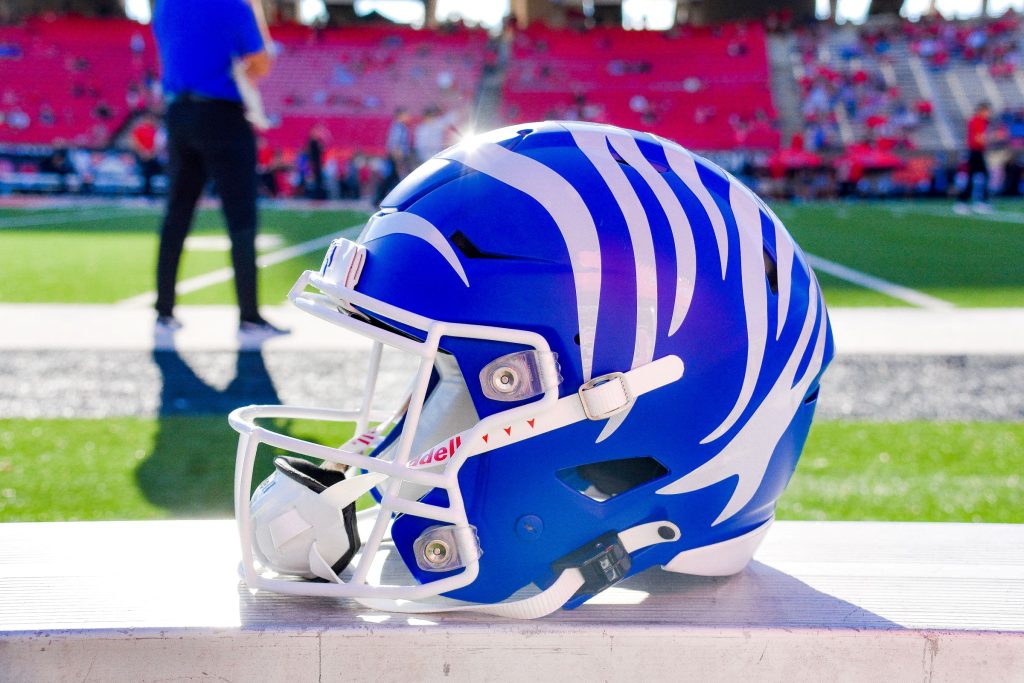
When new Memphis Tigers head coach Charles Huff stood at the podium in December 2025 during his introductory press conference, he delivered a line that instantly became a rallying cry for the fanbase. “Tigers are apex predators in the world, at the top of the food chain,” Huff declared. “It’s time for the Memphis Tigers to get to the top of the food chain and establish order and consistency in the college football ecosystem.”
Early Test for the “Apex Predator”: How the Arrest of Chris Stokes Sets the Tone for the Charles Huff Era
Six months later, Huff is getting his first real opportunity to establish that “order.”
On June 25, 2026, Memphis defensive lineman Chris Stokes was pulled over during a traffic stop by campus police. A search of his backpack revealed a handgun, resulting in his immediate arrest on a weapons charge. The swiftness of the response from the Memphis football program was telling. Less than 24 hours later, it was confirmed that Stokes had been entirely removed from the roster.
For a program desperately trying to climb back to the American Athletic Conference mountaintop—a peak they haven’t reached since 2019—the swift dismissal of Stokes is more than just a procedural roster adjustment. It is the first defining cultural moment of the Charles Huff era.
Building a Roster, Drawing a Line
When Ryan Silverfield departed for Arkansas on November 30, 2025, after a successful 50-win tenure that included an 8-4 finish in his final season, he left behind a stable foundation. “This is the first time in my career that I’m taking over a program that’s not broken,” Huff noted upon his arrival. However, “not broken” does not mean “complete.”
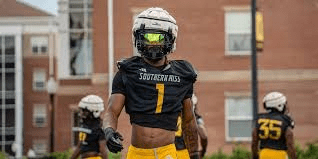
Huff, who engineered an impressive turnaround at Southern Miss (flipping a 1-11 team to 7-5 in one season) before arriving in the Bluff City, inherited a roster that still required heavy portal maintenance. Memphis saw massive turnover during the winter portal window. Huff worked meticulously to rebuild the depth chart, heavily leaning on familiar faces from his time in Hattiesburg and prior stops.
At 6-foot-4 and 310 pounds, Stokes, a redshirt sophomore who followed Huff from Marshall and Southern Miss, was expected to be a key rotational piece on the interior defensive line. Defensive coordinator Jason Semore’s scheme relies on space-eating tackles to free up linebackers, and losing a 310-pounder in late June—after the spring portal window has closed—is a significant logistical blow.
There are no quick fixes in the transfer portal in July. The Tigers will have to rely on internal development and incoming freshmen to replace Stokes’s projected snaps. But for Huff, the cultural message clearly outweighed the on-field inconvenience.
“How We Act, Interact, and React”
During that same introductory presser in December, Huff outlined his philosophical approach to running a program. “How we act, interact, and react,” he emphasized, defining the core tenets of his coaching style.
The reaction to Stokes’s arrest was decisive. There was no “indefinite suspension pending investigation,” nor was there a prolonged media silence meant to stall for time. By immediately dismissing a player he had a prior relationship with at two different schools, Huff sent a loud, undeniable message to the Memphis locker room: the standard is the standard, regardless of who you are or what position you play.
This approach echoes the lessons Huff learned under his mentors, including Nick Saban and James Franklin. It is a philosophy rooted in accountability, one that prioritizes the health of the collective over the talent of the individual. For a fan base hungry for a return to the College Football Playoff conversation, this kind of no-nonsense discipline is highly reassuring.
Looking Ahead to Fall Camp
The reality of college football is that off-field incidents will happen. How a head coach navigates them often dictates the trajectory of a season. As Memphis prepares to open fall camp, the narrative surrounding the defensive line will undoubtedly focus on who steps up to fill the void left by Stokes.
Will it be an untested underclassman? Or will a veteran edge rusher be asked to slide inside on passing downs? These are questions defensive line coaches will have to answer in August.
But the larger question—how Charles Huff will lead this program through adversity—has already been answered. He promised order and consistency. By parting ways with Chris Stokes, he proved he is willing to make the hard choices to establish it. The “apex predator” era in Memphis has officially begun, and it operates with zero tolerance for distractions.