
USC changed the national conversation. Indiana survived another uncomfortable afternoon. Texas Tech found a different offensive answer, and Georgia delivered a defensive response.
Sunday Reset: College Football Enters November With Fewer Safe Assumptions
Halloween did not produce one clear explanation of the college football season. It produced competing evidence about which teams are becoming more dependable and which are still asking a remarkable finish to cover familiar problems. With November here, the distinction between collecting victories and building a sustainable contender deserves a closer look.
The Big Ten Has More Questions Than Its Records Can Answer
USC’s 30–18 victory over Ohio State belongs at the front of the national review. The Trojans led 20–9 at halftime, extended the advantage in the 3rd quarter, and finished with a result that demands more than an Ohio State-centered explanation.
The Buckeyes have questions to answer. USC earned the right to have its performance discussed on its own terms. That distinction matters in national coverage. A prominent program’s loss should not make the winner disappear.
USC did enough to put Ohio State in pursuit and prevent the Buckeyes from turning that pursuit into control. Whatever the result means for the next rankings, it gives the Trojans a substantial performance to place beside their earlier disappointments.
Indiana’s 23–16 overtime win over Minnesota supplied a different evaluation. The Hoosiers needed a 60-yard field goal to extend the game. Grant Wilson then delivered a 25-yard touchdown pass to Charlie Becker on the first play of overtime. Those plays deserve credit. They also do not eliminate the questions surrounding an offense that required another difficult escape. Wilson replaced an injured or ailing Josh Hoover, making quarterback availability an important reporting question rather than an invitation to declare a permanent change.
Elsewhere, Iowa’s 30–0 victory over Wisconsin reinforced a much older problem. The Hawkeyes have won 5 consecutive meetings by a combined 148–26. One conference produced a statement, an escape and another installment of a recurring mismatch. Treating all 3 as ordinary results would miss what Saturday revealed.
The SEC and Big 12 Produced Different Kinds of Answers
Georgia’s 27–8 victory over Florida began with the defense. The Bulldogs forced 4 turnovers and gave themselves a response worth examining beyond the rivalry celebration.
The useful question now is which parts of that performance can carry forward: disruption, possession-changing plays and the ability to keep an opponent from establishing a comfortable game. Ole Miss supplied a more decisive scoreboard answer, beating Auburn 45–15. That result also provided a player-development story. Shekai Mills-Knight received a career-high 16 carries and produced 71 yards with a touchdown. The Rebels’ win deserves the headline, but the contribution behind it provides the follow-up.
Missouri’s 34–10 victory at Arkansas demonstrated the cost of mistakes. Four Razorbacks turnovers became 24 Tigers points, while Missouri established a 211–59 rushing advantage. Arkansas remained within 13–7 at halftime. Missouri turned the available opportunity into separation.
The Big 12 offered its own contrast. Utah beat Cincinnati 49–25, answering a road assignment against the team that had beaten Texas Tech a week earlier. BYU defeated Arizona State 27–20. Both results matter in evaluating the conference beyond whichever program has the loudest weekly argument.
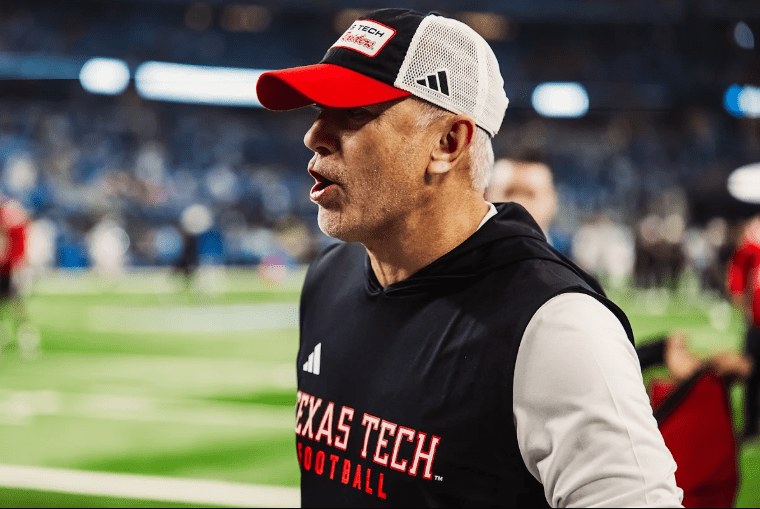
Texas Tech provided the clearest tactical development. With Thomas Castellanos starting at quarterback, the Red Raiders beat Arizona 34–26. Castellanos rushed for 117 yards, while J’Koby Williams added 175 and delivered a decisive 64-yard touchdown late.
That showed an adjustment, not merely a change in personnel. Arizona’s 417 passing yards still mxzaouf review. So do the Wildcats’ 12 rushing yards and Texas Tech’s 5 sacks. The complete explanation requires recognizing both what Tech allowed and what it took away. November does not reward a team for finding an answer once. It tests whether the next opponent can take that answer away.
The National Picture Extends Beyond the Familiar Headliners
Syracuse’s 30–27 victory over SMU and Wake Forest’s 51–7 win over Virginia deserve space in the ACC evaluation. Syracuse won on Steve Angeli’s touchdown pass to Noah Meyers with 17 seconds remaining. Wake Forest supplied a much more decisive margin. Those results should shape the discussion of the conference rather than sit beneath a national conversation limited to its most familiar brands.
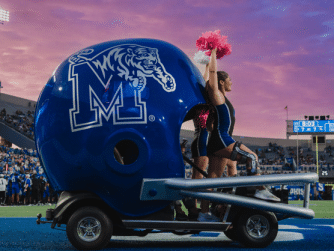
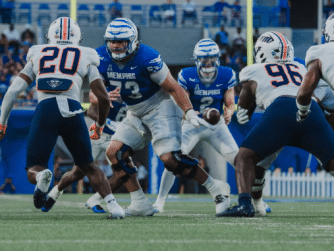
The same standard belongs in the G6 review. Memphis beat Army 49–22, moving to 7–2 overall and 4–1 in the American. The Tigers built a 28–14 halftime advantage and finished with a 14–0 fourth quarter.
The finish distinguished this performance from another survival story. Memphis did not simply establish a lead and spend the rest of the night watching it shrink. The Tigers increased the separation when the game still required a closing response.
Earlier in the week, North Texas beat Florida Atlantic 48–41, while Tulane defeated Charlotte 38–31. Those results belong alongside Memphis in assessing the American—not underneath a discussion that begins only when a national ranking makes a team convenient to mention.
The G6 evaluation should use the same basic discipline as the rest of the sport: examine the opponents, the conference work, the strengths and the limitations. Neither automatic dismissal nor automatic promotion explains a résumé.
That is the responsibility of the November conversation everywhere. USC earned a statement. Indiana earned a win without settling its offensive questions. Georgia supplied a response. Texas Tech demonstrated an adjustment. Memphis delivered a more complete performance.
Now each has to establish what survives the next test. The final scores tell us who earned Saturday. November will tell us whose answers can hold up.