

Tampa Bay could hardly have scripted a better beginning. Four runs in the first inning of a World Series game should change the evening’s terms. Instead, Milwaukee changed them back.
Tampa Bay Had Four Runs Before Milwaukee Hit. It Still Was Not Enough.
The Brewers scored five unanswered runs, won Game 2 by a run, and sent the series to Florida with a 2-0 lead. The Rays did not merely lose a close game Saturday. They lost a game they had given themselves an excellent opportunity to control.
The First Inning Was Not the Whole Game
Milwaukee won 5-4 after Tampa Bay built a 4-0 lead against rookie starter Logan Henderson. The Brewers’ response gave them a second consecutive one-run victory following Friday’s 3-2 series opener. Those margins should prevent anybody from describing this as effortless domination. They also should prevent Tampa Bay from finding much comfort in being close.
Two competitive games have produced two Milwaukee wins. The distinction between staying within reach and finishing the job is now the central fact of the series. In Game 1, Milwaukee established the early advantage. In Game 2, it erased Tampa Bay’s. The route changed. The outcome did not. That is more informative than a vague declaration that the Brewers possess momentum.
They have demonstrated two different ways to manage a narrow game. The Rays have come close without solving either one. A World Series does not award partial credit for an encouraging opening inning. Tampa Bay needed additional offense or enough run prevention to preserve its advantage. It got neither in the amount required. The opening gave the Rays an opportunity. The remaining innings explain why it was not enough.
Milwaukee Kept Finding the Next Answer
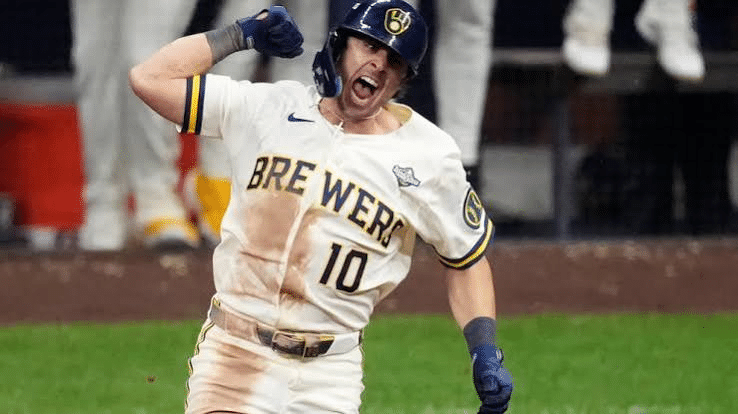
Sal Frelick’s home run tied Game 2, and Cooper Pratt delivered the go-ahead hit. Their contributions helped turn a four-run deficit into a victory and a commanding series position. There is a useful distinction between resilience as a slogan and resilience as an observable sequence. Milwaukee supplied the sequence.
The Brewers did not need to erase everything at once. They needed to keep the game reachable, create pressure, and capitalize when the next opportunity arrived. That sounds simple because baseball’s most useful principles often do. Executing them while trailing in the World Series is the difficult part. Still, the reporting should resist turning the comeback into proof that Milwaukee cannot be beaten. The Brewers won by one run. Again.
Those margins underline their execution. They also underline how quickly the series could become more uncomfortable if Tampa Bay begins converting its opportunities. The Rays are not required to reinvent baseball before Game 3. They need to finish more of what they start. That is a less dramatic diagnosis than declaring a team broken. It is also closer to what the first two scores support.
The danger is allowing disappointment to produce a larger conclusion than the evidence warrants. The opportunity is recognizing how urgently the details now matter.
Game 3 Is About Restoring a Competitive Series
The teams are off Sunday. Game 3 is scheduled for Monday at 7 p.m. Central, with Milwaukee visiting Tampa Bay. Games 4 and 5, if necessary, are also scheduled in Florida. The arithmetic is straightforward. Milwaukee needs two more victories. Tampa Bay needs four. That does not settle the series. It establishes the pressure.
For the Rays, the next game is not about winning all four at once. It is about preventing Milwaukee from moving within one victory of the championship. For the Brewers, the challenge is avoiding the assumption that two wins have done most of the work. A strong position is not a completed assignment.
My view is that Tampa Bay’s most damaging mistake would be treating Saturday solely as a psychological wound. Baseball remains specific. A four-run first inning was followed by no additional scoring. Milwaukee found enough offense to pass the Rays and enough relief pitching to finish. That is where the next evaluation belongs.
Which hitters extend innings? Which opportunities become runs? Which pitcher prevents the next small problem from becoming the decisive one? Those questions are more useful than arguing about whether a clubhouse has lost belief. Milwaukee has earned its advantage. Tampa Bay still has the opportunity to challenge it. But the Rays have reached the point where another encouraging stretch will not mean much without a winning final score. They already won the opening inning. Now they need to win a game.