
Beating Tennessee did not give the Tigers a winning season. It gave them something that lasted longer—and still speaks to programs outside college football’s power structure.
One Memphis Win Still Matters 30 Years Later. Here’s Why.
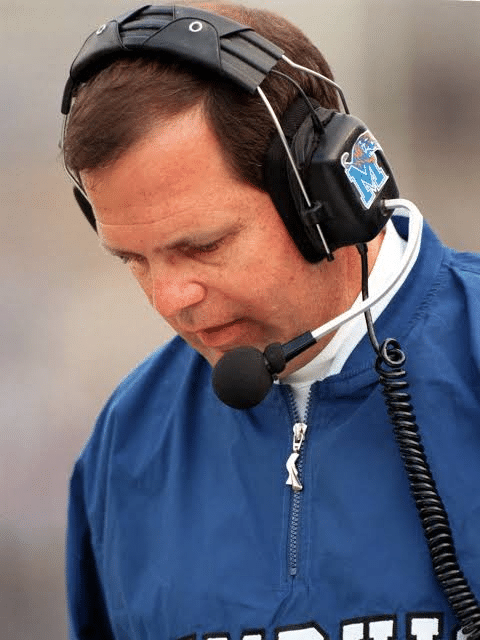
The most important sentence in Rip Scherer’s account of beating Tennessee might be the one that ends the celebration. “That night was huge; unfortunately we did not follow up the following week.” It is a coach’s answer, not an anniversary slogan.
Memphis stunned No. 6 Tennessee, 21–17, on Nov. 9, 1996. Then the Tigers lost to East Carolina and finished 4–7. Thirty years later, one result remains among the program’s defining victories. The other keeps its meaning honest. In an exclusive conversation with 4 Star Sports Media, Scherer remembered the excitement without claiming that a single win transformed everything.
That distinction is what makes the game worth revisiting. Memphis did not become a national power that afternoon. It accomplished something its own history said it had never done. Once the Tigers had done it, nobody could tell their supporters it was only a dream.
The Afternoon Memphis Became the National Story
The circumstances gave the upset its national reach. Tennessee arrived at 6–1, ranked sixth and led by Peyton Manning. Memphis entered at 3–6, having lost four straight. The Tigers were 0–15 against the Volunteers.
One program entered with national expectations. The other had an opportunity to interrupt them. Memphis took it. The Volunteers outgained the Tigers 381–153, ran 36 more plays and controlled possession for nearly 38 minutes. Yet Memphis kept finding the plays that prevented Tennessee from turning control into security.
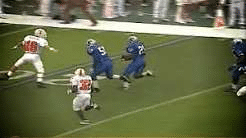
Two interceptions against Manning. A defense that limited the Volunteers to 85 rushing yards. Kevin Cobb’s disputed 96-yard kickoff-return touchdown. Finally, Qadry Anderson’s pass to Chris Powers with 34 seconds left. The game did not unfold neatly. That is part of why it remains so easy to remember.
Tennessee supporters still dispute whether Cobb was down before his return continued. Memphis supporters remember that the touchdown stood. Cobb’s return also received ESPN/ESPY recognition, giving the play a life beyond the rivalry. But Scherer resists treating any single moment as the whole explanation.
“There were so many huge plays in that game it is hard to single one out,” he said. Together, they produced a result too large to stay a local story.
A Victory That Followed the Coach Home
Before kickoff, Scherer invited Billy “Spook” Murphy to speak to the team. The former Memphis coach and athletic director represented a history the players were being asked to carry forward.
“I had so much respect and admiration for him,” Scherer said. “And he has so much passion for the game and dislike for UT; I wanted to get him in front of the team.”
Murphy asked defensive players to point toward the press box after making a play. He would be watching. The instruction connected the team on the field with someone who understood the significance of the opponent. Memphis did not enter the afternoon without a history of its own. After the victory, Scherer discovered how widely people wanted to participate in the celebration.
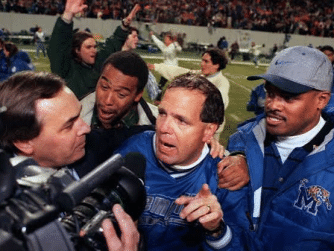
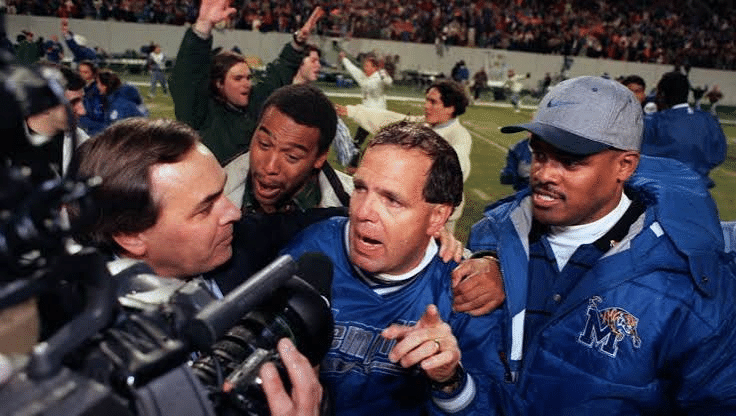
Television crews came to his house, conducting interviews and delivering sports reports from his living room. The following morning, he received a standing ovation after Mass at St. Louis Catholic Church. Those details say more than a broad claim that the win “meant everything.” They show where the reaction went. It left the stadium. It arrived at his front door. It followed him into church. Memphis had delivered an answer on the field, and people wanted to celebrate it.
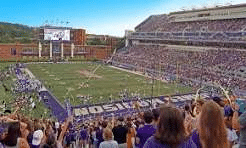
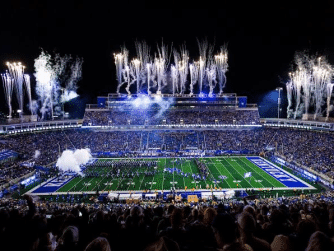
The crowd of 65,885 remains the largest for a Memphis home game at the stadium now known as Simmons Bank Liberty Stadium. The building held a record audience for a result the program had never produced. The lasting memory is not simply that so many people attended. It is that they saw Memphis win.
Did Memphis Cost Manning the Heisman?
Manning’s presence keeps the game connected to a national story, but it also encourages an anniversary claim that needs restraint. The defeat could not have helped his Heisman candidacy. A sixth-ranked team lost to a three-win opponent late in the season, despite its quarterback passing for 296 yards and its offense holding a substantial statistical advantage.
But that is different from proving the game decided the award. Florida’s Danny Wuerffel had already beaten Tennessee in September and went on to win the 1996 Heisman. Manning finished eighth. His more famous runner-up finish, to Michigan’s Charles Woodson, came in 1997. Memphis belongs in the story of Manning’s 1996 season. It does not need to be credited with taking a trophy from him to establish the upset’s importance.
Tennessee also remained a strong team after leaving Memphis. The Volunteers finished 10–2 and won the Citrus Bowl. The Tigers had beaten a legitimate top-level opponent, not a ranking that collapsed over the following weeks.
For Memphis, however, the result was not an immediate turning point in the standings. Scherer’s disappointment about the next week separates two achievements often blended: winning a landmark game and building sustained success. The Tigers secured the first. They still had work to do on the second.
Why Today’s G6 Programs Can See Themselves in Memphis
There was no G6 label in 1996. Memphis competed in a young Conference USA, and the Tennessee victory did not create today’s conference structure or change the sport’s financial balance. Its relevance to the present is about opportunity.
Programs outside college football’s wealthiest leagues have long faced a familiar challenge. National attention often arrives because of the opponent. To keep that attention, they have to make the result about themselves. Memphis did that. The Tigers did not win a statistical comparison. They kept the game within reach, created disruption, and delivered when the opportunity came. That remains a recognizable path for teams trying to beat opponents with deeper resources and larger national reputations.
The victory did not directly cause the championship seasons Memphis built later. Different coaches and players earned those achievements. Drawing a straight line across decades would make a complicated program history too convenient. What 1996 provided was evidence. When Memphis supporters imagined beating a major program, they no longer had to argue that it might happen someday. They could remember when it already had.
That is why the Tennessee game has the strongest claim as the greatest pure upset in Tigers history. The 2019 American Athletic Conference championship victory over Cincinnati carried greater direct postseason consequences, delivering a title and a Cotton Bowl berth.
Those are different kinds of greatness. The 1996 win ended an 0–15 series history. A losing team beat No. 6. A record home crowd witnessed it. Its disputed return and final touchdown gave the result a staying power few ordinary victories possess. In the broader history of today’s G6 programs, it belongs among the memorable regular-season upsets of an established power. Not because it erased the gap between conferences, but because it showed that the gap did not have to decide every game.
Thirty years later, Scherer remembers how much the night meant. He also remembers the loss that followed. Both belong in the story. Beating Tennessee did not make Memphis’ problems disappear. It gave Memphis something no later disappointment could take away. Before that afternoon, a victory over the Volunteers was something the Tigers hoped to see. Afterward, it was something they could remember.