
Dakota “Flash” Wilson is building more than stronger Tigers at Ouachita Baptist. His weight room is a daily test of faith, resilience, accountability, and the habits athletes will need long after their playing careers end.
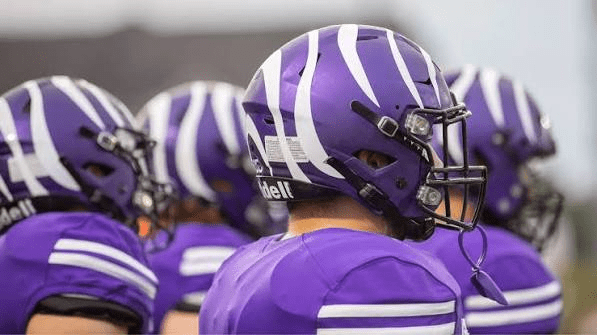
Ouachita’s Secret Weapon Isn’t Just Strength: How “Flash” Wilson Builds Athletes for Life
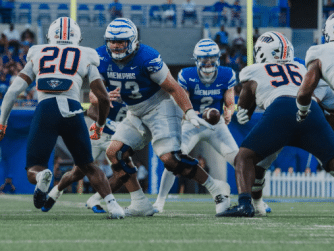
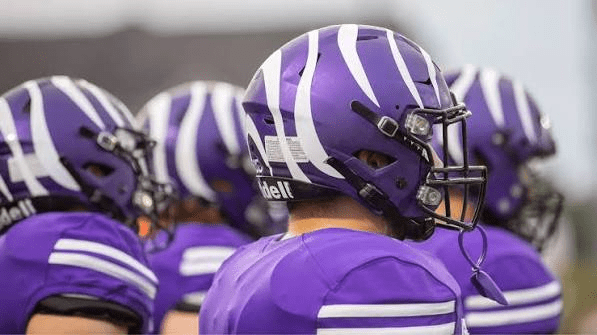
Fans see the Saturday product: bigger athletes, better conditioning and players who can finish late in games.
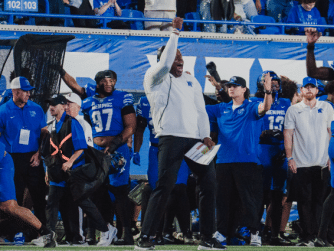
They do not see the 6 a.m. workouts, summer sessions, rehab, recovery, meetings, classes and countless small decisions that shape those moments.
That is where Dakota “Flash” Wilson makes his biggest impact. As Ouachita Baptist’s Director of Athletic Performance, Wilson oversees the physical development of student-athletes across the department. But he does not measure the job only in pounds lifted, faster sprints or offseason weight gains.
“We’re in the people business first,” Wilson said.
More Than the Barbell
Wilson has seen Ouachita from nearly every perspective. He has been a student-athlete, worked behind the scenes, coached football and now leads athletic performance.
That experience taught him the weight room is one of the few places where athletes face controlled adversity every day. They arrive tired, work through discomfort, learn to execute details under fatigue and have to choose whether to encourage teammates when things get difficult.
“Are you going to do things the right way when nobody is watching?” Wilson said. “Are you going to finish when you’re tired?”
Those questions matter more to Wilson than a max-out number. A strength coach must understand programming, speed development, conditioning, recovery and how to reduce injury risk. But Wilson believes the profession also demands the ability to connect with people. Athletes need different things at different times. Some need energy. Others need accountability. Some need to be challenged. Others need a coach willing to listen.
Faith in the Daily Work
Wilson’s approach centers on DEFI: attention to detail, relentless effort, finishing empty and intent. The principles create better training habits, but Wilson sees a larger purpose. They can help an athlete work through an injury, a difficult season, a confidence struggle or an off-the-field challenge.
“You may not be able to control everything that’s happening around you,” Wilson said. “But you can be intentional about how you respond.”
His faith informs that message. Still, Wilson does not want it to feel forced into a workout. He wants athletes to experience it through the way he coaches, serves and consistently cares for them. The lasting impact often surfaces after graduation. Former players have called Wilson years later when life became difficult, a reminder that they remembered more than lifting instructions or football drills.
“That’s where I think you really see the impact of coaching and faith come together,” Wilson said.
The Ouachita Difference
Wilson said each Ouachita team and coach has distinct needs. The athletic-performance staff’s job is not to force everyone into one model, but to understand a program’s goals and help athletes reach them.
That requires trust. When athletes know their coaches care and are invested in their success, Wilson said, they are more willing to embrace difficult workouts and unfamiliar methods. The physical preparation then becomes part of a larger culture of discipline, teamwork and belief. Confidence follows preparation. Athletes who have repeatedly done hard things enter competition knowing they have put in the work.
For Wilson, the ultimate goal is clear: produce people equipped for far more than their next game. Eventually, the weight on the bar will not matter. The lessons will.
“If we’re only producing stronger athletes,” Wilson said, “then I don’t think we’ve done our entire job.”