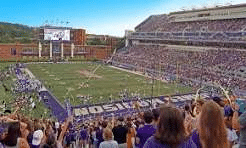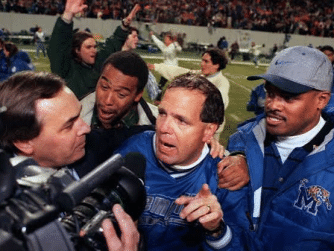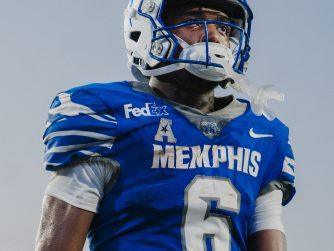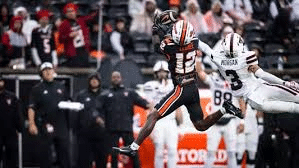

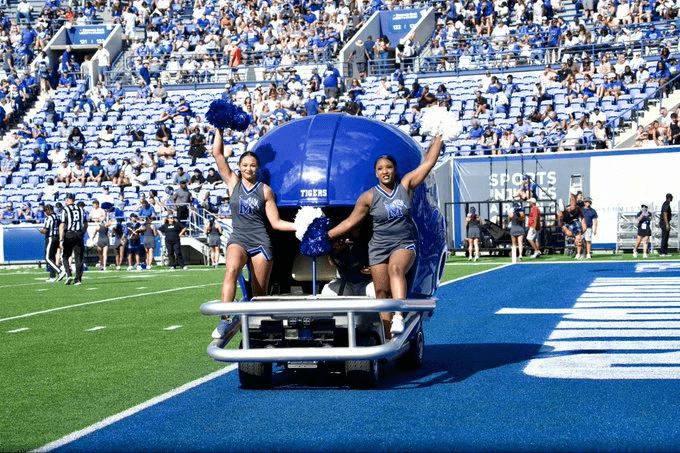
The idea feels natural when you say it out loud: two football brands, one city, and one shared mission centered around building Memphis football into something even stronger.
Could a Memphis Tigers–Hound Dogs Connection Create a New Pipeline for Football In The City?
When 4 Star Sports Media sat down with Memphis Hound Dogs offensive coordinator Dustin Bauman, the conversation shifted toward a concept that could quietly reshape the local football landscape. The question was straightforward but carried real weight: could a future connection between the Memphis Hound Dogs and the Memphis Tigers actually take shape?
Bauman did not hesitate in his response.
“I would absolutely love that,” he said. “I personally have not met Coach Huff yet, so I think that’s a conversation that needs to happen.”
While nothing is currently in motion, the enthusiasm from within the Hound Dogs organization suggests the idea is more than just hypothetical. It is a concept rooted in both opportunity and identity, two elements that have always defined Memphis sports.
A Growing Connection in Memphis Football
Memphis has never lacked passion for the game of football. From high school stadiums packed on Friday nights to the Liberty Bowl hosting the Tigers on Saturdays, the city consistently shows up. What has been missing, however, is a clear bridge that connects each level of the sport into one cohesive system.
That is where the idea of a stronger connection between the Tigers and the Hound Dogs becomes intriguing.
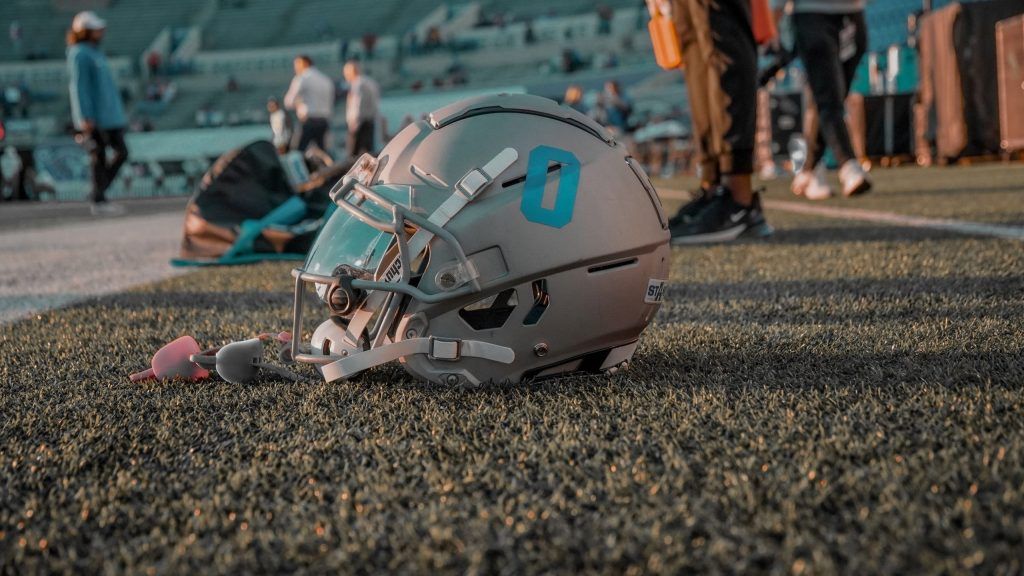
The University of Memphis serves as the city’s flagship college program, producing high-level talent and maintaining a national presence within the Group of Five landscape. The Hound Dogs, meanwhile, represent an emerging professional outlet, one designed to give players extended opportunities to continue their careers while staying connected to the game.
Linking those two entities would not just be symbolic. It would represent a step toward aligning Memphis football under a shared vision.
For Bauman, the path forward begins with relationships and leadership.
“I think James and Coach Huff need to sit down and have a great conversation,” he explained. “Their energy would pop off each other. And for me, I would love to call my guy Rodney Saulsberry. He’s all about this city. He’s a legend, and he needs to be involved in that process.”
Those names matter. Memphis has long relied on influential figures to drive its sports culture, and any meaningful connection between programs would likely require buy-in from respected voices who understand both the game and the city itself.
This would not simply be about branding two teams together. It would be about creating something that feels authentic to Memphis, something built on relationships, trust, and a shared commitment to growing the sport locally.
Building a Pipeline for Opportunity
While the idea of crossover events and shared promotions is appealing, Bauman made it clear that the deeper purpose of this connection lies in building a true pipeline for players.
“It would help with getting players that don’t make the NFL Draft but still want to play football,” he said. “It gives them more opportunities and more looks, because that’s what this is really about.”
That reality is one that programs across the country face every year. College football produces thousands of athletes, but only a small percentage reach the NFL. For many, their careers end not because of a lack of ability, but because of limited exposure and opportunity.
A structured pipeline between Memphis and the Hound Dogs could change that equation.

Instead of players leaving the program with nowhere to go, they would have a clear next step within the same city. That continuity matters. It allows athletes to keep developing, stay in game shape, and remain visible to scouts and professional organizations.
It also creates a sense of stability. Players would not have to navigate the uncertainty of relocating or stepping away from football entirely. Instead, they could continue their careers in a familiar environment, surrounded by a community that already supports them.
From a broader perspective, this kind of pipeline could elevate Memphis as a football city. It would signal that the city is not just a place where talent is developed, but also a place where careers can be sustained.
Fan Engagement and City Identity
There is also a natural benefit when it comes to fan engagement, something that cannot be overlooked in today’s sports landscape.
The idea of hosting events like a “Tigers Night” at a Hound Dogs game, or a “Hounds Night” tied to Memphis football, creates an immediate connection between fan bases. It invites crossover interest and gives supporters a reason to invest in both programs.
In a city that thrives on loyalty and identity, that matters.
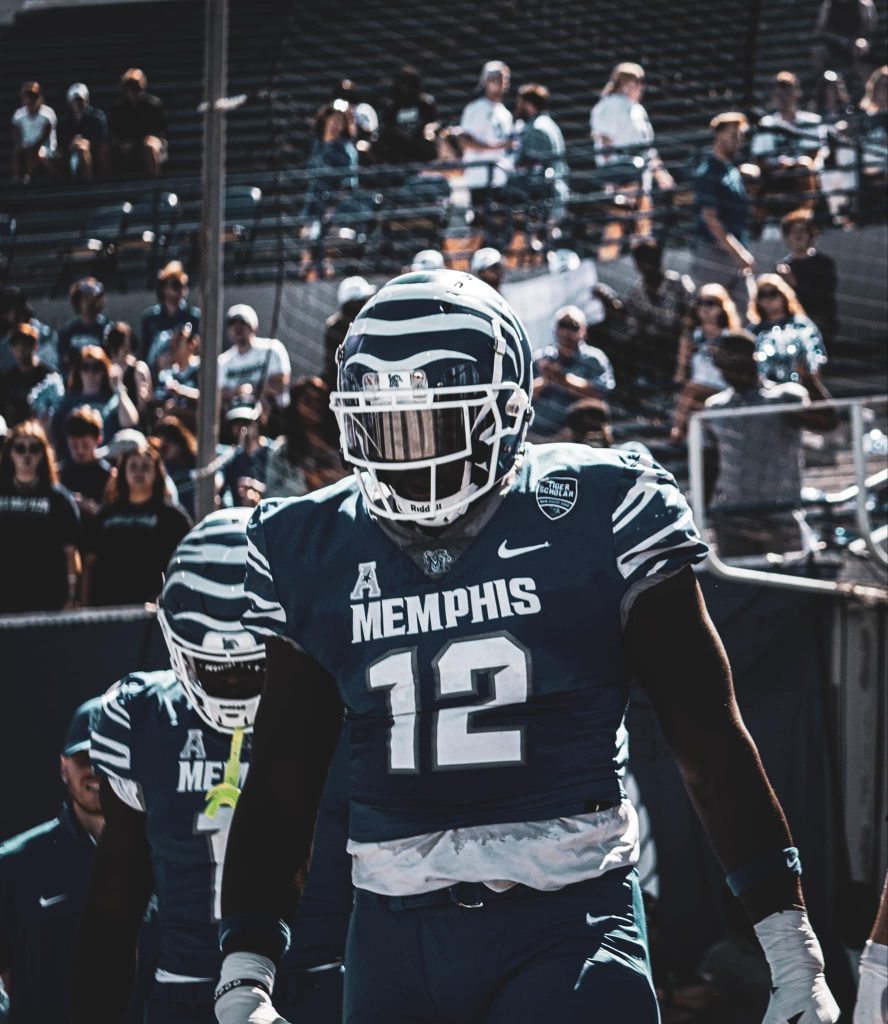
Memphis fans have always taken pride in representing their teams, but a stronger connection between programs could amplify that pride. It would create a more unified football culture, one where support does not stop at a single level of the game.
Instead, it becomes a shared experience that stretches from college football into the professional space.
Looking Ahead
At this stage, the idea remains in its early form, with no confirmed discussions between the two sides. However, the openness from Bauman and the Hound Dogs organization suggests that the door is wide open.
“I absolutely think that needs to happen in the future,” he said.
Turning that vision into reality will require alignment, communication, and a willingness from both sides to explore what a connection could look like. It will also depend on timing and leadership, particularly in bringing together key figures who can move the conversation forward.
If those elements come together, Memphis could be looking at something much bigger than a simple collaboration.
It could be the foundation of a true football pipeline, one that connects college success with professional opportunity and keeps both talent and momentum rooted in the city. In a sports landscape that is constantly evolving, that kind of structure would not just benefit Memphis. It could serve as a model for other cities looking to strengthen their own football identity.
For now, it remains an idea. But as Bauman made clear, it is an idea worth pursuing.