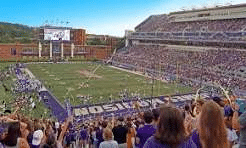

Memphis has been here before—twice. The 1993 NFL expansion bid that promised a “Hound Dogs” franchise collapsed when the league chose Jacksonville and Carolina instead, leaving Memphis with a half-built Liberty Bowl expansion and shattered hopes.
Part 3: Lessons From Memphis’ Pro-Football Graves
Two years later, the Memphis Mad Dogs arrived as a Canadian Football League experiment, playing one disastrous season in 1995 before hemorrhaging millions and vanishing into football folklore. Now, in 2026, The Arena League is asking Memphis to believe again. The question isn’t whether the Hound Dogs *can* succeed—it’s whether the lessons of the past have actually been learned.
The Ghost of the Mad Dogs and the 1993 NFL Bid
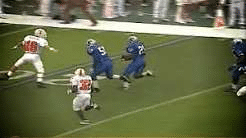
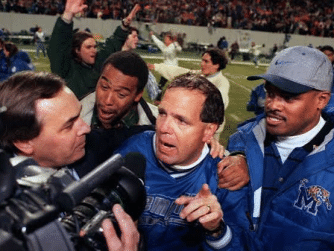
The 1995 Memphis Mad Dogs are a case study in how *not* to launch a pro-football team. Backed by FedEx founder Fred Smith, the CFL’s ambitious U.S. expansion brought a Big League product to a city hungry for validation after missing out on NFL expansion. The Mad Dogs played in the cavernous Liberty Bowl, featured high-priced imports, and marketed themselves as a major-league operation. They lasted one season. According to historical accounts, the franchise lost between $3 million and $6 million in 1995 alone, crippled by low attendance, a bloated budget, and a Canadian league struggling to find its footing in American markets.
Smith, who had hoped to use the Mad Dogs as a stepping stone to an eventual NFL franchise, walked away disappointed, and Memphis’s reputation as a “failed football market” hardened. The 1993 NFL bid—which would have brought the “Hound Dogs” name to the city three decades ago—remains an even deeper wound, a reminder that Memphis has come tantalizingly close to Big League status only to be left behind.
What’s Different This Time (and What Isn’t)
The 2026 Memphis Hound Dogs are operating in a fundamentally different environment than their predecessors. First, they’re playing indoor arena football, not outdoor pro football, which means a smaller venue (the Memphis Sports & Events Center), lower overhead, and a fan experience built around intimacy and intensity rather than scale. Second, the pricing model is radically different: $15 single-game tickets and $110 season packages are designed to be accessible, not aspirational.
Third, the Arena League owns the team at launch but is explicitly planning to transition ownership to local investors once the franchise proves sustainable—a “crawl-before-you-walk” approach that contrasts sharply with the Mad Dogs’ big-money debut. Finally, the Hound Dogs have hired from within the arena-football ecosystem: Coach Richard Gilliam and GM James Fisher Jr. both understand the minor-league grind and have built their strategies around local talent, community engagement, and long-term sustainability rather than short-term spectacle.
But some things haven’t changed. Memphis is still a mid-sized market with a crowded sports calendar, and the Hound Dogs are still asking fans to invest time, money, and emotional energy in a franchise with no track record. The April 2026 tryouts drew a strong turnout, including out-of-state prospects, but tryouts don’t fill seats—wins and word-of-mouth do. The team’s social media presence is growing, and early sponsorships from the Peabody Hotel and Holiday Inn Express suggest local buy-in, but sustainability requires more than a good Opening Night. The league’s “transition-to-locals” model is a hedge, not a guarantee, and if the Hound Dogs don’t attract credible ownership by the end of 2026 or early 2027, they risk becoming another Memphis football footnote.
A Conditional Verdict: What It Would Take to Survive
So, will this last? The answer is maybe—but only if the Memphis Hound Dogs clear three critical hurdles. First, they need to lock in a stable local ownership group within 12 to 18 months. The Arena League’s incubation model works only if credible buyers emerge, and Memphis’s history suggests that patience wears thin quickly. Second, they need to keep pricing fan-first. The $15 ticket is their secret weapon, the one factor that differentiates them from every failed Memphis football venture before them. If ownership changes and prices creep up, the franchise risks alienating the very fans who gave them a chance.
Third, they need to turn the first few seasons into a must-see nightlife experience—not just another football curiosity. The Hound Dogs can’t compete with the Grizzlies or the NFL on prestige, but they *can* compete on energy, accessibility, and pure Saturday-night fun. If they nail the gameday atmosphere and build a loyal core audience, they have a shot at becoming the franchise that Memphis’s pro-football graveyard has been waiting for.
The Memphis Hound Dogs have a better blueprint than the Mad Dogs, a smarter pricing strategy than the 1993 NFL bid, and a front office that understands the stakes. But blueprints don’t win championships, and strategies don’t fill arenas. Only execution does. Memphis has given pro football two chances before. The Hound Dogs are asking for a third. Whether this time is different won’t be decided by the hires, the branding, or the hype—it will be decided by whether the fans show up, the sponsors stick around, and the ownership materializes. The clock is ticking. The question remains: Will this last?