
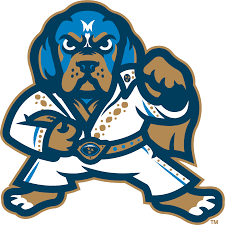
After the official announcement on January 15, 2026—complete with branding reveals and a Graceland connection—the Memphis Hound Dogs sent social media into overdrive. The name alone sparked nostalgia, the logo leaned into Memphis’s blues-and-rock heritage, and the early promotional materials promised affordable, high-energy entertainment. But behind the hype lies a business model that’s equal parts ambitious and fragile.
Part 2: Ownership, Buzz, and Ticket Demand
The Arena League owns the Memphis Hound Dogs outright at launch, with an explicit plan to transition the franchise to local ownership once it proves viable. That “incubation” strategy mirrors the league’s approach in Hot Springs, Arkansas, where a first-year league-owned team eventually found a stable buyer. The question is whether Memphis—a city that has buried multiple pro-football ventures—will give the Hound Dogs enough time to find their footing.
The League’s “Transition-to-Locals” Model
The Arena League’s ownership structure isn’t a secret, and it’s not a red flag—it’s a calculated hedge. Commissioner Tim Brown and his front office learned from the mistakes of previous minor-league football circuits: launching a team in a new market with an untested owner is a recipe for disaster. Instead, the league is bankrolling the Hound Dogs’ first season, absorbing the startup costs, and using 2026 as a proof-of-concept year. If attendance hits targets, sponsors renew, and the community embraces the team, the league will broker a sale to local investors who can provide stability and long-term capital.
It’s a smart play on paper, but it also means the Hound Dogs are essentially auditioning for survival. Every empty seat, every weak gate, and every slow week at the box office is ammunition for critics who remember the 1995 Memphis Mad Dogs—a team that hemorrhaged an estimated $3 to $6 million in a single CFL season before shutting down. Fred Smith, the FedEx founder who bankrolled the Mad Dogs, walked away from the venture after one disastrous year, leaving Memphis with a lingering skepticism about big-money football promises.
Season-Ticket Deposits and Early Momentum
The Hound Dogs’ pricing strategy is deliberately aggressive: season-ticket deposits start at $11 per seat, full-season packages range from $110, and single-game tickets are priced as low as $15. Those numbers are designed to eliminate price as a barrier and flood the Memphis Sports & Events Center with curiosity-seekers, families, and casual fans who might not commit to an NFL-level investment. The league has also leaned into Memphis’s hospitality industry, securing sponsorships from the Peabody Hotel, Holiday Inn Express, and other local brands to create a gameday experience that feels distinctly Bluff City.
Early social media engagement has been strong: the team’s Instagram account, launched shortly after the January announcement, quickly racked up thousands of followers, and promotional videos featuring Coach Gilliam and GM James Fisher Jr. have generated tens of thousands of views. The April 25, 2026, tryouts drew not only local ex-college players but also prospects from Illinois, Iowa, and other states, signaling that the Hound Dogs’ brand is resonating beyond Memphis.
The Memphis Hound Dogs as a Brand vs. a Business
Branding is the easy part. The Hound Dogs nailed it: Elvis, blues, grit, and a name that ties together Memphis’s musical legacy and its unfinished NFL dreams. The harder question is whether the *business* can sustain the brand. Memphis is a mid-sized market with a crowded sports calendar—the Grizzlies, college basketball, and minor-league baseball all compete for entertainment dollars. The Hound Dogs need to carve out a niche as the city’s Saturday-night destination, the loud, fast, affordable alternative to higher-priced options.
The $15 ticket is a start, but sustainability requires sponsors who stick around, local owners who invest, and fans who show up not just for Opening Night but for Week 8, Week 10, and beyond. The league’s “transition-to-locals” model is a safety net, but it’s also a ticking clock. If the Hound Dogs don’t attract a credible ownership group by the end of 2026 or early 2027, the franchise could become a cautionary tale—another Memphis football experiment that looked great on paper but couldn’t crack the code of long-term viability.
Will Early Buzz Translate to Staying Power?
The Memphis Hound Dogs have momentum. They broke into the market with a splash, hired a coaching staff with arena credibility, and priced tickets to pack the house. But early buzz and low prices are not a business plan—they’re a gamble. The 1995 Mad Dogs had buzz too, and they still collapsed under the weight of unrealistic expectations and unsustainable costs.
The difference this time is scale: the Hound Dogs are playing in a smaller venue, with a lower overhead, and with a league-backed safety net that gives them breathing room to find the right local partners. The question isn’t whether Memphis will show up for the first game—it’s whether they’ll show up for the tenth. Part 3 will examine the lessons of Memphis’s pro-football past and deliver a verdict on whether the Hound Dogs can beat the odds and become the franchise that finally sticks.