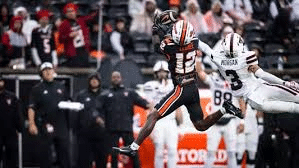

Every spring football league arrives with the same promise. New colors, new slogans, and new broadcast partners all insist that this time, finally, the sport has cracked the code on non‑NFL football. The United Football League has reached the point where it cannot hide behind that pitch anymore. The UFL is no longer a curiosity; it is a test case. It does not just need to look different. It has to prove it is built differently if it expects fans, players, and networks to still be here a decade from now.
Is the UFL Built to Last?
Strip away the hype, and the UFL is really trying to sell three things at once. It wants to be a dependable television product that fills a hole in the sports calendar. It wants to be a developmental pipeline that the NFL actually respects. And it wants to be a local experience that hooks fans in markets desperate for football of any kind. Those are three very different audiences with three very different definitions of success, and the league has to walk the tightrope between them every week.
For networks, the ask is simple but brutal. They want stable windows, competent production, and a product that looks enough like the NFL that casual viewers will not immediately change the channel. That requires clean broadcasts, credible officiating, and football that does not feel like a science experiment. For NFL decision‑makers, success means tape they can trust, featuring players executing recognizable schemes, coaches teaching real technique and environments that at least partially translate to Sundays in the fall.
For fans, the bar is both higher and simpler. They do not need perfection. They need meaning. They will forgive a missed tackle, a blown assignment, or a quarterback who will never sniff a Pro Bowl. What they will not forgive is the sense that they are watching a content product first and a competition second. That is where decisions like hiring a name like AJ McCarron in Birmingham matter. He is not just a coach; he is a symbol that the league is willing to build around figures with real roots and stories instead of anonymous placeholders passing through.

The UFL’s survival hinges on whether it can convince all three groups that it is offering essentially the same thing: real football with real stakes. If teams lose players every year to constant churn, if coaching staffs flip annually, if officiating feels amateurish or inconsistent, the league becomes just another short‑term content play. Content plays have expiration dates. Fans have a long memory when it comes to broken promises and fleeting products.
The 2026 season does not feel like another early chapter in a long experimental phase. It feels like a checkpoint. By now, there should be clear answers to basic questions. Is attendance trending up or plateauing? Are local sponsors renewing deals or quietly backing away? Are ratings stable and slowly growing, or already drifting as the novelty wears off? Those numbers will tell the truth about whether this project has roots or is still floating on buzz.
There is also the deeper question of what success even looks like for a league like this. The UFL will never be the NFL, and pretending otherwise is a quick way to exhaust both fans and investors. A realistic vision might be modest yet meaningful: a stable eight‑to‑ten‑team league, modest but committed crowds, a consistent television deal, and a reliable pathway that sends a handful of players and coaches up the ladder every year. For hardcore football fans, that might be more than enough, a second screen in the spring that feels familiar and trustworthy instead of experimental and fragile.
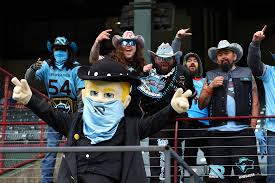
To reach that point, the UFL has to choose substance over gimmicks. Fans already know the talent gap and are not asking for Patrick Mahomes in April. They are asking for games that feel like they matter, rivalries that actually build over time, and rosters that do not reset every season like a video game. They want innovative rules without being confusing, broadcasts that respect their intelligence, and storylines that go deeper than “this guy once got a camp invite.”
The decisions being made in the league office right now about expansion or contraction, about how much to bet on name coaches versus proven program‑builders, and about how aggressively to tweak the on‑field product will determine whether the UFL becomes part of the sports landscape or just another cautionary tale. If the league leans into what it can uniquely offer—access, transparency, and the grind of players trying to climb—it can carve out its own lane between college and the NFL. If it keeps chasing quick hits and surface‑level attention, it will burn through what goodwill and patience fans have left.
The UFL cannot erase the ghosts of spring leagues past, but it can choose not to repeat their mistakes. It already has recognizable faces, a growing highlight reel, and enough traction that fans are at least curious. The next few years will decide whether that curiosity hardens into loyalty. Being built to last is not a slogan; it is a series of boring, disciplined decisions about money, markets, and football people. If the league gets those right, April and May can belong to more than draft chatter and nostalgia. If it does not, its logo will end up as just another relic in a long graveyard of good ideas that never became institutions.