
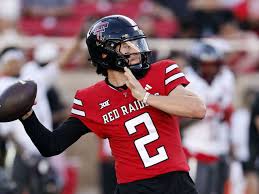
Imagine this: same Brendan Sorsby story, same volume of bets, same NIL money—only instead of Lubbock or Cincinnati, every push alert on your phone starts with two words: Memphis Quarterback. The more you drop that scandal into Memphis’ actual NIL and gambling ecosystem, the harder it gets to decide where the problem really lives.
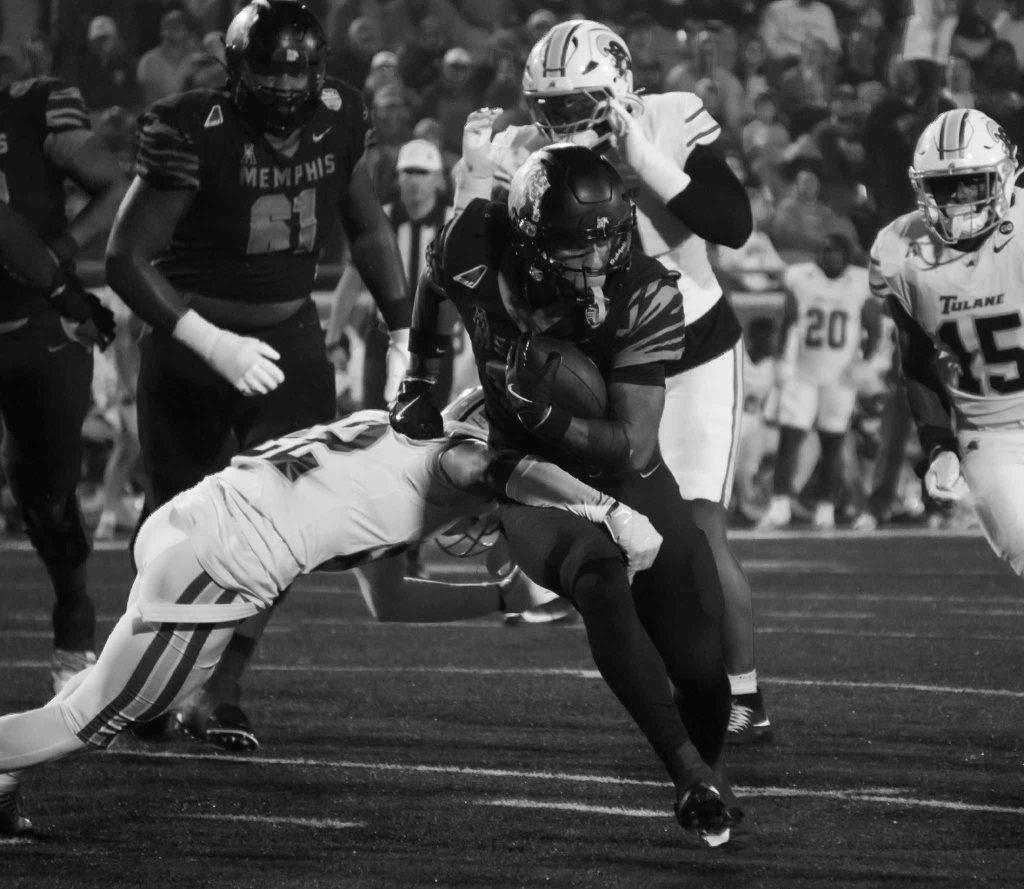
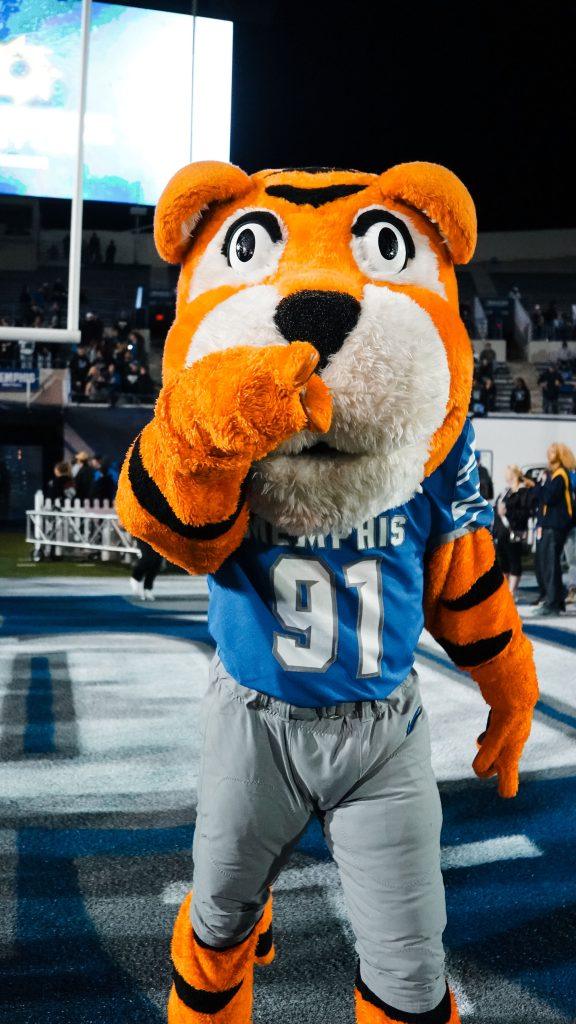
It is a Thursday night in October. Memphis is 6–1. The Tigers’ quarterback feels less like a college kid and more like a local franchise. He is the smiling face of corporate NIL campaigns, the headliner on 901‑branded charity graphics, the draw at downtown events that sell out because his name is on the flier. His billboard looms over I‑240. His jersey is the first one fans grab in the Tigers shop. You cannot watch a Memphis game without seeing his name on a crawl next to a point spread or a total. His highlights roll right after ads telling you to “make every drive matter” with live in‑game wagers.
If Sorsby Were A Memphis Tiger
Then your phone buzzes.
NCAA Opens Investigation Into Memphis Quarterback’s Gambling Activity.
The details sound like they belong somewhere else. Thousands of bets are placed through a phone app. Activity stretching back to a previous school. Wagers made while he was already a Tiger. Questions about whether any of those bets ever touched Memphis games. Overnight, the quarterback Memphis thought it wanted becomes the main character in college football’s gambling crisis.
Big‑Time Money, Big‑Time Temptation
To understand how that would actually land here, you have to start with what Memphis has chosen to be.
This is not a dusty Group of Five program scraping by on booster club envelopes. Memphis has spent the last few years building itself into a quasi‑professional operation. Corporate money underwrites the roster. The school leans into NIL, not as a necessary evil, but as part of its identity. The city’s flagship shipping company pours millions into athlete deals. The marquee collective, the 901 Fund, wraps those deals in civic pride and charity, selling the idea that paying players is also serving Memphis. The pitch to bigger conferences has been blunt: we have the corporate partners, the NIL infrastructure, and the market to play on a bigger stage.
In that world, your quarterback is not just a starter. He is an asset. He is the face on the deck of the next realignment presentation. He is part of the sales job to sponsors and recruits. When his name becomes synonymous with a betting investigation, it does not just threaten a depth chart; it threatens a business plan.
This all exists inside a city that sells gambling as entertainment. You do not need a Tigers‑sportsbook patch on the jersey for betting to feel baked into the sports culture. Walk into an NBA game downtown and you are greeted by a sportsbook partner’s logo on signs, concourses, even lounges. There are branded spaces built specifically for checking lines and watching multiple games. Local shows break down odds for college football and the pros in the same breath as they talk about matchups. On your phone, national sites list Memphis football and basketball spreads and futures as routinely as they list Alabama or Kansas. Odds for Tigers games live in the same feed as recruiting news.
Meanwhile, the official line inside the football building is simple: do not bet. Do not touch the apps. Do not ask a friend to put in a wager. In sports betting, the players are told that any loss of eligibility or career can cost them. Compliance staff cycle through PowerPoint presentations on NCAA bylaws and horror stories of athletes who lost everything over a handful of wagers. The rule is black‑and‑white.
The reality is not.
Because Memphis is not telling its players not to bet while shielding them from gambling. It is telling them not to bet while sending them to do interviews on shows that run odds segments. It is telling them not to bet while they walk past a sportsbook‑branded space on the way into an arena. It is telling them not to bet while their own highlights play next to live lines on social media. The same ecosystem that pays them to be more visible asks them to pretend the most aggressive part of that ecosystem does not exist.
If a Memphis quarterback in that environment crosses the line, the rulebook says the blame is entirely his. But zoom out, and it is harder to argue that he is the only one who made a choice.
How Memphis Would Spin Its QB Gambling Crisis
Now play it out.
The first move from the university is swift and polished. Indefinite suspension. A press release full of familiar words: integrity, values, zero tolerance for sports wagering. A line about cooperating fully with investigators. Quickly followed by another set of phrases: addiction, treatment, support. The quarterback is no longer just a player; he is a case study in mental health.
Inside boardrooms and suites, the tone is different. Corporate partners want a timeline, not a slogan. What did Memphis know, and when? What education did players receive? What controls are in place? Memphis has spent years telling those partners it can handle the responsibilities of big‑time money. Now it has to prove it.
The 901 Fund, built on the idea that NIL can be a civic good, suddenly has its poster athlete under scrutiny. Its feeds are full of images of him reading to kids, visiting nonprofits, and standing in front of local logos. Does the fund scrub those posts and quietly shift future deals to someone else? Or does it keep him in the picture and lean into the redemption arc, asking him to talk publicly about gambling and mistakes once the dust settles? Either way, it has to confront the fact that even the most carefully curated “good guy” stories are still tied to real, flawed humans.
The coaching staff has to live in two worlds at once. In front of cameras, they hit the notes fans expect: love for the player, disappointment in the decision, belief in the next man up. Behind closed doors, they are staring at a wrecked depth chart and a wrecked plan. The quarterback they built an offense, a recruiting message, and maybe even a conference pitch around is gone. The “paid athlete” label that sounds empowering in good times starts to sound a lot more like “exposed asset” in bad times.
Compliance walks out its paper trail—attendance sheets, signed forms, links to online modules—and insists the system worked. But if the school now has more information than ever about who its athletes are, what they earn, and how money moves around them, and still cannot see this coming, what does “working” actually mean?
Can Anyone In Memphis Say No To The Action?
Fans are left whipsawing between anger and recognition. On one hand, the quarterback knew the rule. He broke it. He cost the team a shot at something special. On the other hand, you can feel the hypocrisy in your own hands every time you open an app, glance at a line, or brag about a parlay that hit on Saturday.
That is what makes the “If Sorsby Were In Memphis” thought experiment so unsettling. It is not about inventing a scandal for the sake of drama. It is about forcing Memphis to look at the system it is building and ask a simple, uncomfortable question.
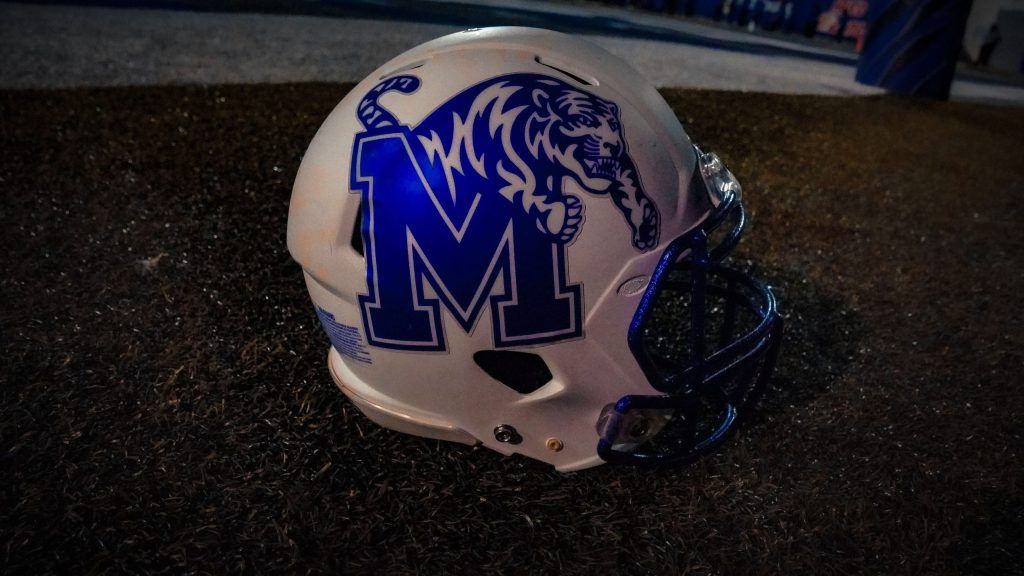
If you plant your program in the middle of a city that monetizes betting, court companies that profit from that reality, and celebrate the professionalization of your roster, how shocked are you allowed to be when the next big college football gambling story has a Tiger on the helmet?
And when that headline finally lands, are you ready to change anything other than the name on the back of the jersey?