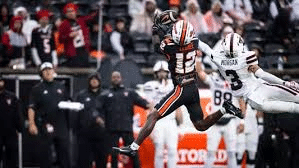


Spring football has chased credibility for a long time, and the current version of the UFL is quietly getting closer than most. It will never be the NFL, that is not the point, but it has become something fans can count on, a league with recognizable coaches, a growing list of players with real upside, and games that feel competitive rather than experimental. As this season moves into its middle stretch, the stories that make spring football matter are starting to sharpen into focus.
Spring Football Is Way Better Than You Think
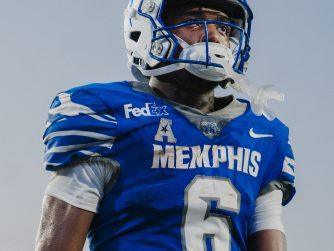
For a lot of players, the UFL is the purest form of a second chance. These are quarterbacks who were buried on NFL depth charts, receivers who never quite put it together in camp, and defenders who were replaced by the next rookie class before they could figure things out. In this league, they start, they play every snap, and they stack tape that can either revive a career or confirm a scouting report. When a quarterback leads a late drive on a Sunday afternoon in April, he is not just trying to win a UFL game; he is trying to convince an NFL scouting department to pull up his cut-ups in May.
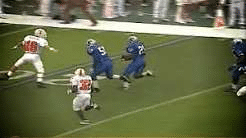
The teams themselves have begun to take on distinct personalities. Some franchises lean into physicality, trying to bully people at the line of scrimmage and win with defense and field position. Others embrace tempo and creativity, understanding that fans watching in the spring want to see points and explosive plays. Through a few weeks, patterns emerge, a club that finds itself in one-score games every weekend, another that either wins by twenty or loses by twenty, no in between. The standings matter, of course, but the styles are what give the league its flavor.
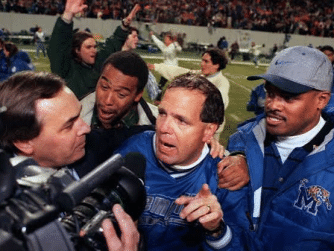
Coaches in this league walk a fine line. Many of them have NFL experience, either as assistants or as former head coaches, and they carry that vocabulary, that structure, into practice. At the same time, they know their players are chasing something beyond the current season. That means trying to install systems that both win and showcase. A defensive coordinator might call more pressure than he would on Sundays, knowing that giving his edge rusher one more clean one-on-one against a tackle could be the difference between a training camp invite and a quiet summer.
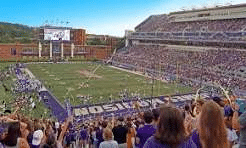
The fan experience is gradually becoming its own draw. Stadiums are smaller, tickets are cheaper, and access feels more intimate. You can sit closer to the field, hear the crosstalk between players, and see the expressions after a big hit. Kids can leave with autographs and pictures in a way that is harder to pull off in the fall. For markets that do not have an NFL team, or for fans simply hungry for live football in April, that matters.
As the regular season pushes toward its back half, playoff races will start to take shape, and with them, pressure. A league like this does not offer long contracts or guaranteed roles. Every week can be a job interview, every game can be a pivot point. When a team is fighting for one of a few postseason spots, mistakes become more costly, standout performances more valuable. Somewhere in this stretch, a player will have the kind of month that changes his path, from UFL regular to NFL camp story to Sunday contributor.