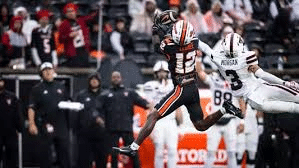

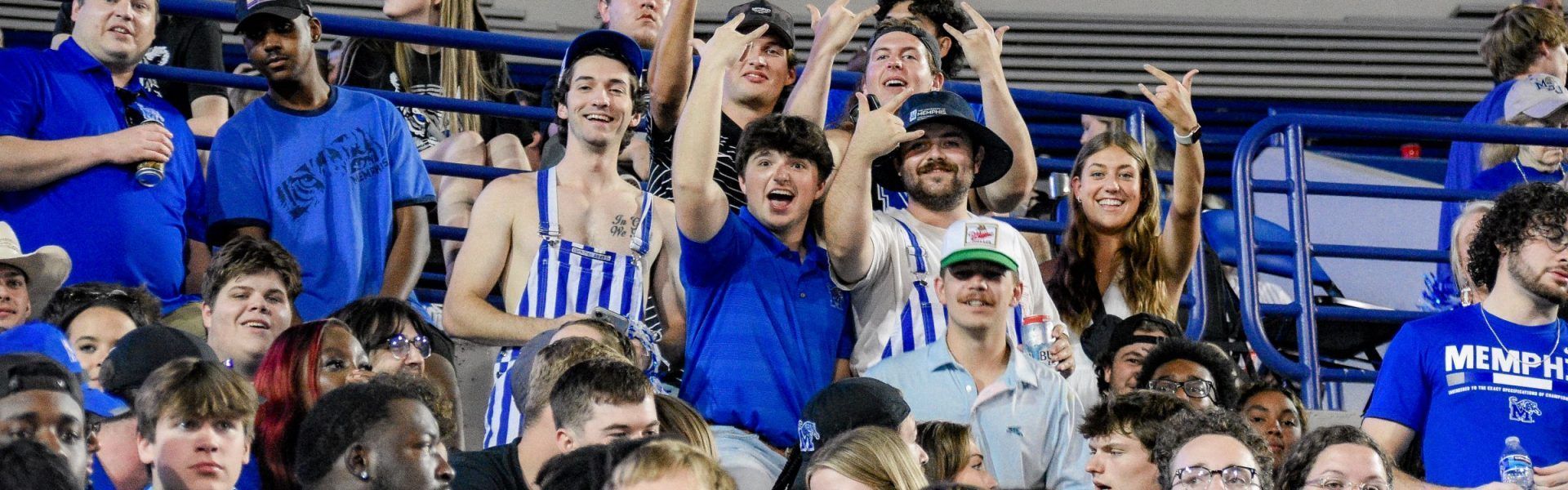

The heartbeat of Memphis football doesn’t start with a whistle, a kickoff, or the opening drumbeat of the Mighty Sound of the South. It starts long before that, in parking lots filled before sunrise, in living rooms layered with generations of season‑ticket stubs, in the steady, unwavering pride of a city that has carried this program through every high and low. Fan culture in Memphis is not a trend, not a marketing buzzword, not a commodity. It is a living force, handed down, layered deep, and built on toughness that mirrors the very soul of the city. Memphis football fan culture is distinct because it embodies who Memphis is: gritty, loyal, resilient, loud, proud, and always ready for the next fight.
The city’s relationship with the Tigers is unlike most college football towns. This is not a place driven by championships or national headlines. This is a fanbase that shows up out of love, history, and identity. For decades, while other programs found momentum through conference prestige or national attention, Memphis fans created their own traditions and their own sense of belonging. They stayed through lean years, cold nights, and seasons where hope was the only thing filling the stands. They stayed because Memphis football, at its core, represents them. It is their team, not borrowed, not inherited from a neighboring town, not overshadowed by a powerhouse. Memphis fans show up because they believe in Memphis.
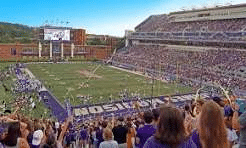
Tailgating in the 901 is its own cultural ritual. Fans pack Simmons Bank Liberty Stadium hours before kickoff, unfolding tents, lighting grills, and turning parking lots into living neighborhoods. The smell of barbecue hangs thick in the air, ribs, wings, burgers, and Memphis-style spice mixes that have become unofficial staples of game day. Kids throw footballs between parked trucks while older fans lean back in folding chairs, catching up on stories from seasons past. Music pulses from portable speakers. Alumni greet each other like extended family. These scenes repeat themselves across generations, creating memories that stick long after the games themselves fade.
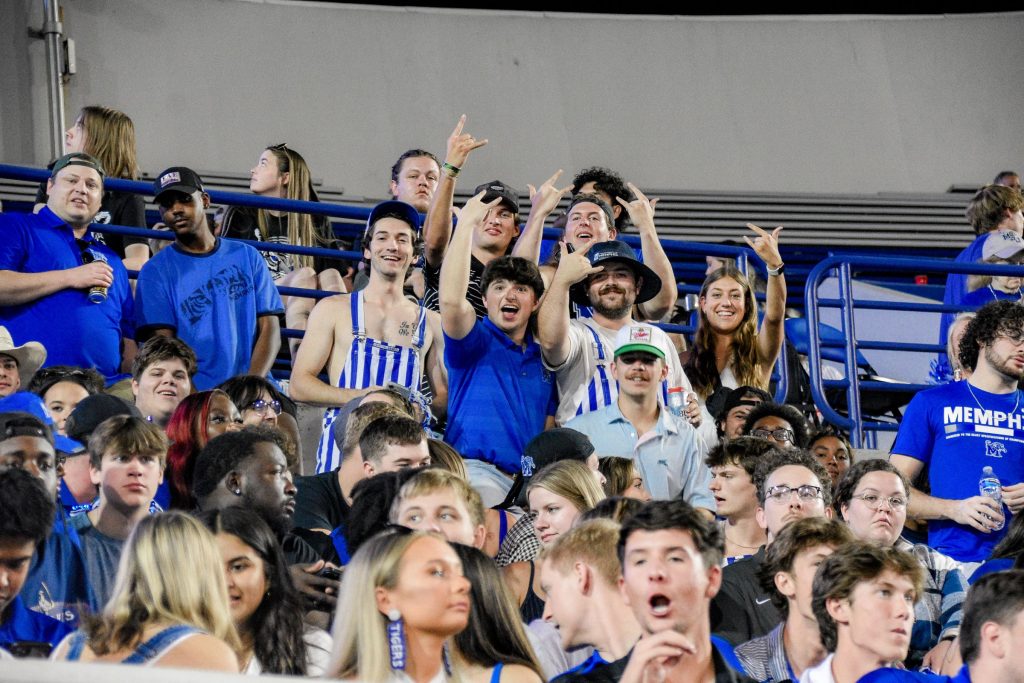
Once the gates open, the energy shifts. The Liberty Bowl’s concrete bones have held decades of emotions, heartbreaks, eruptions of joy, historic upsets, and unforgettable nights under the lights. Fans pour in wearing blue and gray, carrying the same passion regardless of standings or record. Some sit in long‑held family seats, passed down like heirlooms. Others gather in student sections filled with raw noise and youthful energy. But every person inside knows the truth: Memphis fans bring volume, edge, and attitude.
The game-day noise from the Tigers faithful is not simply loud, it’s purposeful. It rattles offensive lines, disrupts play calls, and pumps adrenaline through the defense. When the crowd swells on third down, it creates a uniquely Memphis kind of roar, a deep, echoing sound that rolls across the stadium like thunder off the river. And when that noise erupts after a big play, it feels less like cheering and more like a collective declaration: “This is our house.”
Fan culture in Memphis is shaped not only by traditions but by the city’s identity. Memphis is a place built on music, food, and resilience. The city has fought through economic challenges, natural disasters, and rebuilding eras, and each time, it has found its footing again. That spirit shows up on Saturdays. Fans cheer not just for football but for community, pride, and a sense of belonging. When the Tigers take the field, they carry the weight of a city that has always fought for recognition. The fans understand that intimately.
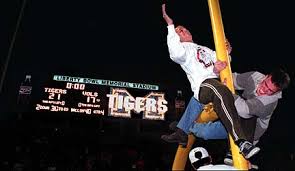
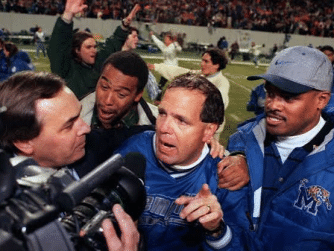
What separates Memphis fans most is loyalty. Anyone can fill seats when a team wins; Memphis fills them when it matters. Through 3‑8 seasons in the 1990s, through rebuilding years, through coaching changes and conference shifts, fans still turned out. They stayed loud. They stayed invested. They brought their kids, and their kids grew into fans who bring their own children now. That generational loyalty forms the backbone of everything the program is today.
As Memphis football evolves, with new renovations, conference ambitions, and rising expectations, fan culture is becoming even more powerful. The new stadium enhancements aren’t just for aesthetics; they are acknowledgments of the fans who built the foundation. Premium seating, improved concourses, and modernized fan zones elevate the experience, but they don’t change the essence. Memphis fans still bring the same grit, the same pride, the same unfiltered emotion that has always defined the Liberty Bowl.
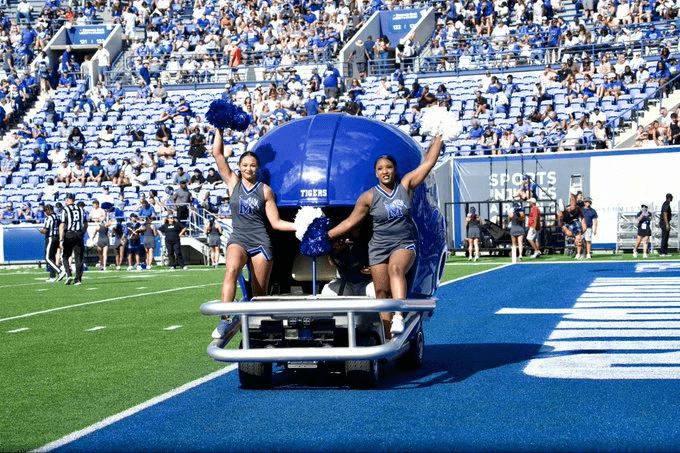
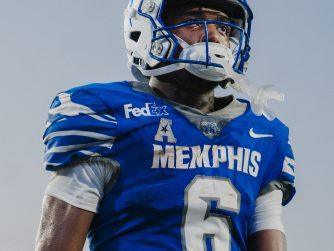
The 2026 season taps into that spirit more than ever. With Huff’s message of “Close the gap” spreading through the program, fans have embraced the idea that they are part of the mission. Crowds are expected to be louder. Tailgates busier. Student sections are fuller. Memphis understands that fan energy can tilt games, especially in a conference where environments vary wildly. The Tigers may not have the biggest stadium in the AAC, but few venues feel as personal or as emotionally charged as a packed Liberty Bowl.
Ultimately, Memphis fan culture is a story of identity, a shared heartbeat between team and city. It’s a culture built on sweat, pride, perseverance, and the steady belief that Memphis belongs on the national stage. Fans don’t just support the Tigers; they carry them. They elevate them. They push them forward through noise, presence, and relentless loyalty. Memphis football isn’t just a sport.
It’s a community.
It’s a family.
It’s a tradition.
It’s Memphis.