
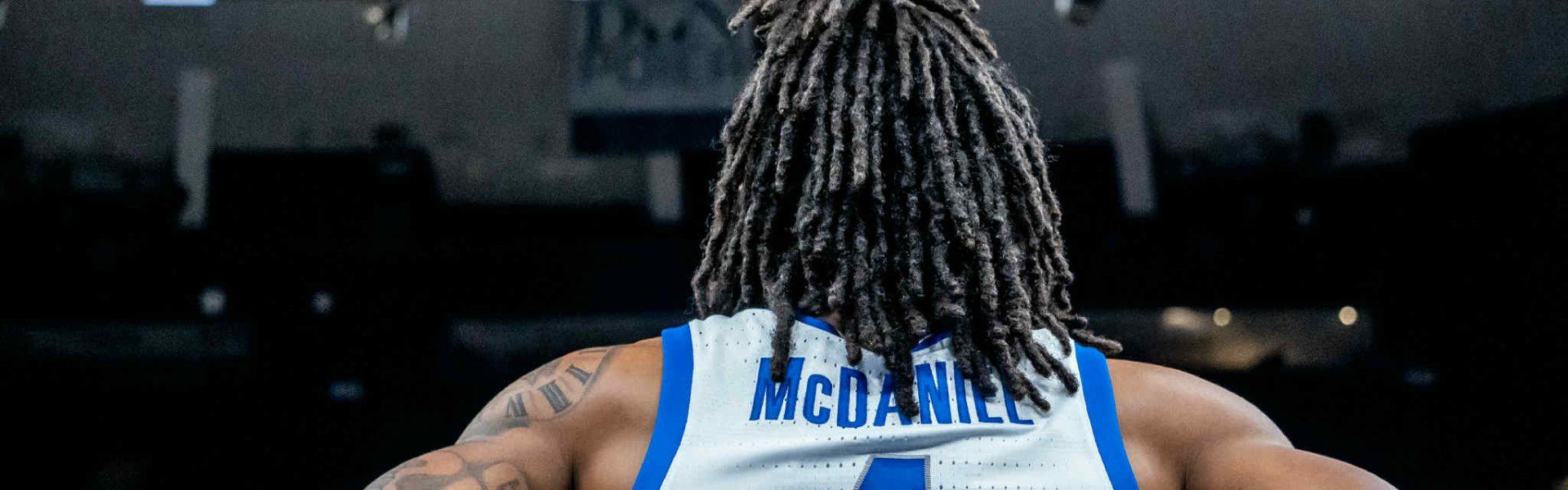
Behind the Stats, Athletes Are Fighting a Mental Health Crisis That Sports Culture Can No Longer Ignore
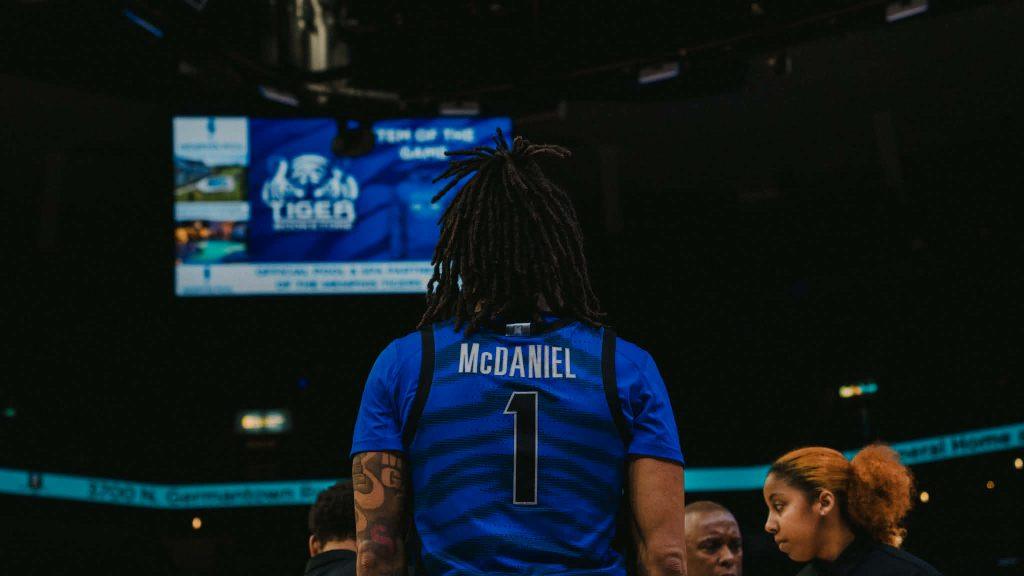
The scoreboard screams blowout. But look closer — the story isn’t just in the score. In locker rooms everywhere, players sit with ice on their knees, phones in their hands, and questions no stat sheet can answer. What happens when the game that’s supposed to save you starts to break you?
For a hundred years, sports have sold us a clean promise — competition builds character, discipline, resilience. And for many, it does. Studies still show athletes often report lower rates of depression and suicide than their peers. Team, purpose, and routine protect them — to a point. But that same research says something darker: the raw numbers are climbing, fast. Suicide is now the second leading cause of death among NCAA athletes. The rate has doubled in twenty years.
That’s not a subplot. That’s a crisis.
The Cost Of Toughness
Sports still worship toughness like religion. Play hurt. Don’t complain. Don’t be a distraction. You tape the ankle. You bury the doubt.
When Naomi Osaka walked away from the French Open in 2021 to protect her mental health, she was fined, doubted, then — eventually — respected. Simone Biles did the same in Tokyo. To some, she quit. To others, she redefined what it means to survive when the world demands perfection. Their choices forced a reckoning. Tennis leadership pledged mental health reform. The old “shut up and play” creed began to crack.
But if superstars with money and power struggle to be believed, what chance does a mid-major bench player have? A swimmer no one tweets about?
Numbers That Don’t Fit The Narrative
Strip away the branding, and the data hits hard. NCAA surveys show rates of exhaustion, anxiety, and depression have nearly doubled since before the pandemic. Almost half of college athletes cite academic stress; more than a third fear the future; many say money problems cut directly into their mental health.
And the scariest number? Suicide now makes up a much larger share of athlete deaths than a generation ago. Yes, athletes might contemplate self-harm less than others — but tell that to the families burying teammates. The locker room’s protection isn’t reaching everyone.
It doesn’t stop in college. In pro sports, as many as one in three athletes will face a serious mental health crisis — anxiety, depression, eating disorders, or substance abuse. For people we call “mentally tougher” than the rest, that should stop every press conference in its tracks.
The System Scrambles To Catch Up
Institutions have noticed. The NCAA now mandates mental health education, screening, and resources at every member school. It’s progress — language that finally sounds like infrastructure.
But athletes know when the talk doesn’t match the reality. Only half believe their department truly prioritizes mental health. Many don’t even know who to call. Some feel hopeless. On paper, the sport looks better. On the ground, players still feel alone.
And the modern storm keeps growing. Social media immortalizes every bad game. Sports betting feeds fan anger — and it’s the players who take the verbal hits. The NCAA is begging states to ban prop bets on individual athletes. Think about that: we’ve reached a point where kids barely out of high school need protection from gamblers with a Wi-Fi signal.
How many nineteen-year-olds can carry that, with nothing but a playbook?
Athletes Leading The Conversation
Ironically, it’s the athletes themselves who are leading the shift. Kevin Love spoke about panic attacks. DeMar DeRozan opened up about depression. Michael Phelps shared his darkest moments. Osaka and Biles took their stands. Together, they changed how fans see pain. Studies now show fans often express more empathy toward athletes who open up about mental health than toward those with physical injuries. That’s a breakthrough.
Boston’s Chris Martin went on the injured list for anxiety. His manager didn’t question him — he praised him. Not long ago, that would’ve been whispered away as “personal reasons.” Now, it’s recognized as a strength.
But we can’t confuse a few brave headlines with victory. For every superstar with a platform, hundreds of fringe players still fear that one honest conversation could cost them everything — a scholarship, a roster spot, a career. They see the campaigns. They see who disappears afterward.
The Questions We Can’t Avoid
Sports can still protect. They can still give belonging, purpose, and meaning. But the rising toll — suicides, depression, burnout — shows those protections are cracking. Policies look good in press releases, yet too many institutions haven’t caught up to reality.
So, the next questions are ours to answer:
Coaches — will a “mental health day” count the same as resting a pulled hamstring?
Athletic departments — will you fund counseling like you fund weight rooms?
Leagues — will you protect players from the abuse that follows every lost bet?
And fans — will you admit your role? When we fire off posts and memes about “softness,” when we demand total access and instant redemption, what happens when the pressure finally breaks someone?
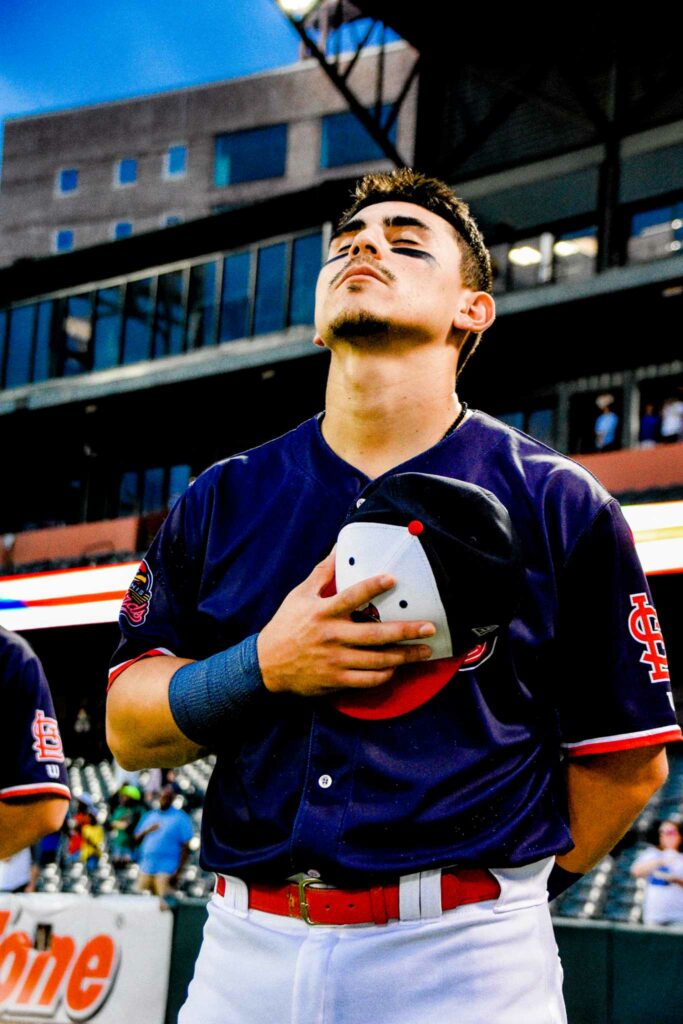
The jerseys change. The stories repeat. In a world obsessed with stats, maybe the most important number isn’t in the box score at all — it’s the one we never ask out loud:
Did you sleep last night, or did the game you love keep you awake, wondering if it’s slowly killing you?