
Winter will still be clinging to Memphis on February 13, but inside FedExPark Avron Fogelman Field, it will feel like the moment this Memphis baseball program has been building toward for three years. An older, tougher Tigers roster believes it’s finally ready to stop chasing the American and start shaping it. Memphis isn’t just trying to make noise in 2026 — it’s aiming to reset the standard for the entire program.
A Cold Day, A New Beginning
On a cold February afternoon at FedExPark Avron Fogelman Field, winter will still hang in the air. The chill will cut across the outfield and creep into the bleachers, the kind of day where you see breath in the first inning and numb hands by the third. Yet for Memphis baseball, that cold is a backdrop, not a headline. The real story is what’s finally taking shape after three years of deliberate roster-building and culture work.
The three-game set with Toledo on February 13 is more than an opening weekend. It’s the public unveiling of a program that has quietly grown older, tougher, and far more confident. Memphis is no longer a roster full of wide-eyed underclassmen trying to find their footing in the American Athletic Conference. It’s a dugout packed with graduate students, seniors, and third-year players who believe they can force their way into the league race, regardless of where anyone picked them in January.
Riser’s Gauntlet: Prove It From Day One
Head coach Matt Riser has embraced that belief and built a schedule that refuses to be gentle. Memphis will play 31 times at FedExPark, but the comfort of home comes with no soft landings. A dozen opponents reached NCAA Regionals last season, and four more advanced to Super Regionals. If the Tigers want to be taken seriously, they have to survive and thrive against postseason-caliber competition.
The path is intentionally steep. The grind starts with Toledo and ramps quickly into the Grind City Classic with Louisiana Tech and Ohio State. Later come headliners like Ole Miss, Mississippi State, East Carolina, and UTSA. Every one of those series is both a measuring stick and an opportunity. If Memphis wants to matter in May, it has to prove from the first pitch in February that it belongs in that conversation.
Culture, Retention, and an Older Dugout
That’s a bold way to live for a program coming off a 22–33 season, but it fits the way Riser sees his roster. Rather than resetting every offseason, he has doubled down on culture and retention. The staff has leaned hard into the Mid-South, junior colleges, and experienced transfers, building a team that looks more like a seasoned minor-league club than a typical college roster. Age and innings are features, not flaws.
Nearly every corner of the dugout reflects that philosophy. There are graduate students who have already seen the SEC and ACC up close, seniors who have survived the grind of 56-game seasons, and third-year players who know what it looks like when the AAC schedule tightens. That collective experience is the backbone of Memphis’ quiet confidence. The Tigers don’t have to imagine what big moments feel like; they’ve already lived versions of them elsewhere.
A Staff Built on Pressure and Matchups
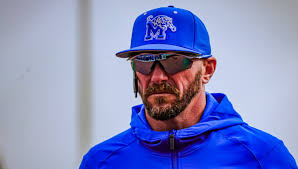
Riser’s own résumé pairs naturally with that older roster. He arrived at Memphis after a successful run at Southeastern Louisiana, built on an aggressive, blue-collar identity, and that style has followed him into the AAC. The Tigers want to pressure opponents, steal 90 feet when it’s there, and play fast without being reckless. They aim to win the details: base running, situational hitting, defensive positioning, and the subtle swings of momentum that decide close games.
That identity extends to how Memphis uses its pitching. Associate head coach Cory Barton helps drive the offense and recruiting, while pitching coach Kyle Cameron shapes a staff that is as versatile as it is veteran. On paper, this may be the deepest and most balanced group Memphis has rolled out in years. Player-development and analytics voices pour in scouting reports and metrics, all with one goal: put each arm and bat in the best possible situation to succeed, inning by inning.
Adjusting After Ted Tom’s Departure
No program escapes turnover, and Memphis is no exception. In January, respected assistant and hitting coach Ted Tom left for a High‑A managerial job in the Nationals’ system, taking a trusted voice out of the cage and off the recruiting trail. For many teams, that kind of late shift would threaten continuity at the worst time of year.
Riser treated the change as an adjustment, not a crisis. He elevated J.D. Davis’ influence on the offensive side, leaning on Davis’s feel for player development and approach. While the search continues for a long-term recruiting voice, the day-to-day work remains steady. With an older lineup, the emphasis is less on teaching fundamentals and more on refining swing decisions, game plans, and the ability to execute when games inevitably tighten.
Infield First: Cox, Hernandez, and Company
On the field, Memphis has been built from the dirt out. Graduate infielder Shane Cox returns as the centerpiece of the infield and the lineup. At 6‑3 and physical from the right side, he brings a blend of run production, presence, and toughness that every college lineup covets. He’s the kind of bat opponents game-plan around, and the kind of leader teammates naturally follow.
Beside him, middle infielder Javon Hernandez brings a complementary skill set. Well-traveled through multiple programs, Hernandez offers on‑base ability, savvy, and defensive stability up the middle. Around that core, corner infielders like Tyler Harrington, Freddy Rodriguez, and transfer Jack Little push each other daily. They bring power, versatility, and competition, giving Riser the freedom to ride hot bats without sacrificing defense or leadership.
Big Bats at First and DH
First base and designated hitter are defined by size and strength. Junior left-handed bat Barret Rodgers profiles as a classic middle-of-the-order presence who can anchor first base and still provide value on the mound. His frame and swing give Memphis a natural run producer who can change games with one swing and force opposing staffs to rethink matchups whenever he’s in the box.
Behind him, freshmen Kyle Mabie and Gabe Boyd represent the next wave. Both are physical local products, already strong enough to compete for at-bats now while still carrying real long-term upside. They don’t have to carry the offense from day one, but they can lengthen it. Freshman utility man AJ Greene adds another wrinkle, giving the staff a player who can bounce around the diamond as injuries, performance, or matchups dictate.
Outfield Speed and Power Mix
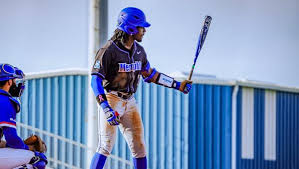
In the outfield, Memphis has married speed with muscle. Senior center fielder Michael Gupton is the heartbeat of that group. After stops at NC State, junior college, and Samford, he brings high-end quickness, range, and experience to the middle of the diamond. He’s the natural spark at the top of the order, the kind of player who can change an inning with a walk, a steal, or a ball in the gap.
The corners offer a different type of threat. Redshirt junior Marcus Smith, left-handers Parker Price and Cade Hitson, and 6‑3 masher CJ Willis bring a mix of left-right balance and extra-base potential. They give Memphis multiple ways to attack right-handed and left-handed pitching without losing pop. Behind them, redshirt freshman Webb Watson and two-way senior James Smith IV add depth and upside, allowing Riser to tailor his outfield look each weekend.
Depth and Platoons Behind the Plate
Few college programs truly feel secure about their catching situation. Memphis has a chance to be an exception. Sophomore Jack Pitts returns with Division I experience and a growing reputation as a steady, calming presence behind the plate. Pitchers trust him, and that trust shows up in tempo, strike stealing, and a willingness to attack hitters in big spots.
He’s not alone. Transfers Trae Cassidy and Brady McAbee bring game reps and left-handed bats, opening the door for true platoons that many staffs can only dream about. Riser can pair specific catchers with specific arms, hunt favorable matchups, and keep legs fresh over a long season. Redshirt freshman Seth Giamportone adds a sturdy developmental piece, giving the room both present stability and future continuity.
Veteran Arms: Memphis’ Biggest Edge
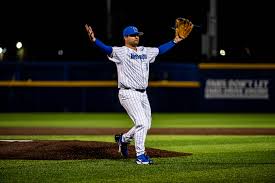
On the mound, Memphis may have found its clearest advantage. The staff is stacked with graduate and senior arms who have already pitched in the SEC, ACC, and strong mid-major environments. Right-hander Brayden Sanders, a preseason all-conference pick, looks every bit like a weekend anchor. Whether he takes the ball on Friday nights or roams as a multi-inning weapon, his presence is central to how the Tigers script games.
Surrounding him is an experienced left-handed core: Jacob Dienes, David Case, Eli Curtis, Logan Rushing, and Isaac Lucas. Together, they give pitching coach Kyle Cameron a rare luxury. He can string together different looks across a series, constantly shifting handedness, angle, and approach without showing inexperience. For opposing lineups, that means there may be no easy at-bats the third time through the order or the second day of a weekend.
Depth for the Grind of the AAC
Even behind the headliners, the depth continues. Veterans like Caden Robinson, Seth Garner, Nolan McCracken, and Charlie Smith offer dependable innings that can plug into rotation, bulk, or leverage roles as needed. Younger arms such as Will Howell and freshmen Aiden Steht and Lance Bryan can be eased into action, learning the league while still contributing in midweeks or lower-leverage spots.
In the AAC, depth often decides who survives the final month. Injuries, short outings, and compressed schedules expose thin staff in a hurry. For the first time in years, Memphis looks built to withstand that grind. Riser and Cameron won’t have to force a tired arm back out or lean on one or two pitchers to do everything. Instead, they can manage workloads in February and March with May firmly in mind.
Can the Offense Match the Arms?
The central question still lingers: can the bats keep pace with the arms? Last year’s 22–33 record and a modest preseason perception speak to doubts about offensive consistency more than talent. The staff believes that experience, continuity, and a clearer identity can close that gap. With older hitters, the challenge is sharpening approach, not reinventing swings.
Inside the clubhouse, there is little interest in outside opinions. Riser’s emphasis on culture and retention has produced a room full of local players and veteran transfers who don’t see themselves as background characters in the AAC. They see themselves as a problem for everyone else, a team that may not win every weekend but will make every series feel like a fistfight. If the bats can match the tone set by the arms, Memphis becomes a very different opponent.
Toledo Opener as a True Measuring Stick
We’ll start to get answers when Toledo rolls into town. The Rockets are the first hurdle in a 55-game run that includes long bus rides, SEC visits, and a stacked May in league play. For Memphis, that first weekend is more than a ceremonial opening. It’s a live-fire test of everything they’ve preached during fall ball and January workouts, from culture to depth to approach.
All eyes will be on how Riser and Cameron deploy their arms. Does Sanders take the Friday ball? How quickly do they turn to veterans like Dienes or Case for leverage? Just as telling will be how the lineup settles. How Cox and Hernandez stabilize the infield, how Gupton sets the tone at the top, and how the supporting bats respond when the game inevitably tightens will offer early clues about who these Tigers really are.
If the Tigers Are Who They Think They Are
If Memphis looks like the team it believes it can be—older, deeper, relentless—then the chill in the air on February 13 might be the last truly cold thing about this season. The schedule won’t get easier, the league won’t get softer, and the margin for error will remain thin. But for a veteran group built for the grind, that’s part of the appeal.
March and April will reveal plenty, and May in the AAC is never forgiving. Yet for the first time in a while, Memphis takes the field not just hoping to hang around, but expecting to belong. If that belief survives the early gauntlet, the rest of the conference may find out that the Tigers are far closer to nightmare than afterthought.