
Penny Hardaway, the player, and Penny Hardaway, the coach, are not just different chapters of the same story. They are two different books entirely. One is sacred, almost untouchable in this city’s memory. The other is running out of pages to prove it belongs on the same shelf.
The Legend At Memphis State
Before he ever wore a suit or walked into a press conference, Penny Hardaway was pure electricity in a Memphis State uniform. He wasn’t just a star; he was the answer for a program that had been staggering and needed someone to drag it back into the light. When he finally hit the floor after sitting out because of academics, he didn’t ease in. He kicked the door off the hinges.
You could feel it every time he touched the ball. The building leaned forward. The opponent flinched. He rebounded like a forward, passed like a seasoned point guard, scored like a pro, and defended like the game actually meant something to him. He didn’t just rack up stats; he controlled the entire temperature of a game. That Elite Eight run isn’t some fuzzy, exaggerated memory. It was real, it was earned, and it was built on the back of a hometown kid who refused to be small on a big stage.
Memphis State was dangerous because Penny made it dangerous. National eyes came back. Big brands suddenly wanted no part of seeing Memphis State in their section of the bracket. He turned potential into production, hype into results. The jersey in the rafters is not some courtesy gesture. It is a statement: this guy carried a program, carried a city, and did it in a way that still echoes decades later.
Player Penny never needed anyone to make excuses for him. He took the pressure, swallowed it, and went to work. When it mattered most, you trusted him. You still do.
The Coach Who Came Home
When Memphis brought him back as head coach, it wasn’t just a hire. It felt like a homecoming, a healing, a story everyone wanted to believe in. Penny Hardaway, NBA All‑Star, Memphis icon, is coming back to restore the shine on a program that had drifted. The marketing didn’t have to work hard. The city was already sold.
And for a while, the surface story looked good. Twenty‑win seasons came back. The Tigers stopped stumbling around in the wilderness and started stacking respectable records again. Conference titles returned. A dusty trophy case picked up some new hardware. The NCAA Tournament drought ended, then turned into back‑to‑back appearances. Recruiting suddenly looked like it did in Memphis’ glory days. Big‑time prospects were actually choosing the Tigers again, because playing for Penny meant something.
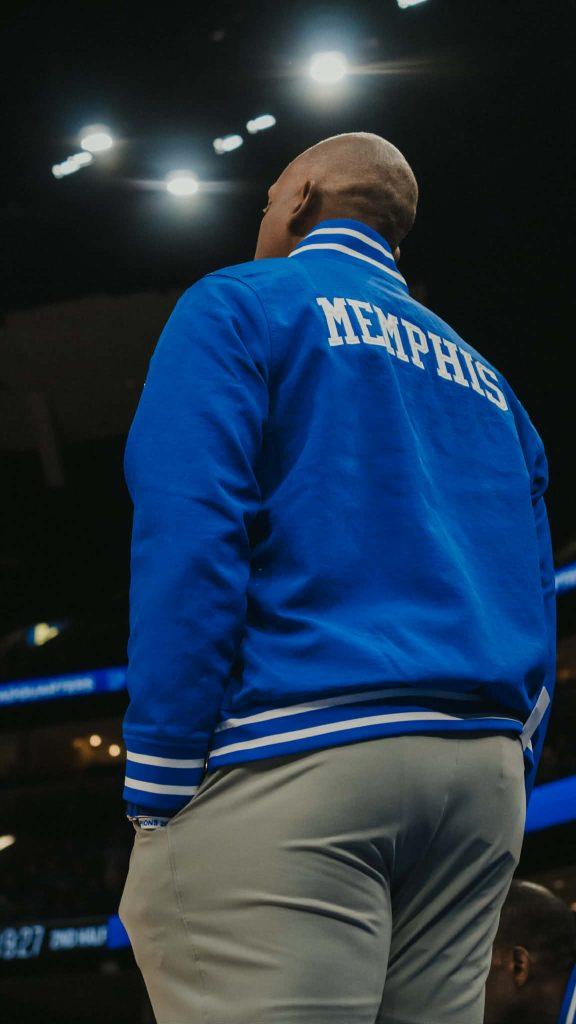
That mattered. It still does. He woke up the brand. He made Memphis feel big again. But here’s the part that gets skipped too often: this job isn’t about feeling big. It’s about being big when it counts. And that’s where the story breaks.
The Results Don’t Match The Hype
Strip away the name. Strip away the history. Strip away the nostalgia. Look at what’s actually been accomplished when the lights are brightest. One NCAA Tournament win. For all the noise, all the talent, all the emotion poured into this era, that’s the bottom line. One.
You can dress it up however you want. You can talk about how far the program had fallen before he took over. You can talk about the regular‑season improvement, the conference titles, and the recruiting wins. All of that is real. But Memphis is not a program that should be judged on whether it can win in February and hang around the bubble. This is supposed to be a program that terrifies people in March. Under Penny, the coach, it doesn’t.
Too many seasons have followed the same pattern: early promise, midseason chaos, late “fight,” and then a quiet, flat ending. One more frustrating first‑round exit. One more press conference about what could have been. One more offseason built on “if this, if that, then maybe next year.” At some point, you stop calling that a process and start calling it a ceiling.
The honest truth is brutal: the player version of Penny raised Memphis State above its expectations. The coach version of Penny keeps falling short of this program’s real standard.
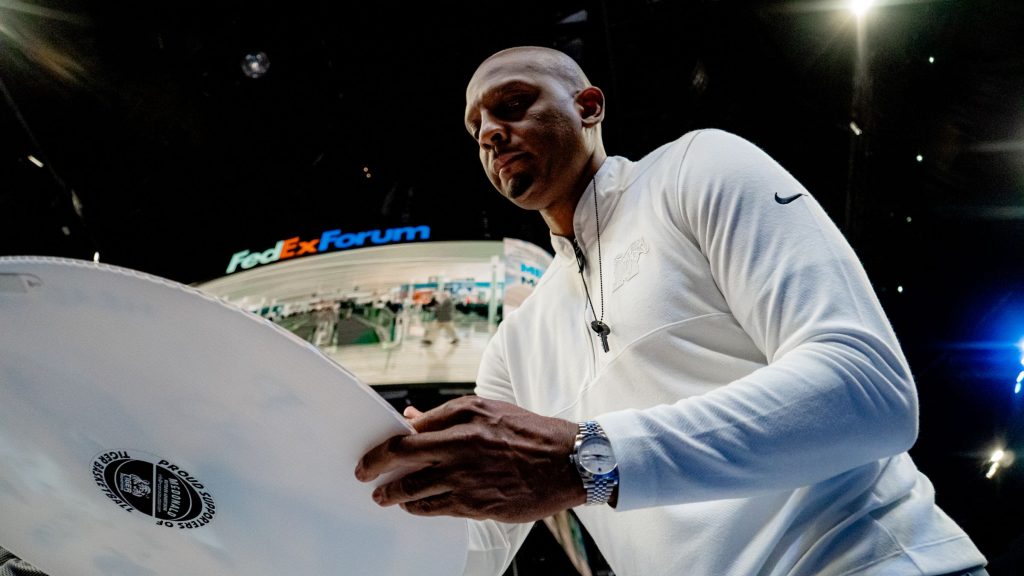
Nostalgia Versus Accountability
This is where the emotions get in the way of the facts. People in this city love Penny Hardaway. That love is real, earned, and deserved—for what he did in that uniform. But right now, that love is also getting in the way of a clear‑eyed conversation about what is happening on the sideline.
If this were any other coach with the same record, the tone would be completely different. The patience would be thinner. The questions would be sharper. The talk shows would be relentless. The boosters would be restless. Instead, because it’s Penny, everything is softened. Every disappointment gets wrapped in qualifiers. Every failure gets spun as a step in some endless journey that never quite reaches its destination.
That’s not respect. That’s the fear of telling the truth about someone this city cares about.
Separating Penny the player from Penny the coach isn’t disrespectful. It’s the only honest way to do this. The player deserves permanent reverence. He should never be dragged into coaching debates as a shield. The coach, though, is in a results business. He is responsible for game plans, in‑game adjustments, discipline, culture, and how this team looks when everything is on the line. Those things have to be judged on their own, without the halo of the past.
You cannot keep grading the present on the curve of your favorite memories. At some point, you have to be just as tough on the sideline version of Penny as you would be on anyone else wearing that job title.
What Memphis Has To Decide
This is the uncomfortable spot Memphis has walked itself into. On paper, the résumé looks solid enough: high winning percentage, regular 20‑win seasons, conference success, big recruiting wins. At a lot of schools, that’s more than enough to buy a coach unlimited time. But Memphis is not just any school. This program has history, expectations, and a fan base that knows what a real national threat looks like.
So the question is not “Do you love Penny Hardaway?” The city already answered that years ago. The question is, “Are you willing to hold Penny Hardaway, the coach, to the same standard you claim this program deserves?” If you lower the bar because of who he used to be in a jersey, then the program has already surrendered something important.
Memphis State got the fearless, dominant, big‑moment version of Penny. He lifted the whole thing. Memphis, as a modern program, has gotten a coach who can keep the floor high, but has not proven he can push the ceiling to where it belongs. That’s not hate. That’s reality.
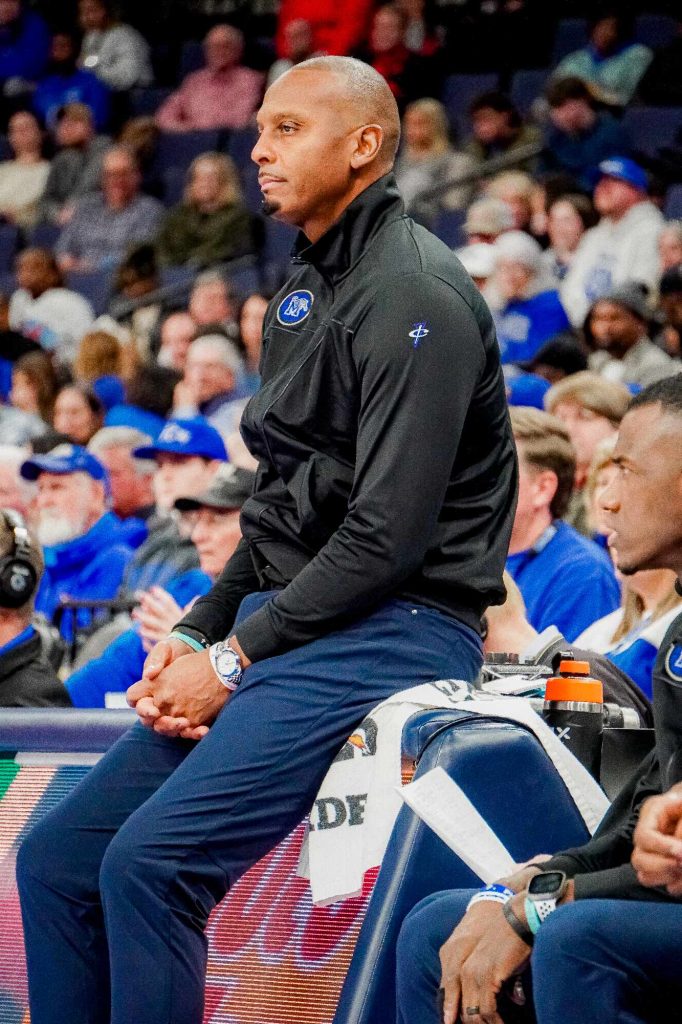
If this is still supposed to be a serious basketball school, the path forward is clear, even if it isn’t easy. You honor Penny the legend forever. You never touch his legacy as a player. You never rewrite that history. But you stop hiding behind it. You look at Penny the coach with clear eyes, you measure him by the same standards you would use for anyone else, and you decide whether this era is truly taking Memphis where it says it wants to go.
Because in the end, it comes down to this: the jersey in the rafters doesn’t coach the team. The man on the sideline does. And it’s past time to judge him like it.