
In a Sport That Rushes To Police Portals and Parlays, One Controversial Hire Shows Where Accountability Actually Ranks on the Priority List
The NCAA Hammered Transfers and Gambling. But Art Briles Can Still Coach?

If This Is What “We’ve Learned From Baylor” Looks Like in 2026, College Football Has Some Ugly Questions To Answer About Who Gets Forgiven — And Who Decides
Fast Rules for Some Problems, Silence for Others
College football has become very good at pretending certain problems are urgent. Transfer chaos? Fix the windows. Gambling concerns? Get a statement out, hand down discipline, and start talking about integrity. Eligibility disputes, NIL structures, tampering complaints, and roster instability have all produced a rush of rules, clarifications, and public messaging in just the last few years. When competitive balance or business structure feels threatened, the sport suddenly finds its voice.
On Art Briles, it spent years doing something else: stalling.
That contrast is the whole story. The NCAA and its power brokers have shown they can move quickly when they believe a problem touches rosters, money, television value, or the overall shape of the product. But when the question is whether a coach tied to one of the ugliest institutional scandals in recent memory should ever lead a college program again, the certainty disappears. The language gets softer. The standards get blurrier. The urgency goes missing.
Briles was fired by Baylor in 2016 after the university’s sexual assault scandal became one of the most damning stories college football had seen in years. The details of that era did not simply stain the program. They rewired how people talked about leadership, player oversight, and what universities owed victims and communities. Baylor’s football rise under Briles could no longer be separated from the failures that sat beneath it. That should have been a moment when the sport defined its line in permanent terms.
It never really did.
The NCAA’s later infractions findings made that painfully clear. The panel did not hit Briles with a show-cause order or pin his conduct neatly to classic Level I or II violations. But it still used brutal language about how he handled serious information. The panel described his attitude toward potential criminal conduct as deeply troubling and said he failed to meet even the most basic expectations of how a person should respond in those situations. That sounds like moral clarity. What it was not, however, was a durable professional line that prevented another school from eventually hiring him.
That gap matters. College football loves to sell itself as a sport of standards, discipline, and leadership. Coaches preach accountability. Commissioners talk about culture. Schools tell parents they will care for players and develop them in the right environment. But when one of the sport’s most visible scandals produced no clean, lasting standard for whether a coach could return, the system told on itself.
The Standard That Never Came
Because if college football really wanted to show that player safety and institutional accountability mattered as much as the transfer portal or gambling, this is where that commitment would show up. Not in slogan-heavy press conferences. Not in broad mission statements. In actual boundaries. In real consequences. In language strong enough that smaller schools would not even bother talking themselves into a comeback experiment.
Instead, the sport drifted. Briles stayed in football orbit. There were whispers, attempts, and failed restarts. The most visible one came in 2022, when Grambling State hired him as offensive coordinator before backlash forced the situation to collapse in days. That episode looked like a verdict in real time, but it was really only a public-relations correction. It said the hire was too noisy, not that the line was permanent.
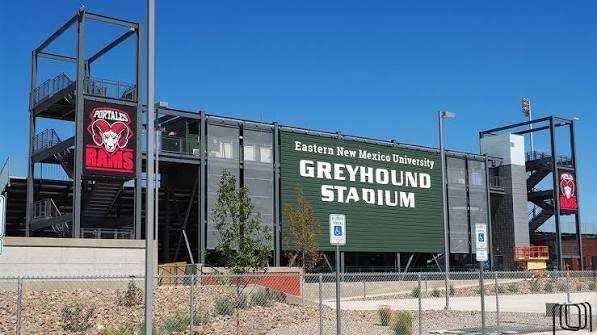
That distinction is why Eastern New Mexico could step in later and say yes. The school did not break a written rule. It did not violate a formal ban. It just acted in the gray space college football left behind when it chose not to define what disqualifying failure looks like in a case like this. That gray space is where accountability goes to die.
And it tells you something uncomfortable about the sport’s priorities. The NCAA and conferences can tighten transfer windows because they want roster order. They can talk loudly about gambling because it threatens confidence in the product. They can pour energy into NIL structures because those fights reshape money and power. But when the issue is human harm, institutional failure, and the type of leadership that should permanently disqualify someone from guiding young athletes, the sport becomes strangely patient. Almost passive. As if time itself can do the moral work that institutions refuse to do.
That is why Briles’ return is not just about one coach, one school, or even one scandal. It is about the future. If there is still no shared standard for what permanently bars a coach from returning, then every future case becomes a negotiation. One school says yes. Another says no. Another says the person has “paid enough.” Another says the level of the next job changes the equation. None of that is accountability. It is improvisation dressed up as process.
The legal environment around college sports only sharpens that point. Lawsuits over athlete compensation, contracts, eligibility, and governance are not slowing down unless the sport is forced into a new structure. That means the system is already being reshaped in courtrooms because its old logic no longer holds. If it cannot define something as fundamental as what professional consequences follow catastrophic leadership failure, then the loudest message it sends is simple: some things are worth codifying, and some things are easier to leave conveniently unresolved.
Briles’ presence on a sideline in 2026 tells you exactly which category this fell into.
Maybe Eastern New Mexico becomes a one-off, a school that willingly absorbed a storm no one else wanted. Maybe the backlash remains strong enough that others still stay away. Or maybe this becomes the next stage in a familiar sports cycle, where enough time passes, outrage cools, and controversial figures slowly find new lanes because the institutions around them never built a real wall.
That is why the Briles hire matters nationally, not just morally. It forces college football to answer a question it has spent years dodging: if this sport can write hard rules for movement, money, and gambling, why can it not clearly state what it believes about leadership failure tied to one of its darkest scandals?
Until it has an answer, the lesson is brutal and obvious. College football knows how to regulate what threatens the product. It still struggles — or refuses — to regulate what threatens its soul.