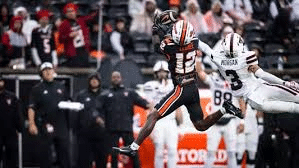

High school football has learned how to talk about concussions, at least on the surface. There are posters in locker rooms, baseline tests at the start of the season, earnest speeches at parent meetings about “when in doubt, sit them out.” On Friday nights, when a kid wobbles a little getting up, you see trainers trot out, coaches wave their hands, and referees pause to make sure everyone is all right. It feels, from the stands, like progress.
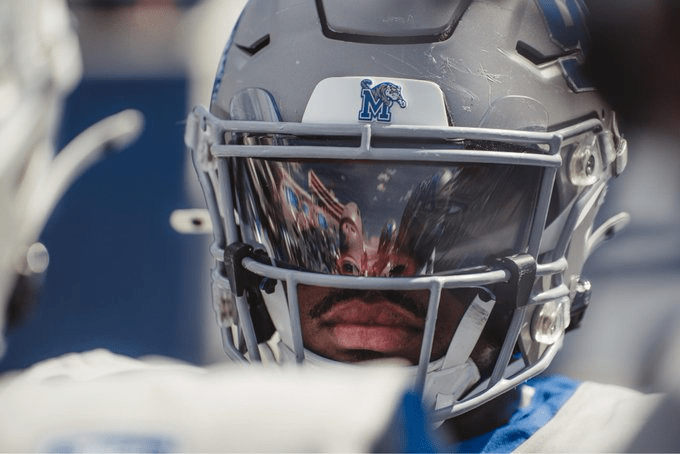
The Concussions No One Sees
The problem is, the numbers quietly say otherwise, especially in places that do not have the cameras or the budgets to make a fuss.
Studies out of North Texas and elsewhere have started to paint an ugly picture, the kind of slow-burning crisis that never leads to SportsCenter but will shape a lot of lives in ten or twenty years. In lower‑income school districts, rural and urban, concussions are underreported and underdiagnosed at a rate that should make everyone in this sport sick. Schools without full‑time athletic trainers lean on volunteer coaches and overworked nurses. Kids play through headaches and light sensitivity because they are afraid of losing their starting spot, or because they simply do not know any better. Parents who work two jobs cannot always get time off to chase follow‑up appointments. Helmets get reconditioned one year too late.
On paper, the protocols are the same. In practice, the margins are not.
It is easy to look at Sunday afternoons, see independent neurologists on NFL sidelines and blue medical tents, and think the sport has turned a corner. But down on the fields where most kids actually play, the game is still a patchwork of good intentions and thin resources. A star in a wealthy suburb takes a suspicious hit and gets pulled for tests. A two‑way lineman in a small town shakes off the same collision, blinks, and goes back in because there is no one there with the authority or the time to insist otherwise.
The uncomfortable truth is that brain safety is quietly becoming another dividing line between the haves and have‑nots in American sports. If you live in the right ZIP code, you have access to trainers, specialists, and parents who know what to look for. If you do not, you are basically trusting teenagers to diagnose their own invisible injuries. That is not a medical plan; it is a coin flip.
This story is not as glamorous as a quarterback controversy, but in twenty years, it may matter a whole lot more. If we are going to keep lining kids up under the Friday night lights, we owe them more than slogans and laminated protocols. We owe them the same level of protection, no matter what the tax base looks like around their stadium.